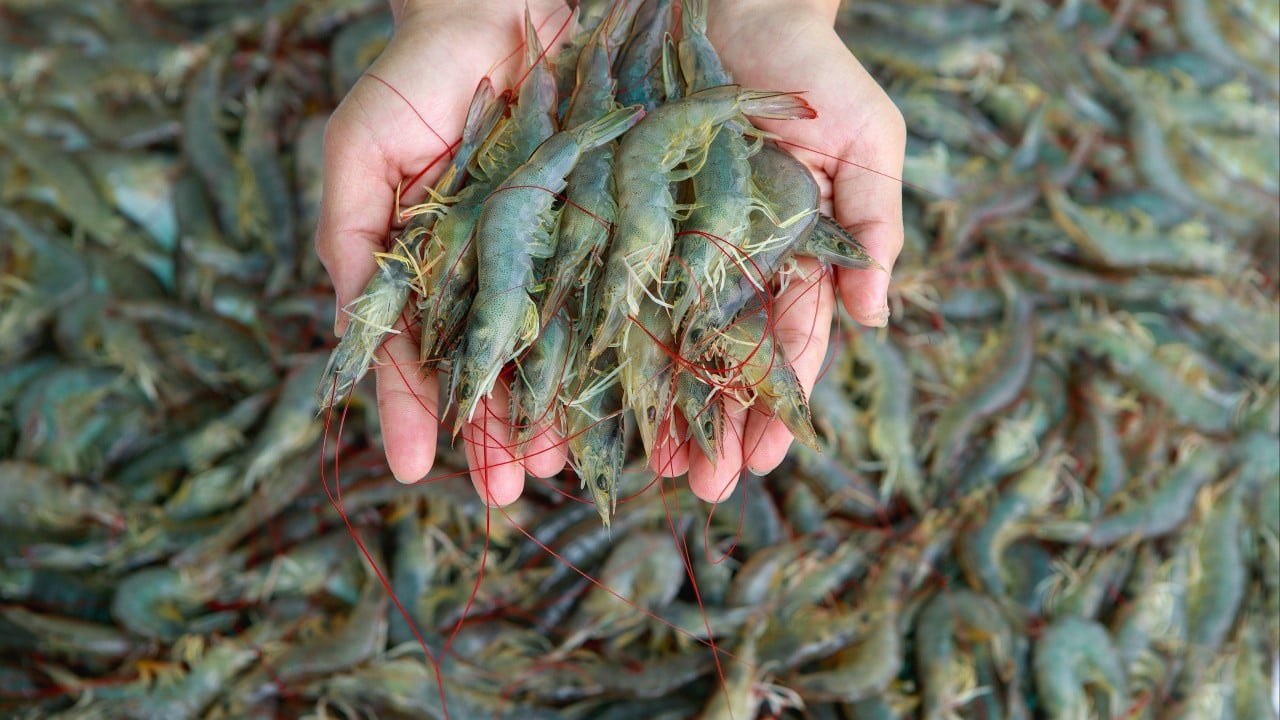
The global seafood trade is throwing a collective tantrum over Malaysia’s recent import ban on five Thai shrimp species. Industry trade rags and hand-wringing analysts are calling this the "lowest point" for Thailand's aquaculture sector, painting a bleak picture of farm-gate price crashes, a 1-billion-baht loss nightmare, and a catastrophic local supply glut.
They are entirely missing the point.
The standard narrative frames this border dispute as a devastating geopolitical sucker punch to an already fragile ecosystem. Industry bodies like the Thai Shrimp Association are begging Prime Minister Anutin Charnvirakul for emergency state interventions, domestic buy-back campaigns, and cash injections to absorb the excess volume.
This panic is not just misplaced; it is actively shielding the industry from the brutal wake-up call it desperately needs. Malaysia's ban isn’t a death sentence. It is the best thing that could have happened to Thailand’s seafood sector.
The Myth of the "Tragic" Border Lockout
Let’s dismantle the lazy math driving the current panic. Trade commentators note that Thailand moves roughly 6,000 to 8,000 metric tons of shrimp to Malaysia annually. They scream about the loss of a "critical" pillar of the export market.
Look at the broader ledger. That highly publicized, border-closing volume accounts for a mere 5% of Thailand's total shrimp exports.
I have watched commodity producers tank entire corporate portfolios by treating a minor 5% distribution hiccup as a systemic insolvency crisis. It is a classic operational trap: mistaking proximity for profitability.
Southern Thai farmers like the geographic convenience of driving truckloads of whiteleg and giant tiger prawns straight across the Sadao border into Malaysia. It bypasses central processing hubs and delivers quick cash. But convenience is a terrible foundation for an industrial strategy.
Furthermore, this ban did not happen in a vacuum of random protectionism. It is a textbook, tit-for-tat bureaucratic retaliation. Thailand’s own Department of Fisheries spent months blocking Malaysian sea bass at the border, citing residue issues and bowing to local fish farmers complaining about being undercut by cheaper imports. Malaysia simply waited until June 1 to play the exact same card, demanding exhaustive food-safety questionnaires and laboratory Certificates of Analysis.
This isn't a market collapse. It’s a regulatory mirror.
The Cost Trap of Low-Margin Volatility
The real crisis isn’t that Malaysia stopped buying. The crisis is that Thai shrimp production costs are structurally broken, and the industry has spent a decade relying on cheap, unvetted regional escape valves instead of fixing its core engineering.
Consider the baseline farm-gate economics currently being reported by distressed producers:
| Shrimp Size (Count per Kg) | Average Production Cost (THB/Kg) | Current Market Realization |
|---|---|---|
| 100 count | 119 | Below Cost (10–20% loss) |
| 80 count | 123 | Below Cost (10–20% loss) |
| 70 count | 135 | Below Cost (10–20% loss) |
The industry is demanding a government-backed campaign to artificially prop up prices by 20 baht per kilogram. This is operational madness. Subsidizing uncompetitive farm-gate prices to offset a regional trade tiff does nothing to cure the underlying pathology: high feed costs, outdated pond biosecurity, and a total vulnerability to low-margin commodity cycles.
Forcing taxpayers to bankroll a domestic shrimp-eating blitz to absorb 10,000 tons of oversupply is like putting a band-aid on an amputated limb. It keeps inefficient, high-cost, disease-prone farms on life support while delaying the inevitable pivot toward high-value processing.
The Tariffs You Are Ignoring
While the regional press obsesses over 8,000 tons of cross-border trade, the real macro-economic gold rush is being ignored.
The United States market is undergoing a massive structural shift. India, the reigning titan of cheap shrimp exports, is facing punishing US countervailing and anti-dumping duties that can exceed 60%. Meanwhile, Thai shrimp sits under a vastly more manageable 19% tariff umbrella.
The Thai Shrimp Association itself has pointed out a massive 300,000-metric-ton void left by India’s tariff hit in the West. Yet, instead of aggressively re-engineering the supply chain to capture high-margin American contracts, the sector is stuck weeping over a handful of border trucks stopped at Padang Besar.
Why hasn't Thailand seized this massive Western market share? Because it requires absolute biosecurity, ironclad food-safety verification, and a pivot away from raw, unmonitored commodity volumes toward value-added, ultra-clean aquaculture.
Malaysia’s questionnaire requirement isn’t an administrative barrier; it’s basic training for the modern global market. If Thai exporters cannot even satisfy the food-safety documentation of their immediate neighbor, they have zero chance of surviving the strict compliance auditing of major Western retail buyers.
Stop Subsidizing the Glut
The solution is not to "fix" the Malaysian trade route or beg for state bailouts to absorb the domestic glut. The strategic play is to let the low-margin, uncompetitive tier of the farming sector consolidate.
The downside to this approach is obvious and painful: small-scale, under-capitalized southern farmers who rely purely on localized border trade will go under. Localized economic pain in coastal provinces will be acute in the short term.
But the alternative is worse. Continually protecting an inefficient, fragmented supply chain ensures that the entire industry remains stuck in a permanent holding pattern—unable to cross the 300,000-metric-ton annual production mark, plagued by chronic disease cycles, and constantly vulnerable to the whims of neighboring border guards.
Instead of deploying capital to buy up excess raw shrimp, the state should redirect every single baht into three aggressive, non-negotiable structural initiatives:
- Pond Automation Subsidies: Restructure legacy, dirt-floor farming ponds into fully lined, automated intensive systems that drastically lower the per-kilogram production cost.
- Decentralized Testing Infrastructure: Place state-of-the-art laboratory testing facilities directly at regional hubs so exporters can generate Certificates of Analysis in hours, not weeks, turning compliance into a competitive speed advantage rather than a bureaucratic bottleneck.
- Value-Added Processing Incentives: Shift the export mix away from raw, frozen whole shrimp—which face cutthroat price wars from Ecuador and Vietnam—and move toward fully processed, cooked, and ready-to-eat products that command premium margins and ignore raw commodity price shocks.
Stop fighting over minor border access. Treat the Malaysian ban as the structural filter it actually is. Clean up the biosecurity data, let the inefficient operators clear out, and redirect the remaining volume to the high-tariff gaps waiting in the West.
Anything less is just buying time for an industry running out of it.