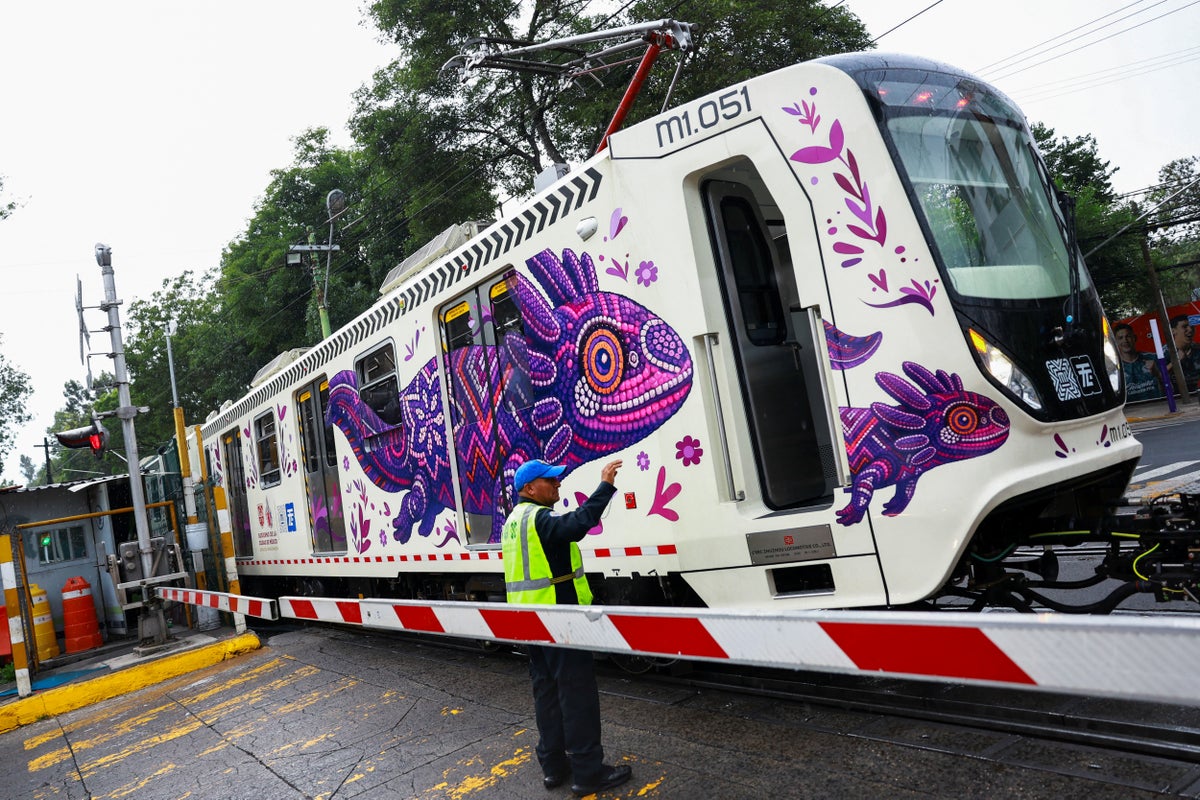
The mainstream media loves a neat, tragic story about an endangered species. When Mexico hosted a major sporting event and featured the axolotl—the famously cute, permanently larval salamander—as an unofficial mascot, the predictable backlash machine spun into gear. Well-meaning Western journalists and local activists immediately cried foul. They claimed that turning a critically endangered amphibian into a commodified cartoon trivializes its extinction crisis, invites destructive eco-tourism, and distracts from the real ecological devastation of its native habitat in Xochimilco.
This outrage is not only lazy; it is actively counterproductive.
The outraged consensus assumes that keeping the axolotl an elite, obscure scientific concern is the path to its salvation. They want pristine isolation for a habitat that hasn't been pristine since the Aztecs built chinampas. I have spent years analyzing conservation funding and the economics of ecological restoration, and I can tell you the brutal truth nobody wants to admit: the "pure" conservation model for the axolotl is dead. Capitalism and commodification are not the enemies of the axolotl. They are its only realistic lifeline.
The Myth of the Pristine Xochimilco
Let’s dismantle the premise of the entire debate. Activists argue that featuring the axolotl on soccer merchandise attracts crowds to the canals of Xochimilco, polluting the water and stressing the few remaining wild salamanders.
This argument ignores reality. Xochimilco is not a untouched wilderness being violated by sports fans. It is a heavily altered, urban agricultural drainage system trapped inside a mega-city of over 20 million people.
The wild axolotl (Ambystoma mexicanum) is functionally extinct in the wild. Decades of introduced species like tilapia and carp have devoured their eggs. Untreated sewage overflows, chemical runoff from local farms, and urban encroachment have turned the water into a toxic soup.
- The Reality Check: Biologists from the Universidad Nacional Autónoma de México (UNAM) have conducted population surveys for decades. In the late 1990s, there were roughly 6,000 axolotls per square kilometer. By the mid-2010s, that number dropped to less than 36. Today, finding a wild axolotl in Xochimilco is like finding a needle in an acidic, muddy haystack.
The narrative that "tourists in soccer jerseys are ruining the axolotl's home" is a convenient scapegoat. It allows local municipalities to blame external commercialization rather than addressing their own systemic failures in waste management and water treatment.
Nature Doesn't Pay for Itself
Here is the economic reality that traditional conservationists refuse to leverage: attention is currency.
If the axolotl remains an abstract biological curiosity hidden in the murky canals of Mexico City, it dies in darkness. Governments do not allocate massive budgets to clean up complex urban waterways out of pure altruism. They do it when there is political capital or economic pressure involved.
By turning the axolotl into a global cultural icon—yes, even through sports mascots and commercial merchandise—you create an economic incentive to keep the species alive.
The Conservation Paradox: An endangered species with a high commercial profile attracts funding, research grants, and international scrutiny. An endangered species that stays "protected" from commercialization simply slips into oblivion without anyone noticing.
Consider the giant panda. The World Wildlife Fund didn't hide the panda away; they put it on their logo. The Chinese government didn't ban panda imagery; they turned panda diplomacy and tourism into a multi-million dollar industry. That commercial value directly funded the massive nature reserves that eventually took pandas off the endangered list. The axolotl needs the same aggressive branding strategy.
The Pet Trade and Lab Paradox
The ultimate irony of the "save the wild axolotl" movement is that while Ambystoma mexicanum is dying out in its native mud, millions of them are thriving across the globe. They are everywhere—in home aquariums from Tokyo to Berlin, and in developmental biology labs worldwide due to their incredible ability to regenerate limbs and organs.
The purists argue that captive-bred axolotls don't count because they lack the genetic diversity of the wild population or have been bred for unique colors like pink (leucistic) and golden.
But let’s look at the mechanics of total extinction. If Xochimilco completely collapses tomorrow and the wild population hits absolute zero, the species still exists. The genetic blueprints remain.
Instead of fighting the commercial pet trade and international interest, conservation groups should be integrating with it. Imagine a scenario where a percentage of every legal axolotl sale worldwide, or every piece of official tournament merchandise sold, was legally mandated to funnel into a sovereign wealth fund dedicated exclusively to building closed-loop, predator-free sanctuary canals in Mexico. That is actionable conservation. Screaming at a sports franchise for printing salamander shirts achieves nothing.
Dismantling the "People Also Ask" Delusions
When people search for the axolotl crisis, they ask the wrong questions because they are fed a diet of sentimental environmentalism. Let's fix the premise of these queries with cold facts.
Can we just release captive axolotls back into the wild?
Absolutely not, and anyone suggesting this as a quick fix should be kept far away from ecological policy. Releasing captive-bred, genetically bottlenecked aquarium axolotls into the current Xochimilco canals is a death sentence. They would be eaten by invasive carp within days, or succumb to the chytrid fungus that plagues amphibians globally. You cannot restore a species by dumping it back into a microwave. The habitat must be physically altered first, which requires immense capital.
Is tourism killing the axolotl?
No. The lack of centralized, regulated tourism infrastructure is the problem. Right now, tourism in Xochimilco is chaotic—focused on party boats (trajineras) consuming alcohol. Shifting that tourism demand toward high-end, eco-educational tours that highlight traditional chinampa farming and axolotl research generates the exact revenue needed to pay local farmers (chinamperos) to stop using chemical fertilizers. The mascot backlash tries to push people away; what we need is to pull the right kind of money in.
The Hard Truth of the Matter
This contrarian approach isn't without its risks. The obvious downside to embracing the commercialization of an endangered species is the potential for black-market poaching or the promotion of irresponsible pet ownership by people who don't know how to maintain a cold-water aquarium tank. We’ve seen the "Finding Nemo effect" damage wild clownfish populations.
But we are past the point of choosing between a perfect, pristine ecosystem and a compromised commercial one. The choice is now between a compromised, heavily managed, commercially funded ecosystem and total biological erasure.
Stop romanticizing the wild state of a canal system that is currently functioning as an urban drain. The axolotl didn't spark a backlash because locals hate the animal; the controversy exists because it exposes the uncomfortable truth that the traditional methods of saving it have utterly failed.
If a soccer tournament or a cartoon mascot can mobilize international capital and pressure the local government into actually cleaning up a square mile of water, then put the axolotl on every jersey, billboard, and sneaker on the planet.
Stop crying about the sanctity of a dying wild habitat and start weaponizing the market forces that can actually build a new one.