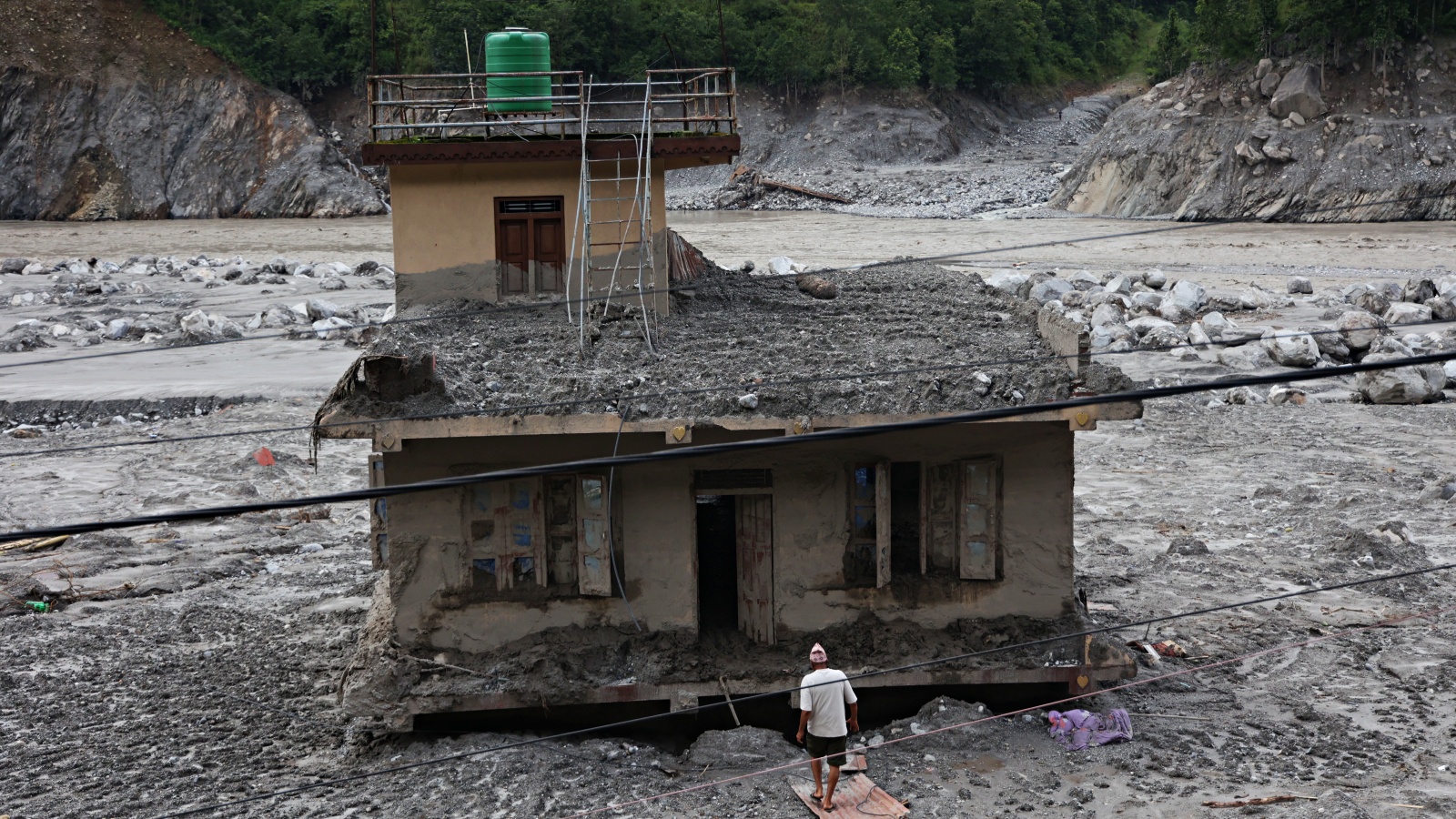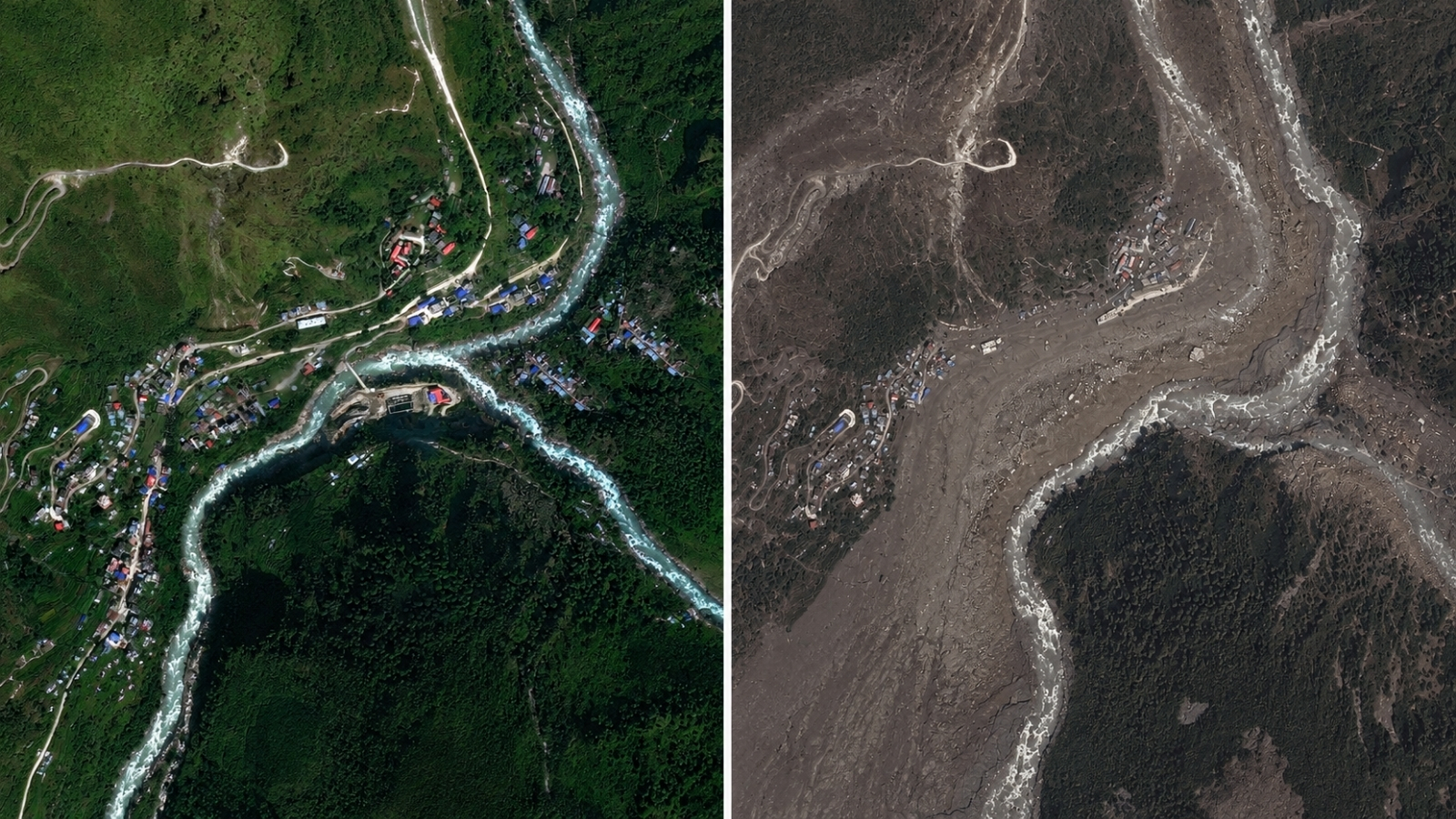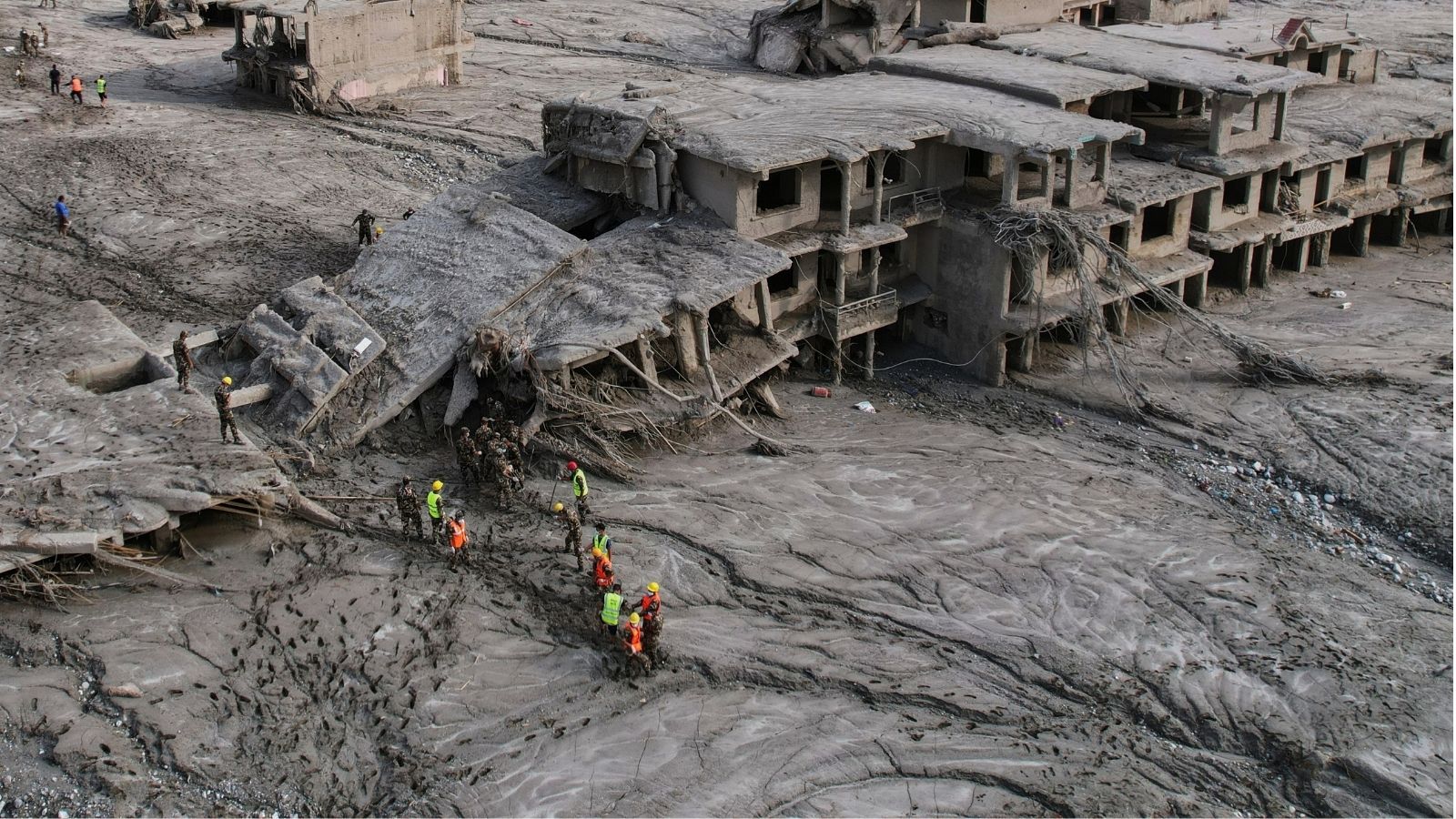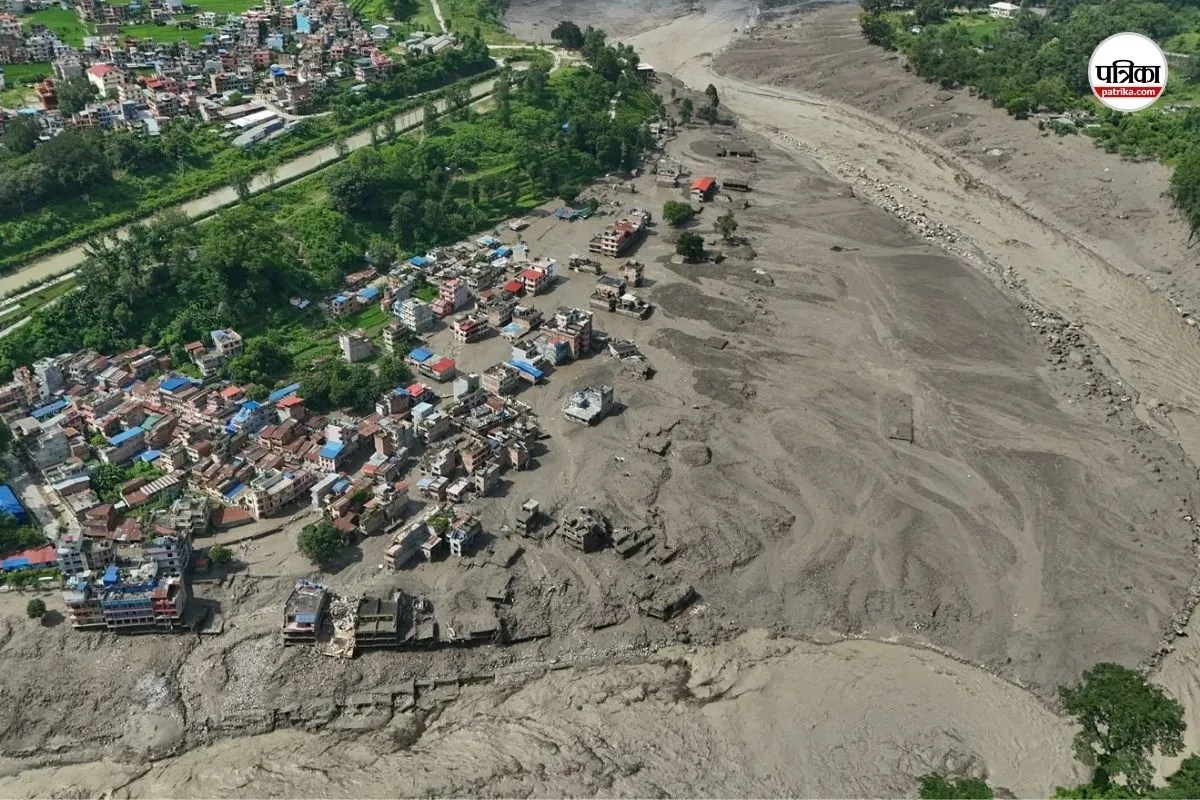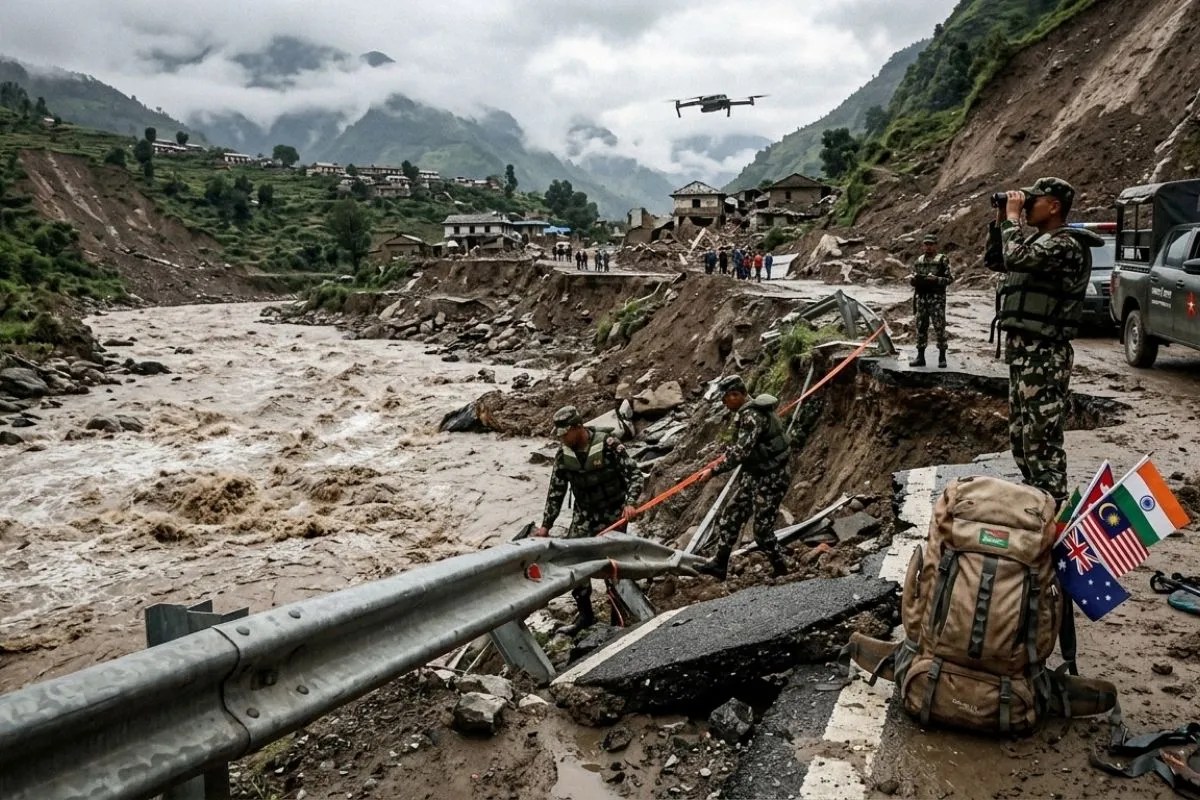
Another monsoon, another catastrophic wall of water tearing through the Bhote Koshi and Trishuli river corridors, and the media response is predictably lazy. Headlines scream about hundreds of missing tourists, flashing emergency helpline numbers, and framing the entire catastrophe as an unfortunate act of angry gods. This routine is old, tired, and dangerously dishonest. The lazy consensus treats flash floods as sudden, unpredictable bolts from the blue that nobody could foresee or prevent.
That narrative is a lie designed to protect bureaucrats, corrupt contractors, and a tourism board that refuses to acknowledge the ticking ecological time bombs lining the northern frontier.
Let us look at the mechanics of what actually happened. The trigger wasn't just heavy rain; it was a massive glacial collapse near the Tibet border, releasing debris and water flows equivalent to a mid-range seismic event. But glaciers do not simply collapse into vacuum-sealed environments. They sit above fragile, over-engineered river valleys choked with unscientific hydroelectric projects, reckless road widening, and illegal riverbed encroachments. When you strip away the natural buffers of an alpine ecosystem to lay down concrete and tunnel through mountains for short-term energy revenue, you are not developing infrastructure. You are building a high-speed water slide for a catastrophe.
Focusing exclusively on the missing headcounts—the 183 stranded Indians, the scores of Americans, Europeans, and domestic travelers—misses the forest for the drowned trees. Publishing a list of hotline numbers is what governments do when they want to look busy while shifting the burden of safety onto the victims. The real question nobody wants to ask is why thousands of tourists were permitted, let alone implicitly encouraged, to crowd into high-risk gorges during peak monsoon vulnerability without functional early-warning radar systems linked directly to trans-boundary hydrological stations.
Imagine a scenario where the tourism ministry treated safety metrics with the same ruthless efficiency as they treat tourist arrival quotas.
If you trace the logistics of how these regions operate, the failure becomes systemic. Local administrations in districts like Rasuwa and Nuwakot rely heavily on the economic dopamine hit of adventure tourism and pilgrimage traffic. Shutting down river corridors translates to immediate financial pain, so officials gamble with lives, crossing their fingers that the slope stability holds for just one more season. When the inevitable breach occurs, the apparatus pivots immediately to damage control, airlifting a fraction of stranded victims while hiding behind the comforting shield of calling it a "natural disaster."
Nature did not sweep away those bridges and tunnels; human hubris combined with unchecked commercial exploitation built right in the path of historical floodplains did. Every single hydro-project built without cumulative environmental impact assessments is a literal brick removed from the region's structural integrity.
Stop looking at the helpline numbers as a solution. Start looking at them as a symptom of a systemic refusal to redesign how human beings inhabit fragile mountain ecologies. Until the regional governments criminalize unregulated construction in high-altitude river basins and tie disaster accountability directly to administrative negligence, every monsoon will bring the exact same body count, the exact same frantic press releases, and the exact same institutional amnesia.
The water always remembers where it belongs. It is time we stopped acting surprised when it reclaims it.