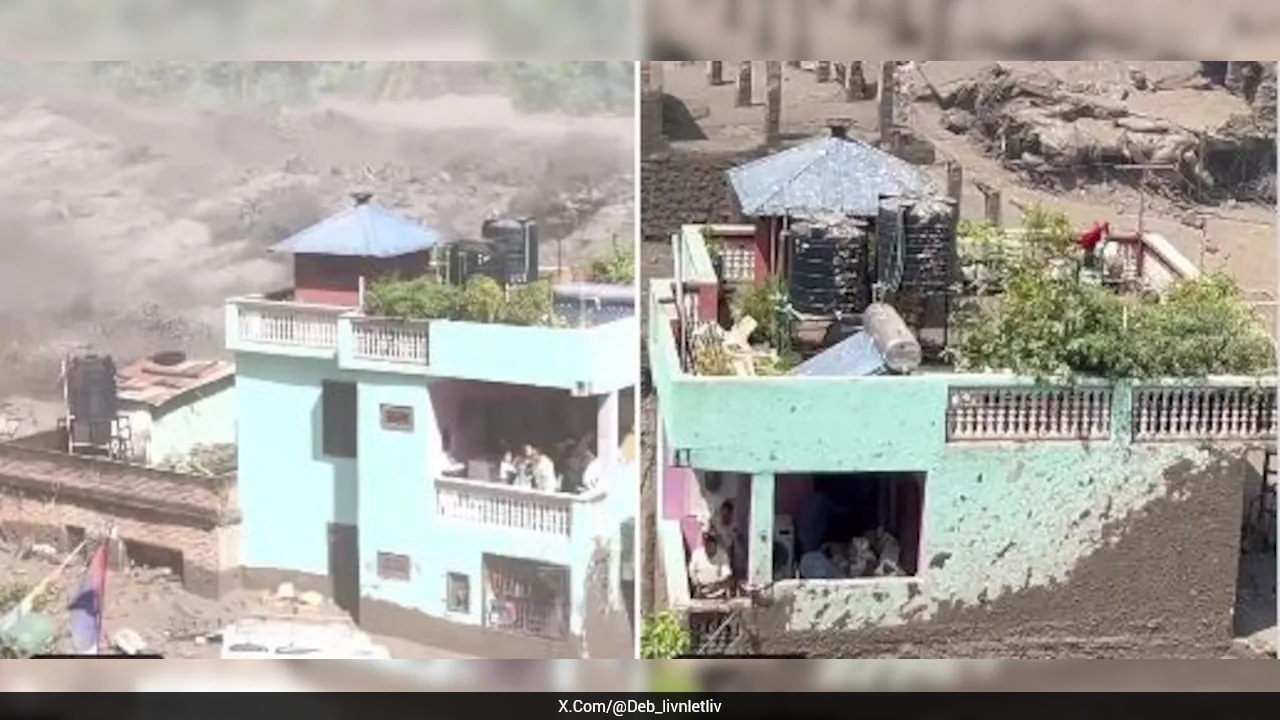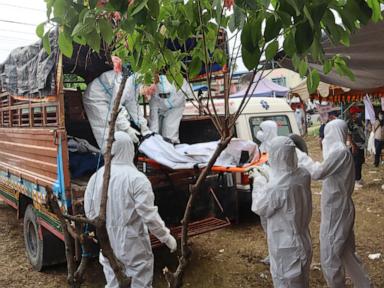
Every monsoon season, the media runs the exact same script out of the Himalayan foothills. Reporters fly in, stand knee-deep in mud, and beam footage of weeping families and mass graves back to international screens. The narrative is always identical. Climate change brings the rains, the rivers swell, infrastructure fails, and helpless citizens pay the ultimate price. Bodies are counted. Burial trenches are dug. Sympathy pours in from donors thousands of miles away.
It is a comforting, lazy loop. It allows comfortable people in Western capitals to click a donate button, feel good about themselves, and absolve themselves of systemic failures. It also completely misses the actual mechanism of destruction.
The flood is not the primary catastrophe in Nepal. The catastrophe is the multi-million dollar humanitarian apparatus that descends on these districts the moment the water recedes, locking communities into permanent dependency under the guise of relief.
I have watched logistics pipelines grind local economies into dust while well-meaning NGOs pat themselves on the back for distributing imported rice. When you drop shipping containers of foreign grain into a flood-hit district, you do not save lives. You bankrupt the local farmers who survived the storm by making their crops worthless.
Let us look at the structural mechanics of disaster capitalism in South Asia.
The False Economy of Emergency Aid
The standard humanitarian response relies on immediate, non-conditional physical supplies. Tarps, chlorine tablets, canned goods, and bottled water. On paper, this is noble. On the ground, it destroys the local merchant ecosystem.
When a district gets flooded, local supply chains take a hit, but they do not evaporate. Small-scale traders usually have reserves on higher ground. They are positioned to restock and re-establish commerce within days. But when international relief agencies flood the zone with free inventory, they crush local pricing power.
- Traders cannot compete with zero-dollar handouts.
- Debts taken out for seasonal crop planting go unpaid because local commerce freezes.
- Communities transition rapidly from temporary flood victims to permanent aid dependents.
We do not have a lack of empathy problem in Nepal. We have an excess of institutional incompetence masked as philanthropy. The money spent chartering helicopters to drop instant noodles into accessible valleys could fund decentralized micro-dams, reinforced terracing, and cash-transfer networks that let survivors buy what they actually need from their own neighbors.
Why the Body Count Narrative Serves the Bureaucrats
Focusing strictly on the casualties serves a very specific administrative function. A burial trench is quantifiable. It makes for stark photography. It triggers emergency funding triggers in Geneva and Washington.
If international organizations started talking about soil mechanics, watershed management, and corrupt local zoning boards, nobody would click the link. They certainly would not wire cash.
The political class in Kathmandu loves the flood season for the exact same reason. Every washed-out bridge and collapsed riverbank unlocks discretionary emergency funds that bypass standard bureaucratic accountability. Disaster relief in Nepal is a massive slush fund disguised as mercy.
Imagine a scenario where every foreign aid dollar earmarked for post-flood blankets was legally required to be spent on upstream afforestation and local civil engineering contracts awarded exclusively to regional cooperatives. The disaster tourism industry would collapse overnight.
The Uncomfortable Truth About Resilient Reconstruction
Everyone wants to rebuild after a disaster. Nobody wants to admit that some places should never have been built on in the first place.
Population pressure and poorly planned road expansion have destabilized the Himalayan terrain. Every time a bulldozer carves out a new hillside road without proper drainage, it creates an artificial slurry pipeline waiting for the monsoon. The rain does not cause the landslide; the unengineered road cut causes it.
Yet, when the village washes away, we rebuild it in the exact same footprint. We pour concrete into the mud, hand out new tin roofs, and wait for next year's rain to repeat the cycle. This is not disaster management. This is ritualized insanity.
If you want to stop writing obituaries for districts in Nepal, you have to stop funding the funeral and start prosecuting the planners. You have to cut off the aid tap that subsidizes dangerous settlement patterns. You have to let local markets function, even when it looks messy.
Stop asking how many people died. Ask why we keep paying to put them back in the exact same path of destruction.