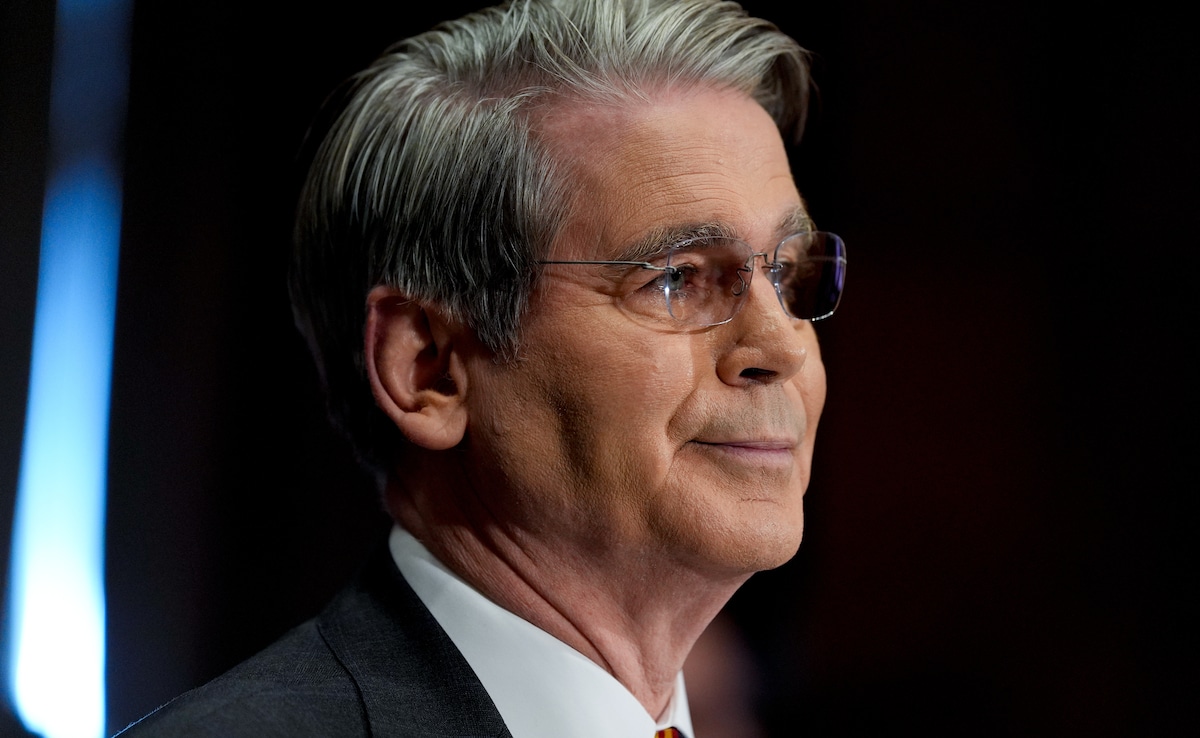
The Treasury Department just dropped its latest "Economic Fury" package on Iran’s oil sector, and the beltway is humming with the usual self-congratulatory noise. Scott Bessent is talking about "decisively limiting revenue" and targeting the Shamkhani network like it’s a surgical strike. The mainstream consensus is lazy, predictable, and dangerously wrong: they think more sanctions equals more leverage.
I’ve spent fifteen years watching the plumbing of global energy markets. I’ve seen "maximum pressure" campaigns turn into "maximum profit" opportunities for the very people they are meant to starve. These new sanctions aren't a chokehold; they are a massive subsidy for the shadow fleet and a direct tax on the American consumer.
The Myth of the "Decisive" Blow
The competitor's narrative suggests that by blacklisting twenty ships and a few consulting firms in the UAE, we’ve finally found the silver bullet. This is a fundamental misunderstanding of how the "Ghost Fleet" operates.
When you sanction a vessel like those in the Shamkhani network, you don't sink it. You just lower its price. Iranian Light doesn't disappear; it just gets a "sanctions discount"—often $10 to $15 below Brent. Who captures that spread? Not the Iranian people, and certainly not the US Treasury. It’s captured by independent "teapot" refineries in Shandong and the very middlemen the Treasury just put on a list.
By increasing the risk, the US is inadvertently increasing the margins for illicit shippers. We aren't stopping the oil; we are just making the black market more sophisticated.
The Hormuz Chokehold is a Policy Failure
Washington is touting these sanctions while the Strait of Hormuz is effectively closed. Think about the logic there. We are trying to "starve" a regime of oil revenue at the exact moment that same regime has successfully removed 20% of the world’s seaborne supply from the board.
The IEA is calling this the "largest supply disruption in history." Brent is screaming toward $120. In this environment, Iran doesn't need to volume-out. If they sell half as much oil at double the price, the math favors the Mullahs, not the White House.
The Hard Truth: Sanctions are a tool of stability. Using them during an active naval blockade and a shooting war is like trying to put out a forest fire with a squirt gun filled with gasoline.
The Death of the Waiver is a Global Middle Finger
The decision to not renew the 30-day waivers for India and other partners is being framed as "strength." In reality, it’s a diplomatic arson.
India’s IOC Paradip refinery was one of the few transparent outlets for this crude. By forcing these transactions into the shadows, the US is:
- Accelerating De-dollarization: When we tell India they can't use the SWIFT system to buy necessary energy, they don't stop buying energy. They start building non-dollar payment rails with Moscow and Tehran.
- Subsidizing China: China is currently the "buyer of last resort" for 90% of Iranian exports. By removing India from the legal market, we’ve given Beijing total monopsony power over Iranian crude. We are literally handing our greatest strategic rival a discounted energy advantage.
Why "Economic Fury" is a Paper Tiger
The Treasury likes to use terms like "Economic Fury" because it sounds kinetic. It’s not. It’s administrative.
I’ve sat in rooms with commodity traders who view OFAC listings as a checklist for "rebranding." You sanction a ship? It gets a new IMO number, a new flag (usually Cook Islands or Gabon), and a new shell owner in a week. The "transportation infrastructure" the US claims to be dismantling is actually a hydra. For every head you cut off, three more "consulting" firms in Dubai spring up to manage the paperwork.
The Real Cost to You
The consensus ignores the domestic "splash damage." Every time the Treasury tightens the screws during a supply crunch, they are effectively raising the price at the pump in Ohio and Florida.
Imagine a scenario where the US successfully removed every drop of Iranian oil today. With the Strait of Hormuz closed and Saudi production already lagging by 3 million barrels per day, the global deficit would hit a breaking point. We are flirting with $150 oil while pretending we are "winning" an economic war.
Stop Asking if Sanctions Work
The question isn't "Are we hurting Iran?" The question is "Are we hurting ourselves more?"
The clerical regime in Tehran has survived forty years of sanctions. Their "Economic Fury" is internalized. They’ve built a "Resistance Economy" that thrives on the very opacity these sanctions create. Meanwhile, the US is burning its diplomatic capital and its own economy's fuel to maintain a policy that has a 0% track record of regime change.
If we actually wanted to "decisively limit revenue," we wouldn't be playing whack-a-mole with tankers. We would be flooding the market with domestic supply and lowering the global price until the "sanctions discount" makes Iranian oil unprofitable to smuggle. Instead, we are doing the opposite: tightening supply, driving up prices, and making the smugglers rich.
The current policy is a performance. It’s theater for a domestic audience that wants to see "toughness," while the actual energy reality is a slow-motion train wreck.
Stop falling for the Treasury press releases. The "Fury" isn't being felt in Tehran; it's being felt at your local gas station.