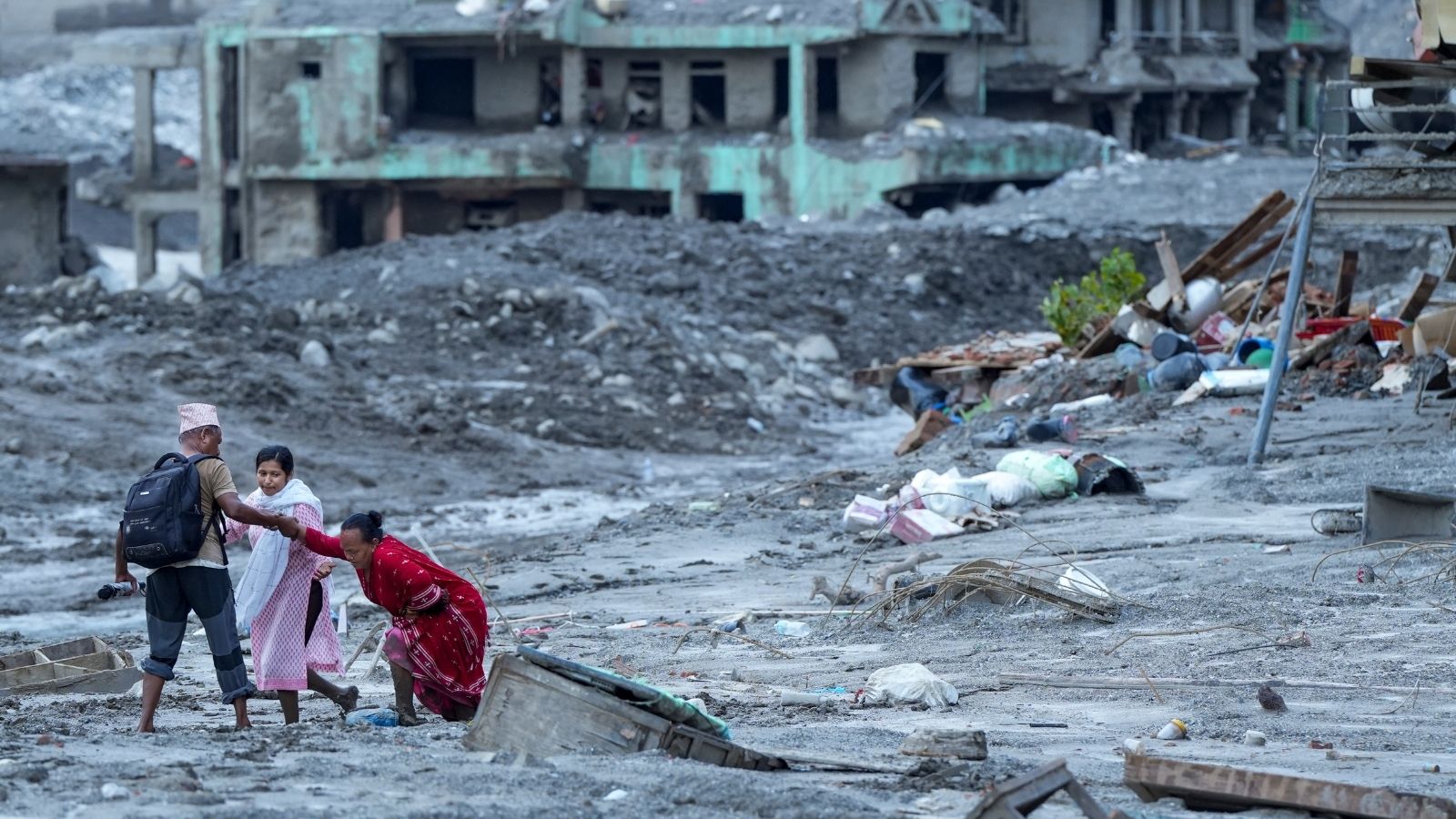
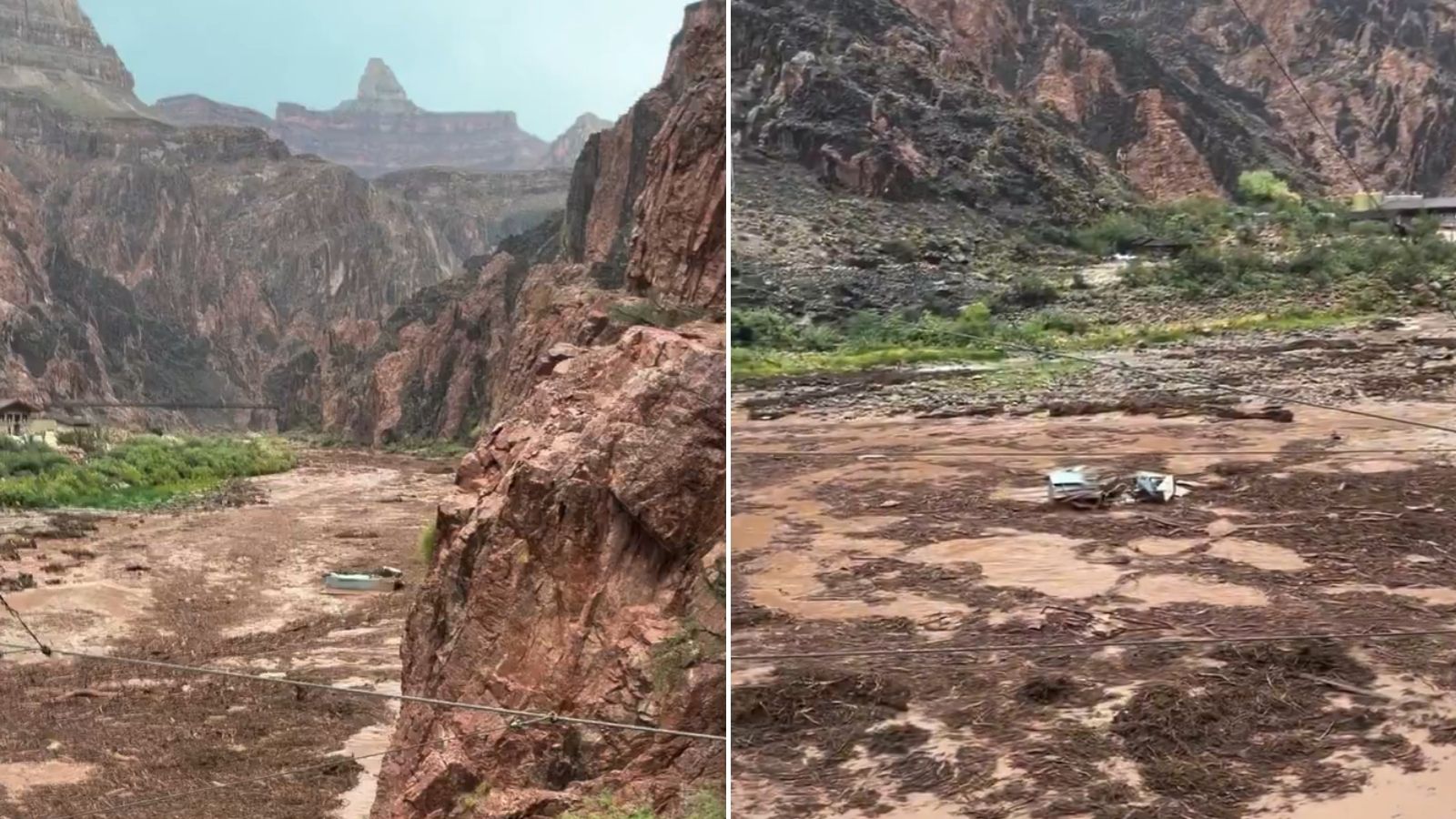
Every time water breaches an embankment in the Himalayas, the media reaches for the same lazy script. Headlines scream about biblical deluges, freak meteorological anomalies, and angry gods punishing the roof of the world. The death toll crosses nine hundred, the international community dispatches token aid packages, and armchair pundits weep over shifting climate patterns.
It is a convenient narrative. It absolves every bureaucrat who signed off on a structurally bankrupt highway expansion, every municipal planner who permitted concrete construction directly into active floodplains, and every transboundary hydro-politics official who prioritized political posturing over real-time hydrological data sharing.
Nature did not cause a nine-hundred-plus death toll in the Nepal-Tibet corridor. Human engineering arrogance, bureaucratic inertia, and a fundamental misunderstanding of high-altitude fluvial mechanics did.
The Infrastructure Mirage
Look at the arterial roads hugging the trans-Himalayan river valleys. They are monuments to civil engineering hubris. Contractors blast through fragile, geologically young mountain slopes to carve out narrow trade corridors, dumping millions of tons of loose debris directly into the gorges below.
When seasonal monsoon moisture hits these unstable slopes, that loose rock and soil transforms into slurry. It chokes river channels, creating temporary landslide dams. When those natural dams inevitably burst under hydrostatic pressure, the resulting wall of water and debris does not flow; it hyper-accelerates.
Standard disaster coverage focuses on the rain volume. That is the wrong metric entirely. You can have half the rainfall and triple the casualties if the baseline geography has been compromised by unregulated excavation.
The Data Black Hole
Upstream management requires shared intelligence. Yet, the river systems originating in the Tibetan Autonomous Region and flowing down through Nepal operate inside an informational vacuum. Hydro-meteorological data sharing between regional neighbors is held hostage by geopolitical friction.
When glacial lakes swell or heavy precipitation events trigger upstream alerts, downstream communities in Nepal receive virtually zero advanced warning. By the time sensors register a catastrophic rise in water levels, the flood wave has already traversed the narrow gorges and slammed into populated settlements.
Blaming the tragedy on an unprecedented storm ignores the fact that warning systems were technologically obsolete before the first drop fell. We do not lack the technology to monitor glacial lake outburst floods or sudden river swells. We lack the diplomatic will to integrate warning networks across borders where trust is low and state paranoia runs high.
The Urban Death Trap
Walk through the expansion zones of rapidly growing towns along these river corridors. You will see concrete multi-story buildings sprouting directly on gravel bars and historic flood channels.
Local zoning laws, where they exist, are routinely bypassed through political patronage or outright corruption. When real estate development treats a seasonal riverbed as prime commercial acreage, every flood becomes an engineered catastrophe.
Imagine a scenario where municipal authorities faced mandatory criminal liability for permitting residential construction within known high-risk inundation zones. The building boom would halt overnight. Instead, cities build first, scramble for rescue boats second, and point fingers at the clouds third.
What Actually Needs to Change
Fixing this crisis requires discarding the disaster relief playbook entirely. Stop treating these events as unavoidable acts of God.
- Ban Unregulated Side-Casting: Highway construction in fragile Himalayan terrain must outlaw dumping spoil material down mountain slopes into river channels. Haul it out or face asset forfeiture.
- De-Weaponize Hydrological Data: Real-time water flow and precipitation data must be treated as a humanitarian baseline, entirely decoupled from broader diplomatic disputes between regional powers.
- Enforce Managed Retreat: Stop rebuilding destroyed infrastructure in the exact same hazardous riverbeds. Relocate populations upward and away from dynamic alluvial fans.
Until we stop hiding behind the excuse of extreme weather, the death toll will continue to climb, and every subsequent flood will expose the same systemic failures wrapped in a fresh coat of corporate and governmental excuses.