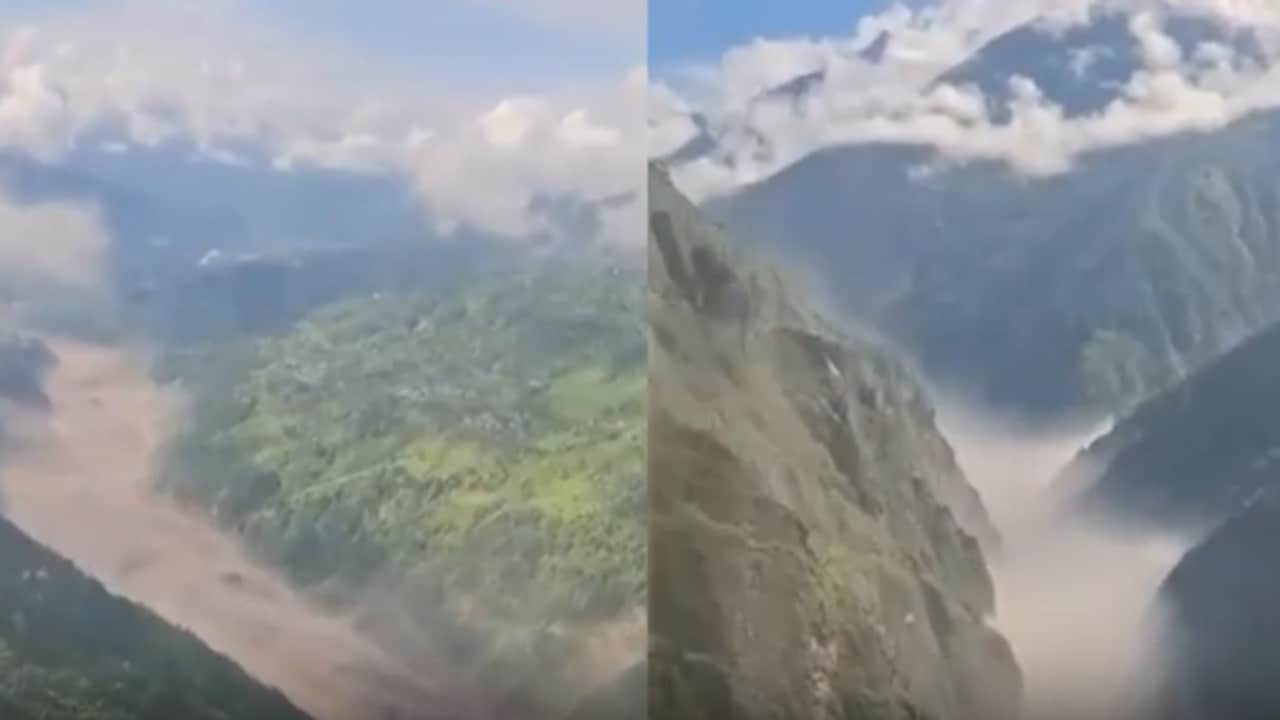
Every monsoon season, the media reaches for the same lazy playbook. Drones buzz over swollen river valleys in South Asia, sweeping down to capture cinematic frames of chocolate-brown torrents swallowing concrete buildings, roads snapping like dry twigs, and entire villages reduced to silt-choked islands. The narrative is always identical. Mother Nature is angry. An unprecedented act of God has struck. The weather became too extreme.
It is a comforting lie for bureaucrats and urban planners. If a catastrophe is natural, nobody is to blame. Insurance claims get filed, disaster relief funds get mobilized, and the cycle resets until the next cloudburst repeats the performance. For a deeper dive into similar topics, we suggest: this related article.
I have walked through these fresh flood zones days after the cameras packed up. I have stood knee-deep in the grey muck of Kathmandu’s outskirts and the banks of Himalayan tributaries, smelling the rot of uncollected waste and diesel spills. The drone footage tells you nothing about why that house collapsed. It only shows you that it did.
The entire framing of these aerial disaster broadcasts relies on a fundamental misconception. We treat river overflow as a hydrological anomaly when it is actually an engineering receipt. We are not watching the climate strike back. We are watching the bill come due for decades of institutional negligence, systemic corruption, and willful ignorance disguised as economic progress. For broader background on this topic, extensive coverage can be read on The Guardian.
The Geography of Manufactured Ruin
Look closely at those high-altitude video clips. Ignore the dramatic music and the breathless anchor voiceovers for a moment. Examine the physical layout of the disaster.
What you are looking at is almost never a river overflowing its natural boundaries. You are looking at a river being forced to fight its way through a chokehold we built for it.
Decades ago, floodplain management meant respecting the water. Civilizations grew around rivers because of the fertile silt and trade routes, but they understood a basic geographic law: water remembers where it used to go. When heavy monsoons drop hundreds of millimeters of rain in a 24-hour window, that water has to move. It obeys gravity, not zoning laws.
Modern municipal development threw that rulebook into the bin. Local governments sell permits to build directly on active gravel beds and seasonal floodplains. Developers channelize natural meandering streams into narrow, concrete-lined drainage ditches that accelerate water velocity instead of absorbing it. Then, when the volume exceeds the artificial capacity of a poorly poured concrete box, the system fails catastrophically.
The aerial visuals from Nepal and across the broader Himalayan belt showcase a staggering scale of destruction, yes. But scale is not the same thing as surprise. When you pave over natural absorption basins, narrow river corridors with unauthorized encroachment, and dump construction debris directly into active channels, you have not built a city. You have built a hydraulic guillotine waiting for the right storm to pull the cord.
The Myth of the Unprecedented Event
Every time a disaster hits this magnitude, officials rush to use a specific vocabulary. Words like unprecedented, anomalous, and once-in-a-century get tossed around to shield incompetence behind statistics.
Let us look at the data without the political spin. Meteorological departments track rainfall anomalies with precision. While total precipitation records occasionally break, the primary driver of catastrophic loss is not the rain volume alone. It is the amplification of vulnerability.
Imagine a scenario where a river basin receives the exact same amount of monsoon rainfall in 2026 as it did in 1986. In 1986, the water spread across sprawling terraced agriculture, permeable wetlands, and sparse rural settlements that absorbed the shock. By 2026, those same wetlands are paved over with asphalt strip malls, high-density apartment blocks with zero setback requirements, and illegal riverside dumpsites that narrow the river's cross-sectional area by forty percent.
The rainfall is comparable. The destruction is multiplied tenfold. Yet the headlines focus exclusively on the clouds.
This is where the lazy consensus of mainstream journalism fails the public. By framing the crisis as a meteorological emergency, they let municipal zoning boards off the hook. They let corrupt contractors who cut rebar percentages in public infrastructure projects walk free. They transform systemic human failure into an act of celestial theatre.
Why Aerial Voyeurism Replaces Accountability
Drones and satellite imagery have democratized crisis observation, but they have also sanitized it.
When you watch a high-definition panning shot of a mudslide tearing through a mountain highway, you are consuming trauma as spectator sport. It triggers a visceral reaction of pity, maybe a quick donation to a relief fund, and then you swipe to the next video.
Meanwhile, the people who signed off on building permits for homes perched on unstable alluvial fans are sitting in air-conditioned municipal offices miles away, watching the same footage and drafting press releases about climate resilience.
Resilience has become the favorite corporate and governmental buzzword of the decade. Everyone wants to talk about building back better, climate adaptation funds, and green transitions. But true resilience is boring. It does not look good in a 15-second TikTok reel.
Resilience looks like a city planner telling a real estate developer that they cannot build a luxury housing colony on a known debris flow chute. Resilience looks like tearing down illegal concrete walls that choke riverbanks, even when the owners are politically connected. Resilience looks like spending millions on unglamorous, underground drainage maintenance instead of ribbon-cutting ceremonies for poorly planned vanity bridges that wash out in their first operational year.
None of those actions make for good television. None of them allow politicians to stand on a helicopter skid wearing high-visibility vests looking heroic against a backdrop of ruined landscape.
The Uncomfortable Solution
If we want to stop writing these exact same articles every single monsoon, we have to abandon the language of helplessness.
We need to stop asking how we can better prepare for natural disasters and start asking why we keep legalizing unnatural ones.
Enforcement is the missing link in modern environmental management. The laws on paper are usually comprehensive. Most countries with active monsoon vulnerabilities have zoning acts, environmental protection guidelines, and riverbed conservation rules. They are simply ignored. Bribery greases the wheels of local construction. Political patronage protects illegal settlements in high-risk zones until the mud moves and buries the evidence.
Until local governments face severe legal and financial liabilities for permitting construction in high-risk hydrological zones, the drones will keep flying, the rivers will keep taking it all, and the rest of us will keep pretending we had no way of knowing it was coming.
The water is not malicious. It is just doing what physics demands. It is time our urban planning started doing the same.


