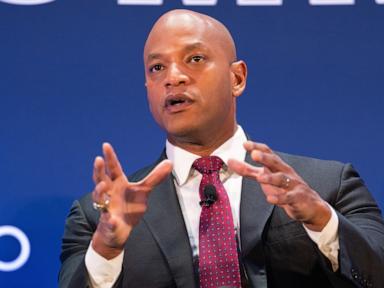
Congress can’t agree on basic legislation, so state leaders are building their own safety nets. When Maryland Governor Wes Moore announced a bipartisan coalition of governors to tackle artificial intelligence oversight, he wasn't just launching another talking-shop committee. He was putting a flashing warning sign on federal paralysis.
Artificial intelligence is moving faster than any regulatory body in Washington can process. Tech giants deploy massive machine learning models and data centers while federal lawmakers get bogged down in partisan gridlock and endless hearings. If you've been watching Capitol Hill, you know the routine. Lots of pointing fingers, zero binding rules. Building on this topic, you can find more in: Inside the Great AI Wall: Why Anthropic Finally Shut the Door on Hong Kong VPNs.
State executives look at this vacuum and see real threats to local infrastructure, consumer privacy, and electrical grids. Moore's move highlights a growing frustration among state leaders who refuse to let Silicon Valley write its own rulebook.
The Cost of Congressional Gridlock
Washington loves a good committee meeting, but committees don't stop algorithmic bias or secure power grids. While federal lawmakers debate high-level existential risks, state governments deal with immediate, ground-level impacts. Observers at The Verge have also weighed in on this trend.
Data centers are pulling record amounts of electricity. AI-generated deepfakes target local elections. School systems grapple with unvetted classroom tools.
Maryland's push provides a clear example of state-level maneuvering. Moore signed executive orders establishing strict principles for massive data center developments, demanding local community input, environmental protections, and safeguards against surging utility rates for everyday residents. When federal watchdogs look the other way, local ratepayers end up footing the bill for tech expansion. Governors from both parties realize that waiting for Congress means waiting forever.
Why Bipartisan State Coalitions Actually Matter
State-level alliances bypass federal stalemate by focusing on pragmatic, localized defense. Red and blue states share common operational headaches. Massive energy demands strain local utilities regardless of who holds the governor's mansion.
This bipartisan alignment changes the political math. Tech lobbyists can't easily dismiss state rules as partisan posturing when governors across party lines demand transparency and accountability.
Moore pointed out that early executive actions age out fast in a market changing every few months. What looked like a solid governance framework a year ago is already outdated. State coalitions create a unified front, allowing local leaders to share legislative templates, pool legal resources, and hold corporations accountable without waiting for a polarized Congress to wake up.
What This Means for Tech Companies and Citizens
If you build AI tools or invest in tech infrastructure, the era of unbridled wild-west expansion is hitting a wall at state borders. Companies can no longer rely on a friendly federal silence to shield them from oversight.
Compliance officers now have to track a fragmented patchwork of state regulations. Maryland's focus on high-risk bias testing, human oversight, and data center energy consumption sets a high bar. Other states are drafting similar playbooks.
For the average citizen, this grassroots regulatory push offers a bit of breathing room. You shouldn't have to wait for a regional grid failure or an unmitigated consumer disaster before your government steps in. State leaders are stepping up because they live closer to the people footing the bill. The real test is whether these state-level patches can hold until Washington finally gets its act together.