The Illusion of Offensive Brilliance
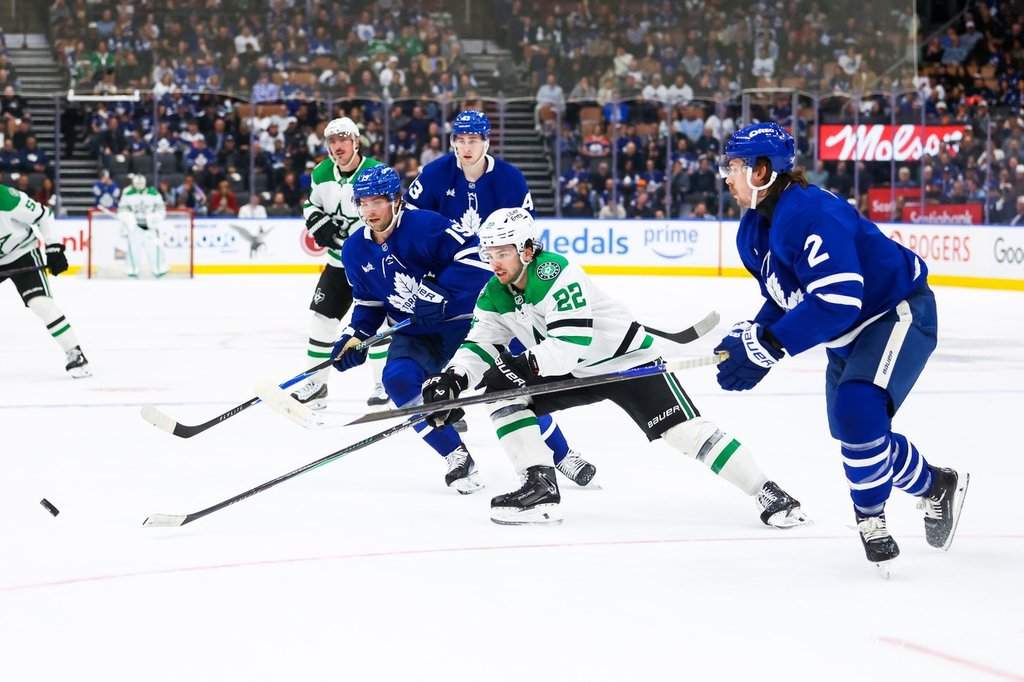
Dallas beat Toronto 6-5. The headlines scream about Mavrik Bourque’s arrival and the "thrilling" nature of a high-scoring barnburner. They are lying to you. What happened on the ice wasn't a showcase of elite skill or a new era of Stars dominance. It was a chaotic, structural failure that should terrify any coach with championship aspirations.
Most analysts look at an 11-goal game and see entertainment. I see two teams playing "hope hockey." When a game devolves into a 6-5 track meet, it usually means the defensive systems have completely disintegrated, or the goaltending was sub-professional. In this case, it was a toxic cocktail of both.
Bourque’s performance is being heralded as a torch-passing moment. Let’s get real. Scoring in a game where the neutral zone has the structural integrity of wet tissue paper doesn't prove you're the next franchise cornerstone. It proves you can capitalize on a mess.
Why the Stars Should Be Worried
Winning a high-scoring game feels good in the locker room, but it’s a trap. It reinforces bad habits. The Stars allowed five goals to a Maple Leafs team that, while talented, has a documented history of disappearing when the space on the ice actually tightens up.
If you are giving up five goals in April, you aren't a contender. You're a liability.
The Myth of the "High-Octane" Identity
Teams often fall in love with their own ability to outscore their problems. We saw this with the 1980s Oilers, sure, but the modern NHL is built on suffocating transition play and high-danger chance suppression.
- The Problem: Dallas traded defensive positioning for rush chances.
- The Reality: In the playoffs, those rush chances evaporate.
- The Result: If the Stars think they can "out-talent" elite defensive units like Florida or Vegas in a 6-5 shootout, they will be golfing by mid-May.
I have watched franchises sink millions into offensive "firepower" only to watch it get neutralized by a 1-3-1 neutral zone trap. This 6-5 win over Toronto is a siren song. It’s an invitation to ignore the fact that the Stars' defensive rotations were slow, their gap control was non-existent, and their reliance on individual brilliance over systemic execution was glaring.
Toronto’s Perpetual Identity Crisis
The Maple Leafs losing 6-5 is the most Maple Leafs thing possible. It’s a recurring nightmare disguised as a hockey game. They have the skill to put five past anyone, but they have the defensive IQ of a recreational league team when the pressure mounts.
The "People Also Ask" crowd wants to know: Are the Leafs' defensive struggles overblown? No. They are understated.
The issue isn't just the personnel; it’s the philosophy. When you pay four forwards the vast majority of your cap space, you are betting that you can score your way out of every hole. This game proved—again—that even when the offense clicks, the structural foundation is built on sand.
The Goaltending Collapse
We need to address the elephant in the crease. You cannot win a Cup with a .820 save percentage on any given night. The league average for high-danger save percentage (HDSV%) has been sliding, but the performance in this game was an affront to the position.
Modern goaltending is about "expected goals against" ($xGA$). When a team allows six goals on a lower $xGA$, it signals a lack of mental fortitude in the blue paint. It wasn’t that the Stars were throwing impossible shots; it’s that the Toronto netminder was playing a guessing game instead of a positional one.
The Bourque Hype Train Needs a Brake Check
Mavrik Bourque is a talent. Nobody is denying that. But the rush to crown him after a chaotic 6-5 win is peak reactionary journalism.
In a structured game—the kind where the score is 2-1 and every puck battle feels like a war—Bourque hasn't yet proven he can survive the physical toll. It is easy to look like a superstar when the game is played at 80% intensity because neither team wants to play defense.
What You Didn’t See on the Highlight Reel
- Missed assignments on the backcheck.
- Lazy line changes that led to odd-man rushes.
- The Stars’ inability to clear the front of the net.
These are the "battle scars" of a scout. You don't look at the goal; you look at what happened thirty seconds before the goal. You look at the defenseman who got caught cheating for an offensive breakout. You look at the winger who stopped moving his feet at the red line. This game was littered with those mistakes.
Stop Asking if the Game was "Great"
The wrong question is being asked. Everyone wants to know if this was the "game of the year."
The right question is: Which of these teams is more broken?
A 6-5 scoreline is an indictment of the modern "offensive-first" mindset that ignores the grueling reality of playoff hockey. If you enjoyed this game, you enjoy spectacle, not the sport. You enjoy the car crash, not the driving.
The Stars won, but they showed their hand. They showed they can be rattled. They showed that if you push them into a high-event game, they will abandon their defensive principles to chase the scoreboard.
The Math of a Failed Strategy
Let's look at the shot quality metrics.
$$Total Goals = (High Danger Chances \times Conversion Rate) + (Point Shots \times Luck)$$
In this game, the "Luck" variable was off the charts. Deflected pucks, weird bounces off the boards, and goaltenders losing sight of the play. Relying on these variables is a recipe for a first-round exit.
Winning coaches don't want "thrilling" games. They want boring games. They want 3-1 wins where the opponent doesn't get a single shot from the slot in the third period. Dallas and Toronto both failed that test miserably.
The Actionable Truth
If you’re a Stars fan, don't celebrate the six goals. Demand better than the five against.
The "lazy consensus" says Dallas is a deep, dangerous team because they have scoring throughout the lineup. The nuanced truth is that their depth is being used to mask a defensive core that is one injury away from a total collapse. They are playing a dangerous game of chicken with the standings.
Toronto, meanwhile, continues to prove that they are the NHL’s most expensive glass cannon. Beautiful to look at, but shatters the moment someone hits them back.
If these two teams meet again with these same habits, the winner won't be the one with the most talent. It will be the one that realizes first that 6-5 isn't hockey—it’s a fire drill.
Fix the gaps. Shorten the shifts. Stop chasing the highlight reel.
The celebration of this game is proof that we have prioritized "content" over the actual mechanics of winning. You don't win trophies by being the lead story on a highlight show. You win by being the team no one wants to watch because you've sucked the life out of the building.
Dallas didn't "power over" the Leafs. They survived them. There is a massive difference.
Go back and watch the tape. Ignore the puck. Watch the players away from it. You’ll see exactly why neither of these teams is ready for a deep run. The score says 6-5, but the tape says "unprepared."
Stop falling for the scoreboard.