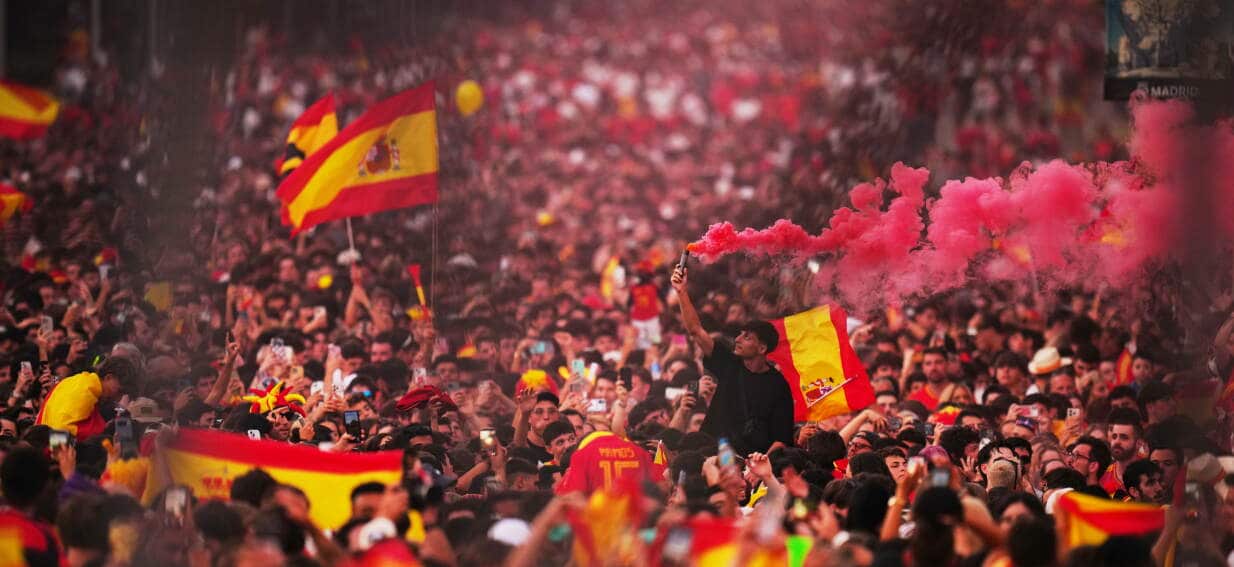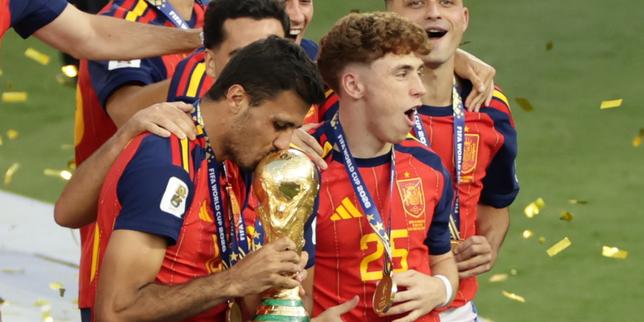
Spain is back on top of international soccer. Sixteen years after Andres Iniesta's extra-time heroics in Johannesburg, La Roja secured their second star on July 19, 2026, at MetLife Stadium. They shut down Argentina 1-0 in extra time.
If you just look at the box score, you'd think this was a tight, back-and-forth thriller. It wasn't. Spain completely dictated the terms of engagement for 120 minutes. For a deeper dive into this area, we suggest: this related article.
Here is what really happened on the pitch in New Jersey, why Argentina couldn't keep up, and how Luis de la Fuente's squad pulled off one of the most dominant World Cup runs in history.
The Decisive Moment in Extra Time
Most finals are won on tiny details. After 90 scoreless minutes where Emiliano "Dibu" Martinez turned away attack after attack, Spain's relentless pressure finally broke the dam in the 106th minute. For additional context on this topic, comprehensive reporting can also be found on Bleacher Report.
It came down to bench depth. De la Fuente brought on Ferran Torres in the 61st minute to refresh the attack. Deep into extra time, Nico Williams floated a long cross into the box. He flicked a header straight to Torres, who buried a point-blank strike past Martinez.
Argentina had no answer. They spent most of the night chasing shadows, registering zero shots in the opening 45 minutes while Spain controlled tempo with 12 shots on target over the full 120 minutes. When Enzo Fernandez picked up his second yellow card in stoppage time of regular play, Argentina's chances of holding on for penalties evaporated.
Tactical Masterclass: How Spain Suffocated Argentina
Lionel Scaloni setup Argentina in a standard 4-4-2, hoping to absorb pressure and hit on counter-attacks through Lionel Messi and Julian Alvarez. Spain's high press erased that option instantly.
1. Midfield Lockdown
Rodri and Fabian Ruiz ran the middle of the pitch. Rodri, who won the tournament's Golden Ball award, systematically cut off passing lanes to Messi. Every time Argentina tried to push out of their own third, Spain pressed in packs of three.
2. Wing Dominance
Lamine Yamal tormented Nicolas Tagliafico down the right flank all night. Even when doubled, Yamal created chances, forcing early saves from Martinez and cutting back dangerous balls to Dani Olmo and Mikel Oyarzabal.
3. Argentina's Injury Disasters
Bad luck hit Scaloni's squad right before half-time when central defender Lisandro Martinez suffered an injury and had to be subbed off for Nicolas Otamendi in the 44th minute. That forced shift disrupted Argentina's defensive line, forcing them deeper into their own box for the remainder of the match.
| Match Dimension | Spain 🇪🇸 | Argentina 🇦🇷 |
| :--- | :--- | :--- |
| *Final Score* | 1 (AET) | 0 |
| *Goalscorer* | Ferran Torres (106') | None |
| *Red Cards* | 0 | 1 (Enzo Fernandez 90+2') |
| *Defensive Record* | 1 goal conceded in 7 games | 6 goals conceded in tournament |
A Defensive Record for the History Books
While Spain's youth movement featuring Yamal and Pau Cubarsi grabbed headlines leading into the tournament, their backline won them this World Cup.
Across seven tournament games in the United States, Mexico, and Canada, Spain conceded just one single goal. That single tally came against Belgium during the group stage. Unai Simon kept six clean sheets, tying historic defensive performances by France in 1998 and Spain in 2010.
When you refuse to give up goals, you only need one breakthrough moment to lift the trophy.
What Happens Next for Both Teams
If you're tracking international soccer storylines post-2026, here are the core takeaways to keep an eye on moving forward:
- Spain's Era is Just Beginning: With Yamal, Pedri, Cubarsi, and Gavi all under 24, Spain isn't going anywhere. They are already heavy favorites for Euro 2028.
- Argentina's Transition Phase: Lionel Messi's international career ends on a painful note without back-to-back World Cup titles. Scaloni faces a major roster rebuild ahead of CONMEBOL qualifiers for 2030.
- Study the 4-1-2-3 System: Coaches worldwide will dissect Luis de la Fuente's tactical setup. His blend of possession and direct wing play has officially replaced the old, slow-style tiki-taka.