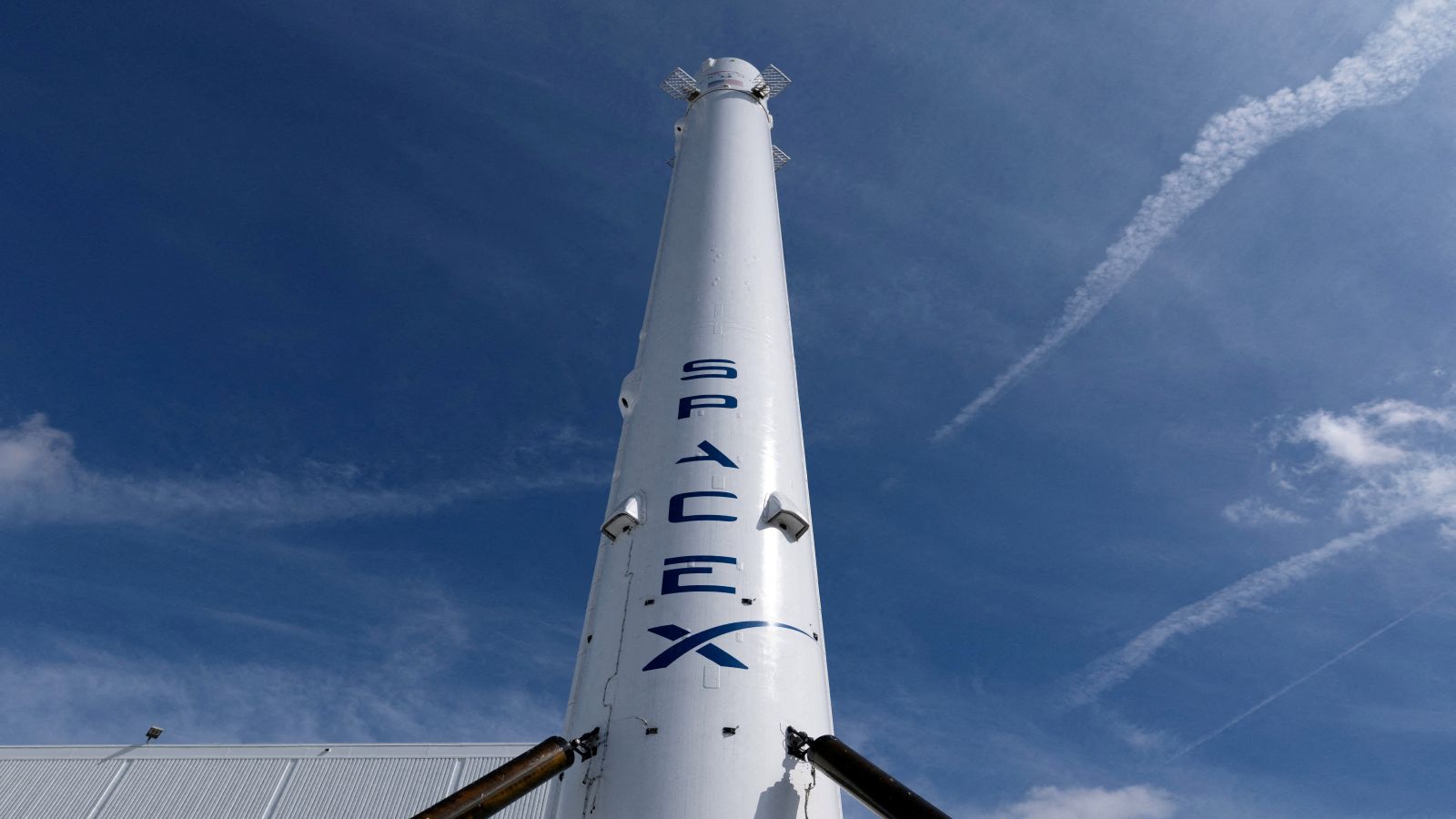
Elon Musk is trying to pull off the biggest stock market debut in history, but Washington isn't rolling out the red carpet. SpaceX is planning to hit the Nasdaq under the ticker SPCX, hunting for a jaw-dropping $1.75 trillion valuation.
If you think this is just another billionaire tech drama that doesn't affect you, think again.
Senator Elizabeth Warren just threw a massive wrench into the gears. She fired off a scathing 12-page letter to SEC Chair Paul Atkins demanding an immediate halt or delay of the offering. While the fight looks like another political boxing match, Warren's core argument points straight at your wallet. If you own standard index funds or retirement accounts, you might soon be forced to buy into Musk's space empire whether you want to or not.
The Trillion Dollar Accounting Friction
SpaceX wants to sell 555 million Class A shares at $135 each, looking to raise a cool $75 billion. That target price locks in that $1.75 trillion valuation.
To put that numbers game into perspective, SpaceX brought in about $19.3 billion in revenue over the last four quarters. Do the math and you get a price-to-sales ratio of roughly 103. That is absurdly expensive. It sits 40% higher than Palantir, which currently holds the crown for the most expensive stock in the S&P 500.
Warren didn't hold back in her letter, pointing out that market analysts have called the math underlying SpaceX's target valuation "nonsensical" and "smoke-and-mirrors accounting." Independent research firms like Morningstar have pegged the company's actual fair value closer to $780 billion. That's less than half of what Musk is asking the public to pay.
When a private company goes public, early investors and insiders want the highest price possible to cash out. But when the entry price is artificially inflated, public retail investors usually end up holding the bag when the stock crashes back to reality.
The Index Fund Trap
You don't need a brokerage account to end up exposed to SpaceX. Wall Street index providers like Nasdaq, FTSE Russell, and the London Stock Exchange Group have updated their rules to fast-track massive companies into major stock indexes right after they debut.
This is where the risk spreads to everyday savers.
If SpaceX immediately joins major passive indexes, every single target-date retirement fund, pension, and standard index fund tracking those baskets must buy the stock. Millions of passive investors will become SpaceX owners instantly. They won't have a choice in the matter.
Warren's warning captures this exact trap. If the $1.75 trillion valuation is a bubble, the eventual correction won't just hurt tech speculators. It will drag down the retirement savings of teachers, factory workers, and everyday people who thought they were choosing low-risk, diversified investments.
Total Control and Zero Accountability
Public markets usually function on a basic agreement: you give the company money, and you get a say in how it runs. SpaceX plans to flip that model upside down.
The corporate governance structure designed for the SPCX listing strips away standard shareholder protections. The company relies on a cocktail of supervoting shares, mandatory arbitration for disputes, and strict limitations on shareholder proposals, all wrapped up under business-friendly Texas corporate law.
Basically, Musk and his inner circle keep absolute power while public shareholders provide billions in fresh capital. If Musk decides to shift resources or make erratic corporate pivots, public investors have zero legal leverage to stop him. It creates a massive governance vacuum where the public takes all the financial risk while insiders retain all the authority.
National Security and Secret Capital
Beyond the balance sheets, the SpaceX debate involves serious national security implications. SpaceX serves as a critical defense contractor, handling sensitive launches for the Department of Defense and the National Reconnaissance Office.
Federal lawmakers have raised alarms regarding unsealed court records that suggest a network of independent middlemen have historically funneled investment capital from foreign adversaries into SpaceX via offshore shell companies in the British Virgin Islands and Cayman Islands.
With SpaceX transitioning to a public entity, tracking the ultimate beneficial owners of these massive equity blocks becomes incredibly messy. Warren's push demands that the SEC investigate these disclosure gaps thoroughly before letting the ticker go live.
Guarding Your Portfolio
The SEC's primary job is ensuring full disclosure, not handing out financial advice. Chair Paul Atkins has until June 23 to answer Warren's formal queries, but the IPO clock is ticking loudly.
Don't wait for regulators to settle political feuds before checking your investment exposure. Take a close look at your mutual funds and exchange-traded funds, especially those tracking tech-heavy or Nasdaq indexes. If the SpaceX listing goes through unchanged, monitor your funds' holdings reports over the coming weeks to see how much exposure your retirement capital has to this highly contested valuation. If your asset allocation starts leaning too heavily into high-multiple tech names, rebalancing into boring, steady value funds or capital-preservation assets might save you from the blast radius if this rocket ride hits early turbulence.