South Korean lawmakers are celebrating a massive victory. They finally updated the Public Performance Act, implementing criminal penalties and heavy fines for ticket touts using automated macros to scoop up concert seats. The mainstream media is eating it up. Fans are cheering online, convinced that K-pop concerts and massive stadium gigs will suddenly become cheap, accessible, and fair.
They are completely wrong.
This legislative crackdown is a textbook example of economic illiteracy masquerading as consumer protection. By criminalizing the secondary market instead of fixing the broken primary market, South Korea has guaranteed two things: ticket prices will skyrocket through back-alley channels, and genuine fans will find it harder than ever to see their favorite artists.
The Phantom Menace of the Macro Bot
The foundational lie of the current anti-touting narrative is that technology is the root cause of scarcity. Industry groups complain that automated bots steal tickets from the hands of ordinary teenagers.
Let's dismantle that premise immediately. Bots do not create demand; they react to underpricing.
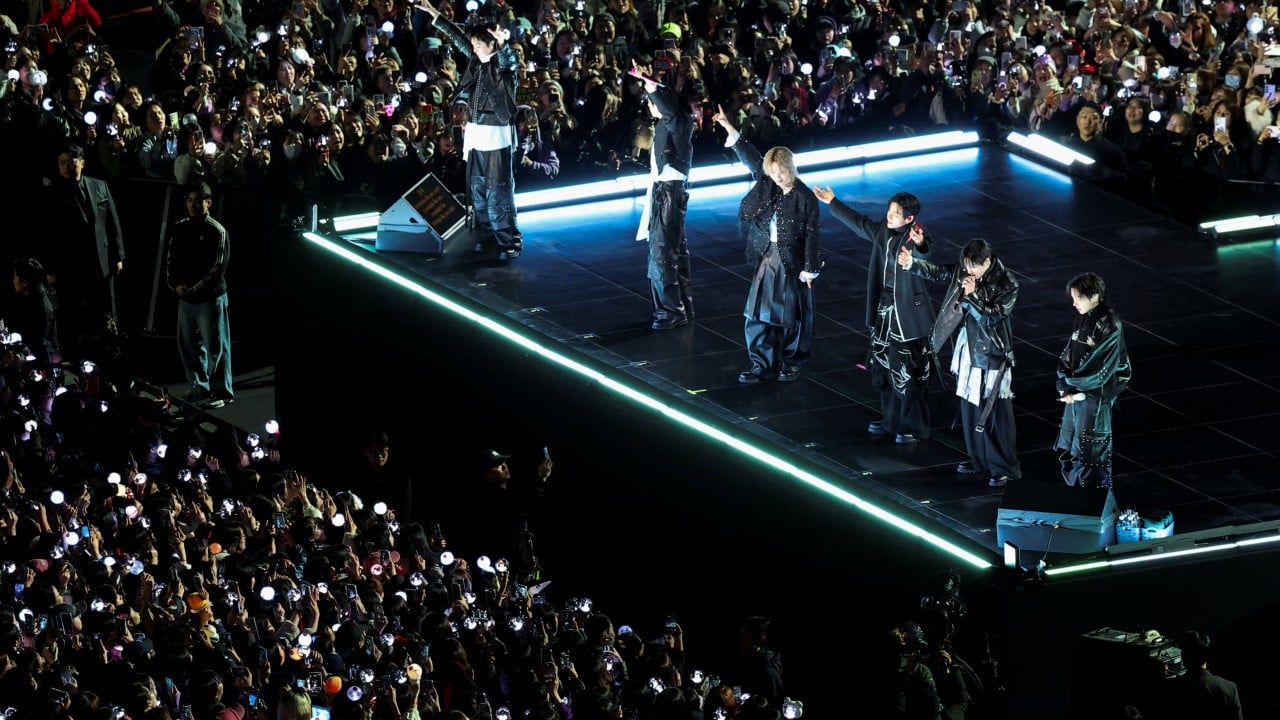
When a global phenomenon like BTS, IU, or Blackpink plays a venue, the demand for tickets exceeds the physical supply of seats by a factor of ten, sometimes a hundred. If a ticket is priced at a flat 150,000 KRW ($110 USD) but holds a true market value of 1,500,000 KRW based on consumer willingness to pay, an economic vacuum is created.
[Artificial Price: 150,000 KRW] <--- Massive Value Vacuum ---> [True Market Value: 1,500,000 KRW]
That vacuum will be filled. If you ban macros, you do not eliminate the demand gap. You simply change who profits from it. Instead of tech-savvy kids using software, the market shifts to insular, criminal syndicates utilizing human click-farms, insider allocations, and corrupt venue staff.
I have watched music executives spend millions of dollars trying to build un-bottable ticketing systems. It is a fool's errand. For every digital wall a ticketing platform builds, a secondary broker finds a ladder. The only thing these new laws achieve is driving the market underground, stripping away the basic buyer protections that structured secondary platforms provide.
Why Cheap Tickets Are a Tax on the Middle Class
The "lazy consensus" dictates that keeping ticket prices artificially low helps the average fan. This is a delusion.
When tickets for a hyper-inbound event are priced far below market equilibrium, the rationing mechanism changes from money to time and luck.
Who wins in a system purely dictated by time and luck?
- People who do not work traditional hours and can sit on a browser for six hours.
- People with high-speed fiber-optic internet connections close to the central ticketing servers.
- Professional line-sitters and casual scalpers who have nothing better to do.
Imagine a scenario where a working-class fan holds down two jobs to afford a premium experience. Under a free-market secondary system, they can exchange the fruits of their labor directly for a guaranteed seat. Under the new South Korean model, their money is useless. They are forced to gamble their virtually nonexistent free time against millions of other applicants in a lottery or a chaotic digital queue.
By criminalizing resale premiums, the government has essentially declared that a fan's dedication is measured solely by how many hours they can waste staring at a loading screen. It is an incredibly elitist structure disguised as egalitarianism.
The Capitalist Reality Musicians Fear to Admit
Entertainment companies love the optics of fighting scalpers. It positions them as protectors of the youth. But behind closed doors, the math tells a different story.
Live music production costs have exploded over the last decade. Freight, staging, insurance, and artist guarantees are at all-time highs. When labels price stadium tickets at a fraction of their actual worth, they leave tens of millions of dollars on the table—money that could be used to fund better production, hire elite sound engineers, and support emerging opening acts.
The current system forces artists to subsidize the secondary market. If a reseller flips a ticket and makes a 400% profit, the artist sees exactly zero percent of that upside.
The solution is not police intervention. The solution is dynamic, market-clearing pricing.
Traditional Pricing: Fixed, low entry point -> High scalper margins -> Zero artist upside
Dynamic Pricing: Real-time demand adjustment -> Zero scalper margins -> 100% artist upside
If entertainment agencies priced their inventory accurately from day one, the scalping industry would vanish overnight. There is no money in reselling an item that is already priced at its true market value. Western agencies like Ticketmaster have experimented with this via "Platinum" seating. While it draws short-term public outrage, it ensures the capital stays within the creative ecosystem rather than funding independent brokers. South Korea's refusal to adopt this model, combined with its new punitive laws, is choking the financial growth of its own cultural exports.
Dismantling the "People Also Ask" Delusions
The public discourse surrounding ticket laws is riddled with flawed logic. Let's address the most common defense mechanisms deployed by supporters of these crackdowns.
"If we don't cap resale prices, won't concerts become exclusive sandboxes for the ultra-rich?"
This question assumes that every seat in a stadium possesses equal value. It ignores basic tiering mechanics. High-net-worth individuals will happily pay exorbitant premiums for front-row VIP experiences. In a unrestricted market, those massive margins from the ultra-rich directly subsidize the cheap, upper-deck seats for casual fans. When you flatten the price structure and ban the resale premium, you destroy this subsidy. The result? The price of the worst seats in the house must rise to cover the total event costs.
"Identity verification and real-name ticketing systems solve the entire problem anyway."
Relying on hyper-strict real-name verification (like linking tickets to resident registration numbers) introduces massive operational friction. I have seen venues turn into logistical nightmares, with lines stretching for miles outside Olympic Stadium because staff must manually verify physical IDs for 50,000 people. Furthermore, it creates a massive black market for account rentals. Fans simply buy the entire digital identity or smartphone of the seller for the weekend. The law cannot police someone handing a physical device to a stranger at a gate.
The Dark Side of the Compliance Trap
We must acknowledge the genuine risk of a completely unregulated secondary market: outright fraud. Speculative ticketing—where brokers sell tickets they do not yet own—is an predatory practice that hurts consumers.
But South Korea's sweeping legislation does not surgically target fraud; it carpet-bombs the entire concept of ownership.
When you buy a concert ticket, you are purchasing a piece of property. If you cannot transfer, gift, or resell that property at its current market valuation, you do not truly own it. You are merely renting a highly restrictive license from an entertainment conglomerate.
The downside of my contrarian approach is obvious: fans must accept that some experiences are luxury goods. Seeing a top-tier K-pop idol group from the third row is not a basic human right. It is a scarce, premium commodity. Until the industry and the public accept this reality, legislative fixes will continue to fail, markets will continue to distort, and the real fans will continue to lose.
Stop asking the government to fix ticket queues. Demand that agencies price their shows honestly. If you want to eliminate the middleman, you have to stop pretending the product is cheap. Let the market dictate the cost, let the artists claim the revenue, and let the digital queues rot.