The air in West Palm Beach doesn’t move much in September. It sits heavy, smelling of salt and freshly mown grass, thick enough to dampen the sound of a golf club hitting a ball. But when the silence broke on a Sunday afternoon, it wasn't the sharp crack of a driver. It was the frantic rustle of a man in the bushes and the hollow pop of a Secret Service agent’s rifle.
Again.
For the second time in sixty-four days, a former president and current candidate stood at the center of a target. We are no longer living through a series of isolated, tragic events. We are living in a house where the foundation is groaning under the weight of a fever. If you look closely at the data, the fever isn't just spiking; it’s becoming the new baseline.
The national conversation usually follows a predictable script. One side blames the rhetoric of the other. The other side points to the accessibility of steel and gunpowder. We retreat into our digital bunkers, lobbing accusations across a divide that grows wider with every news cycle. But while we argue about the "why," the "how much" is becoming terrifyingly clear.
Political violence in the United States has shifted from a rare, shocking anomaly into a steady, low-grade hum.
The Neighbors We No Longer Know
Consider a hypothetical woman named Sarah. She lives in a quiet suburb, the kind of place where people still wave from their porches. She isn't a radical. She isn't an activist. But lately, she finds herself checking the lawn signs of her neighbors before deciding whether to ask for a cup of sugar or help with a flat tire.
Sarah is the human face of a chilling statistic. Recent surveys from the University of Chicago’s Project on Security and Threats show that millions of Americans—ordinary people who work in offices, teach in schools, and shop at the same grocery stores as you—now believe that violence could be justified to achieve their political goals. We aren't talking about a few fringe groups in the woods. We are talking about a significant portion of the electorate.
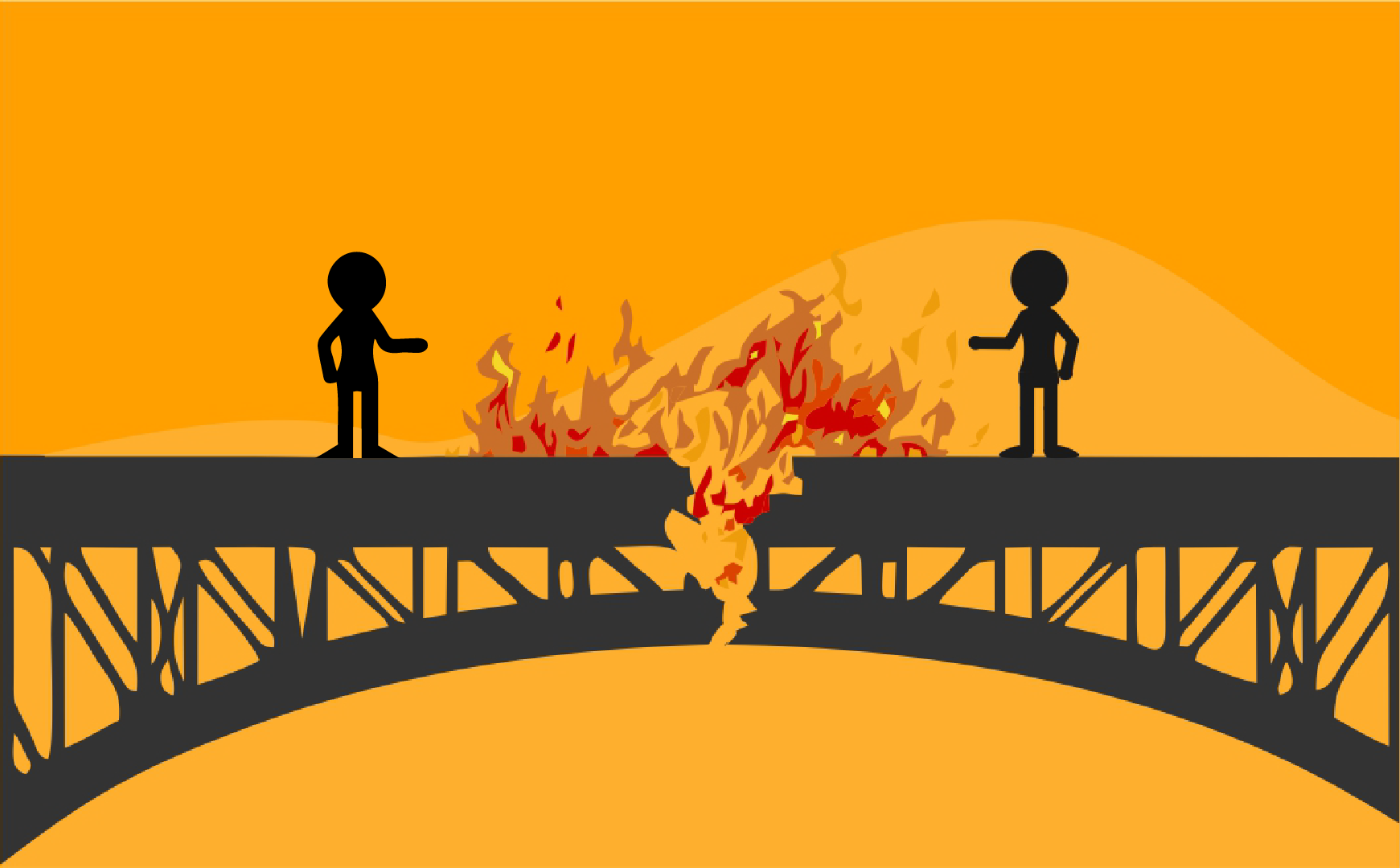
This shift doesn't happen overnight. It is a slow erosion. It starts with a meme. It moves to an angry dinner table conversation. It ends with a person standing in a thicket of Florida brush with a GoPro and a dream of martyrdom.
The stakes aren't just the safety of a single man on a golf course. The stakes are the fabric of our shared reality. When violence becomes a tool of political expression, the democratic process—the messy, slow, frustrating work of compromise—starts to look like a relic of a bygone era.
The Mechanics of the Radical Mind
Why now? Why us?
Historical context suggests that political violence thrives in the soil of perceived existential threats. If you believe that the "other side" isn't just wrong, but is actively trying to destroy your way of life, your family, and your country, then suddenly, the unthinkable becomes a moral necessity.
It is an ancient psychological trap. We are wired to protect our tribe. In the modern world, our "tribe" is no longer defined by geography, but by the algorithms that feed us a constant stream of outrage. Every scroll on a smartphone is a tiny drop of kerosene on a fire that has been burning since 2016.
The data tells a grim story. Threats against federal judges have spiked. Harassment of election workers—people who are essentially the mechanics of our democracy—has become so severe that many are simply quitting. When the people who count the votes are afraid for their lives, the machine stops working.
We often think of political violence as the big events: the January 6th Capitol riot, the shooting at a congressional baseball practice, the attempts on Donald Trump. But those are just the lightning strikes. The real danger is the storm clouds that have become a permanent fixture on our horizon.
The Mirror and the Gun
The most uncomfortable truth is that we are all participating in this, even if we never pick up a weapon.
When we dehumanize someone on the internet, we are narrowing the path back to civility. When we treat politics like a blood sport where the loser is "annihilated" rather than just defeated, we are setting the stage for someone else to take those words literally.
Words matter. They create the permission structure for action. If a leader says the country is being invaded, or that the opposition is a threat to democracy itself, they are handing a map to the desperate and the disillusioned.
It is easy to blame the shooters. They are the ones who pull the trigger. But we have to look at the environment that produced them. We are living in a society where loneliness is an epidemic, and extremist movements offer a sense of belonging and purpose. For a man with a rifle in a bush, that rifle is a way to finally be heard in a world that he feels has silenced him.
The Cost of Looking Away
The danger of this moment is that we might get used to it.
Normalization is a silent killer. We saw it happen in the 1970s, a decade where bombings and political kidnappings were almost weekly occurrences in the United States. We eventually moved past that era, but it took a collective realization that the path we were on led only to rubble.
Today, we are teetering on that same edge. The attempts on Trump’s life are sirens. They are screaming at us to wake up.
But waking up is hard. It requires us to admit that our own "side" might be contributing to the poison. It requires us to turn off the screens and look at our neighbors as human beings again, rather than as avatars of an ideology we hate.
If we don't, the sound of the breaking window won't be a one-time event. It will be the soundtrack of our lives.
The man in the bushes was caught. The former president is safe. The golf course is quiet again. But the silence is brittle, like glass that has already been cracked and is only waiting for the next vibration to shatter completely. We are standing in a room full of mirrors, and every time we throw a stone, we are only hitting ourselves.