Optimizing human sleep performance is frequently mischaracterized as an expensive pursuit of luxury hardware, yet the physiological triggers for Stage 3 NREM (deep sleep) and REM cycles are primarily governed by environmental variables that can be manipulated for less than $100. The bottleneck in sleep quality is rarely the lack of a five-figure mattress; rather, it is the failure to manage thermal regulation, light pollution, and acoustic consistency. By applying a structured framework to the sleep environment, an individual can achieve significant gains in restorative efficiency—measured by heart rate variability (HRV) and sleep latency—without significant capital expenditure.
The Triad of Circadian Entrainment
The human biological clock relies on external cues, known as zeitgebers, to synchronize the internal suprachiasmatic nucleus with the 24-hour solar cycle. When these cues are muddied by modern living, the result is circadian misalignment. Correcting this requires a systematic approach to three specific variables: light hygiene, thermal shedding, and sensory isolation. Meanwhile, you can read related developments here: The $4 Trillion Pharmacy in Your Pocket.
1. Photic Management and Melatonin Suppression
The most potent driver of sleep onset is the absence of short-wavelength (blue) light. Exposure to wavelengths between 450-480 nanometers suppresses melatonin production by up to 85%, delaying the transition into the first sleep cycle.
- Physical Obscuration: Even minor light leaks from streetlamps or electronics can penetrate eyelids. High-density blackout eye masks provide a total occlusion solution that portable curtains cannot match in a transient or rental environment. A contoured mask—one that does not apply pressure to the globes of the eyes—prevents the disruption of REM-associated eye movements.
- Spectral Filtering: Swapping standard 5000K LED bulbs in the bedroom for amber-hued, low-wattage bulbs (under 2000K) effectively removes the melatonin-suppressing portion of the spectrum. This is a passive system change that requires no willpower once installed.
2. The Thermodynamic Requirement for Sleep Onset
Human core body temperature must drop by approximately 1°C (2-3°F) to initiate sleep. If the environment prevents this heat shedding, the body remains in a state of high metabolic alertness. To understand the complete picture, we recommend the detailed article by Medical News Today.
- Vasodilation through Hydrotherapy: A hot shower or bath 90 minutes before bed serves a paradoxical function. It pulls heat from the core to the extremities (hands and feet), which then radiate that heat into the environment. This rapid cooling of the core acts as a biological trigger for sleep.
- Textile Breathability: Synthetic materials like polyester trap heat and moisture, creating a micro-greenhouse effect. Switching to 100% cotton or bamboo linens facilitates evaporative cooling. While high-thread-count Egyptian cotton is marketed as luxury, a lower thread count (200-400) often provides superior airflow, which is the more critical metric for thermoregulation.
3. Acoustic Consistency and the Startle Response
The brain does not stop processing auditory information during sleep. Instead, it monitors the environment for "change." A sudden sound in a silent room triggers a spike in cortisol, leading to micro-awakenings that fragment sleep architecture.
- Signal-to-Noise Ratio: The goal of a white noise machine or a high-velocity fan is not to provide "music" but to raise the floor of the ambient noise level. By narrowing the gap between the background noise and an unpredictable sound (like a car horn), you reduce the likelihood of the brain registering the delta as a threat.
- Mechanical vs. Digital: Mechanical fans provide a non-looping, analog frequency spectrum that avoids the "looping" artifacts sometimes found in low-quality digital apps, which the subconscious brain can eventually detect and focus on.
Quantifying the Sleep Surface: Support vs. Comfort
Marketing for bedding often conflates "softness" with "quality." From a physiological standpoint, the sleep surface must be analyzed through the lens of spinal alignment and pressure point distribution.
The Pillow as a Cervical Orthotic
The primary function of a pillow is to fill the gap between the cranium and the mattress, keeping the cervical spine neutral.
- Side Sleepers: Require a higher loft to account for the width of the shoulder. A shredded memory foam pillow allows for manual adjustment of the volume, ensuring the head does not tilt toward the shoulder.
- Back Sleepers: Require a medium loft with a contour to support the natural curve of the neck.
- Stomach Sleepers: Require a very low loft or no pillow at all to prevent hyperextension of the neck.
By treating the pillow as a functional tool rather than a decorative accessory, an individual can eliminate the tension headaches and neck stiffness that often lead to mid-night arousal.
Tactical Mattress Upgrades
If a mattress is sagging or too firm, the cost of replacement is high. However, the "feel" can be modulated using targeted toppers. A three-inch latex or high-density foam topper can redefine the pressure distribution of an aging mattress for roughly 10% of the cost of a new unit. This provides a temporary but effective bridge for those not yet ready for a full system overhaul.
The Behavioral Economic of Sleep Hygiene
Optimization is not merely about the acquisition of objects; it is about the reduction of friction. The "Cost of Ownership" for sleep quality includes the time spent maintaining the environment.
- Nose Strips and Airflow: For many, the bottleneck is oxygen saturation. Nasal congestion forces mouth breathing, which is associated with increased snoring and decreased sleep depth. External nasal dilators—strips that physically pull the nares open—can increase airflow by up to 30%, a significant physiological gain for a negligible per-use cost.
- Weighted Pressure and Proprioception: Weighted blankets utilize deep pressure stimulation (DPS). This mimics the effects of "grounding," which can lower the heart rate and reduce the production of cortisol. For individuals with high anxiety or ADHD, a $60 weighted blanket can act as a non-pharmacological sedative.
Constraints and Limitations of Low-Cost Interventions
While environmental changes are high-leverage, they cannot override fundamental biological deficits or medical conditions.
- Obstructive Sleep Apnea (OSA): No amount of blackout curtains or cotton sheets will resolve the hypoxia caused by a collapsed airway.
- Chemical Interference: The half-life of caffeine is approximately 5-6 hours. If ingested at 4:00 PM, 25% of that stimulant is still active in the brain at 4:00 AM.
- Alcohol-Induced Fragmentation: While alcohol is a sedative that aids sleep latency (falling asleep), it is a potent disruptor of REM sleep and leads to sympathetic nervous system activation in the second half of the night.
Strategic Implementation Framework
To maximize the return on investment for a sub-$100 sleep budget, follow this hierarchy of operations:
- Phase 1: Light Totalitarianism ($20 - $40). Prioritize a high-quality contoured sleep mask and blackout film for windows. Eliminating light is the single most effective way to protect the integrity of the circadian rhythm.
- Phase 2: Thermal Management ($30 - $50). Replace synthetic bedding with breathable natural fibers. Ensure the thermostat is set to roughly 18°C (65°F) or utilize a high-velocity fan for airflow.
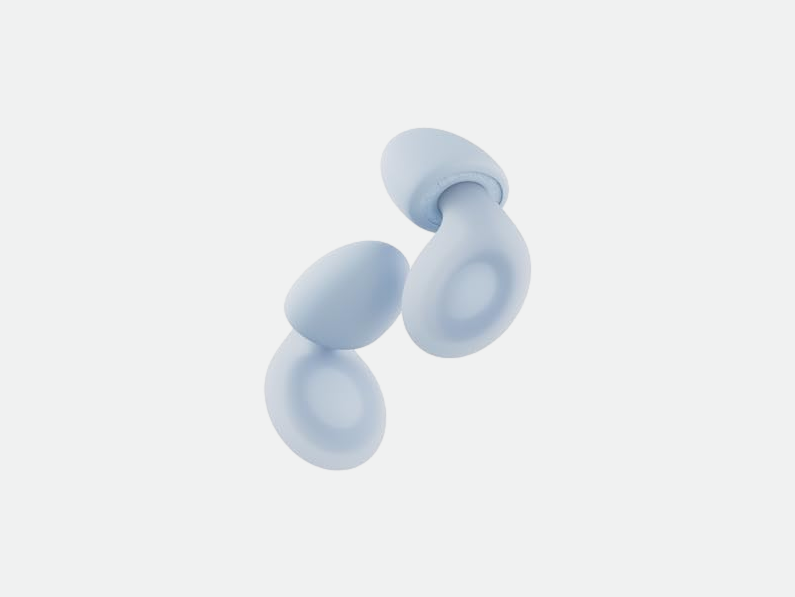
- Phase 3: Respiratory and Acoustic Tuning ($10 - $30). Implement nasal strips if mouth breathing is an issue and use a fan or white noise machine to mask environmental spikes.
The objective is to create a "sleep cave" that is cold, dark, and quiet. Any expenditure beyond these three goals yields diminishing returns until the baseline environment is mastered. Focus on the variables that drive the largest physiological shifts: core temperature and melatonin production.
Verify the effectiveness of these changes by monitoring morning HRV and resting heart rate. A downward trend in nocturnal RHR (Resting Heart Rate) following these environmental adjustments confirms that the autonomic nervous system is successfully transitioning into a parasympathetic state, regardless of the price tag on the mattress.
Move immediately to eliminate all blue light sources from the bedroom and implement a 90-minute pre-sleep "power down" window where all digital interfaces are replaced by analog activities under amber light. This shift in behavior, combined with the physical tools mentioned, creates the necessary conditions for high-velocity sleep recovery.