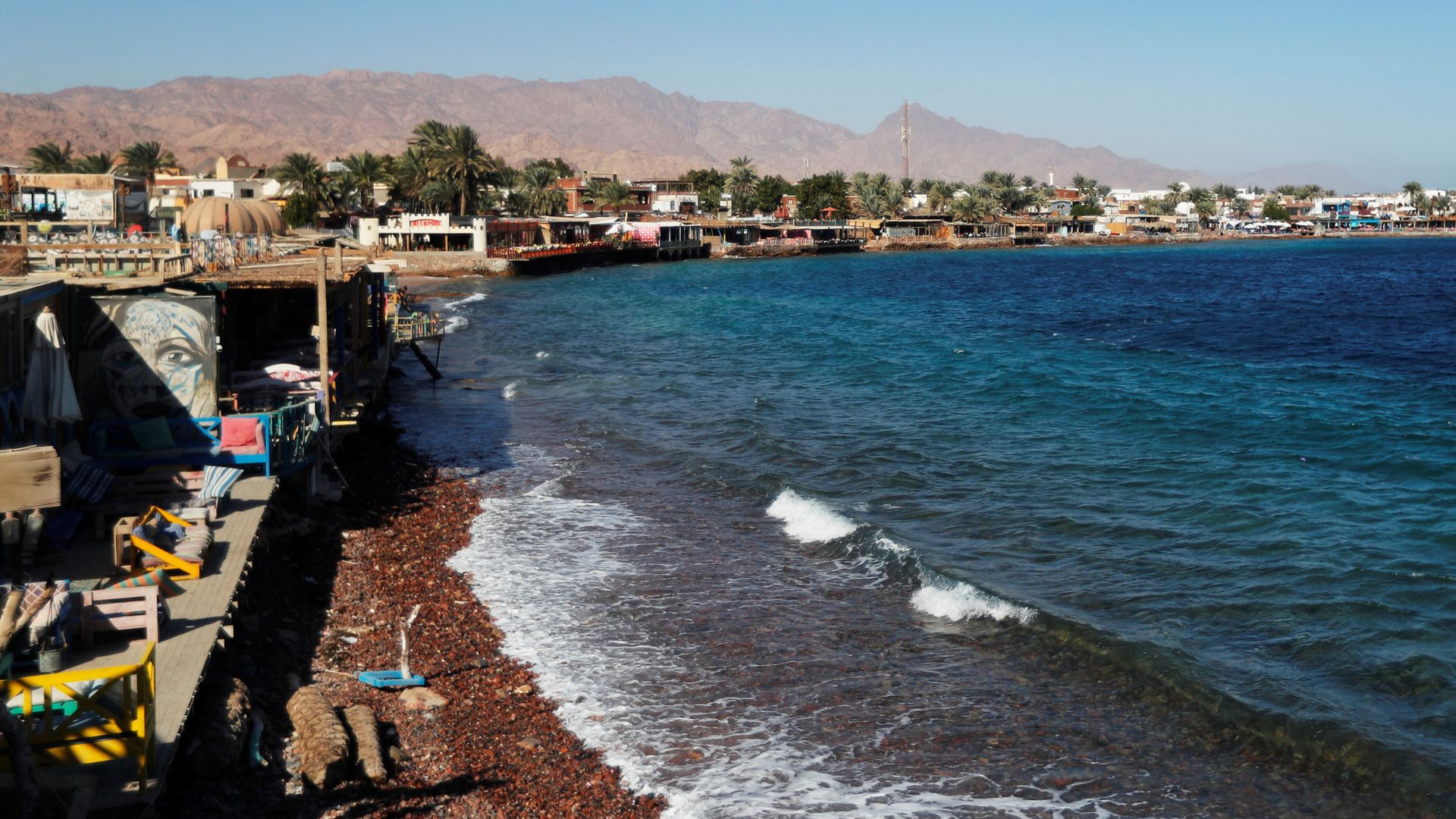
Twenty-two human lives vanished on a stretch of asphalt between Dahab and Nuweiba. Another twenty-eight bodies were pulled from the wreckage broken, bruised, and rushed into the strained wards of South Sinai hospitals. Among the dead were Egyptian nationals and Jordanian citizens traveling on a long-haul route bound for Amman. The official state bulletins offered the usual sterile autopsy of tragedy. A tire blowout. Speeding. Poor road conditions.
We have read these exact dispatches for decades. They arrive with grim regularity, scrolling across news tickers before vanishing beneath the churn of the next daily crisis. Yet reducing these catastrophes to random acts of highway misfortune is an intellectual fraud. What happened on the South Sinai corridor is not an accident in the truest sense of the word. It is a predictable outcome born of systemic neglect, institutional corner-cutting, and a total absence of regulatory enforcement. When infrastructure crumbles and commercial transport operates outside the bounds of basic accountability, mass casualty events stop being anomalies. They become an industrial baseline.
The Anatomy of an Avoidable Disaster
Highways connecting remote tourist enclaves to major urban centers are supposed to serve as veins of economic vitality. Instead, too many of them function as linear gauntlets. Consider a hypothetical transport corridor stretching across an arid desert plateau. Heavy freight trucks run overloaded on fatigued rubber. Long-distance passenger coaches push past legal hour limits because operators prioritize turnaround times over driver rest. When maintenance budgets evaporate into bureaucratic inefficiency, tarmac degrades, shoulder barriers disappear, and warning signage becomes a distant memory.
A tire failure at highway speeds is terrifying, but it is rarely fatal on a well-maintained road with forgiving margins. On the remote stretches of Egypt's eastern peninsula, a blown tire means a sudden, violent pivot into a ravine or an uncontrolled rollover.
- Regulatory Void: Oversight bodies routinely fail to inspect commercial fleets for structural integrity, brake wear, and tire tread depth.
- Driver Exhaustion: Long-haul operators push their staff through punishing shifts without enforced rest periods or electronic logging devices.
- Infrastructure Deficits: Vital routes lack adequate lighting, median barriers, and emergency stopping lanes, converting minor mechanical failures into fatal catastrophes.
The state rushes to dispatch twenty ambulances to the scene. Sirens wail through the desert night. Ministers issue statements expressing profound sorrow and promising thorough investigations. But an ambulance at the end of a bloody road is not a transit policy. It is a cosmetic bandage applied to a gaping wound.
The Economics of Carnage
Why do commercial buses continue to flip, burn, and collide with stationary obstacles across North Africa? The answer lies in the harsh mathematics of profit and deregulation. Operating a modern fleet of motorcoaches equipped with advanced braking systems, electronic stability control, and fresh rubber requires substantial capital. When margins shrink under the weight of inflation and currency devaluation, corners are trimmed where nobody is watching.
Bus lines compete in a cutthroat market where passengers choose their provider almost exclusively based on ticket price. A company that invests heavily in vehicle maintenance and safety compliance finds itself priced out by operators running aging, unserviced chassis held together by mechanical improvisation and blind optimism. The market rewards risk. The consumer absorbs it.
Government authorities maintain transit ministries and highway patrols, yet enforcement remains erratic and susceptible to corruption. A roadside inspection can often be bypassed with a modest cash transaction. Bribes keep unsafe vehicles moving. They also keep the true cost of transportation hidden until a vehicle rolls over on a mountain curve, leaving families to count the bodies.
Beyond the Official Narrative
Journalists tracking these incidents are frequently handed a convenient scapegoat. The driver is invariably blamed. If the driver survived, they are arrested, interrogated, and painted as a reckless individual who threw caution to the wind. If the driver perished, the blame is sealed permanently with their death.
This narrative protects the architects of the system. Pinning twenty-two deaths entirely on individual human error ignores the structural trap that swallowed the vehicle long before it left the terminal. A driver speeding down a substandard desert highway is responding to corporate quotas, scheduling pressures, and an economic environment that leaves them no margin for delay. Blaming the operator at the wheel is a convenient way for the state to absolve itself of its fundamental duty to build and police safe public spaces.
Change will not arrive through another round of ministerial condolences or temporary crackdowns following a high-profile crash. Real reform requires an expensive, unglamorous overhaul of national transport infrastructure. It demands independent safety boards with the power to impound dangerous commercial vehicles, mandatory telematics for all long-distance passenger liners, and zero-tolerance anti-corruption protocols within traffic enforcement agencies.
Until those structural overhauls occur, the desert highways will keep claiming their toll. The next bulletin is only a matter of time.
Deadly Egypt Bus Crash: 17 Killed And Dozens Injured In Ismailia
This video provides on-the-ground reporting and visual context regarding the frequent bus collisions and infrastructure challenges plaguing regional transport corridors.