The Atlantic Ocean is a great equalizer. On a humid July afternoon, the shoreline of Long Island is crowded with a chaotic, joyful mess of humanity. You smell the coconut sunscreen and the char of a nearby charcoal grill. You hear the rhythmic thrum of waves crashing against the sand. It feels safe. It feels like home.
But beneath the surface of that shimmering blue expanse, there is a biological reality that does not care about your vacation plans. It does not care about your joy or your schedule. It simply exists, waiting for a doorway.
Consider the case of a man I will call Elias. Elias was forty-five, a weekend warrior who kept himself in decent shape. He lived for the water. One humid Saturday, he took a walk along a quiet stretch of the shoreline. He didn't even notice the sharp edge of a broken shell, or perhaps it was a jagged piece of driftwood hidden beneath a few inches of murky water. He scraped his shin. A tiny, inconsequential nick. It stung for a second, he wiped away a bead of blood with a salty hand, and he kept walking.
He felt the ocean on his skin. He didn't know he had just invited an ancient, opportunistic killer into his bloodstream.
This is the hidden danger of the coast, specifically regarding the bacteria that haunt our warming estuaries and shorelines. It is not a monster movie. There is no sentient, hunting predator. There is only biology, chemistry, and timing.
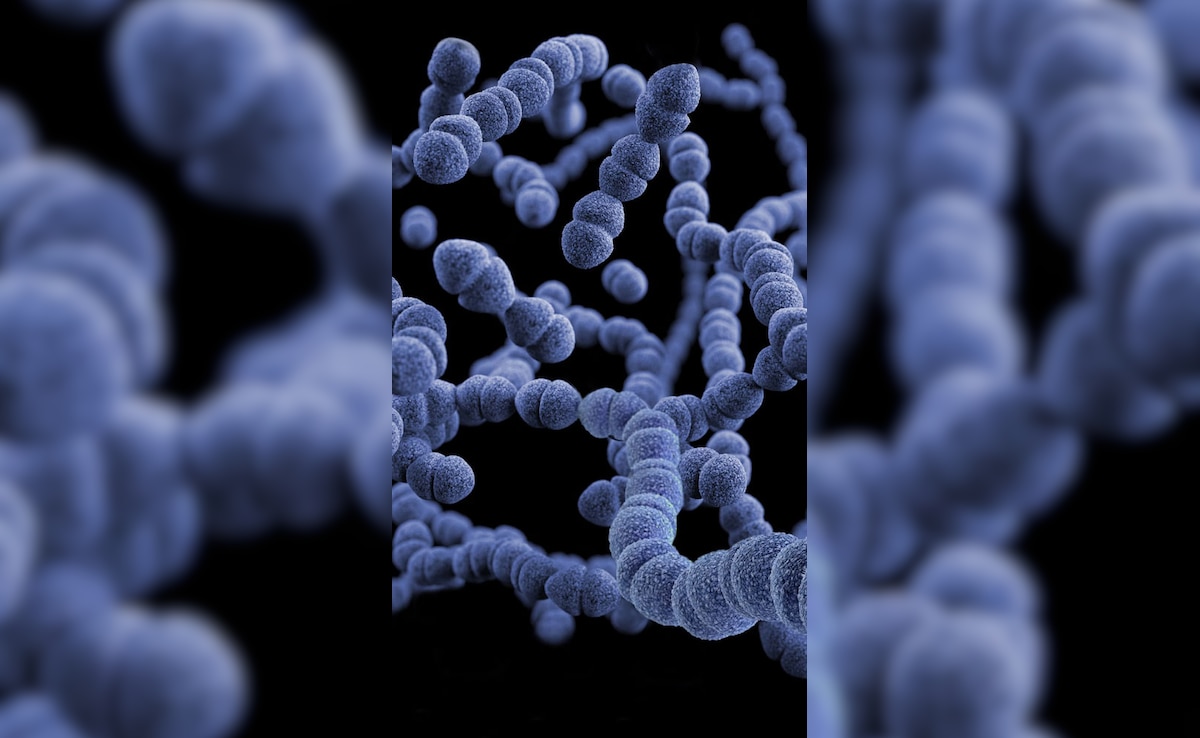
We talk about flesh-eating bacteria with a morbid, sensationalized curiosity, but the medical reality is far more clinical and terrifying. This is necrotizing fasciitis, or, in the case of saltier waters, the result of Vibrio vulnificus. These organisms are opportunistic. They live in the water, perfectly content to consume organic matter. When that water meets a human—specifically a human with a compromised immune system, a liver condition, or simply an open cut that hasn't been properly sealed—the chemistry changes.
The bacteria do not attack; they thrive.
The horror lies in the speed. Within hours of that walk on the beach, Elias felt off. He thought it was the heat. He went home, drank water, and lay down. By the time the sun set, the pain in his shin was disproportionate to the tiny scrape. This is the first signal. If the pain you feel in a wound is sharper, more intense, or more expansive than the physical injury justifies, you are in the danger zone.
The skin around his shin began to turn a mottled, bruised purple. It didn't look like a normal infection. It looked like the tissue underneath was being cooked from the inside out. Because, in a way, it was.
The bacteria release toxins that destroy the tissue surrounding the infection site. They move along the fascia, the connective tissue that wraps your muscles and organs. They move fast. They do not stop for blood flow, and they do not stop for your immune system, which is usually overwhelmed by the sheer, rapid multiplication of the pathogen.
This is why the forty-eight-hour clock is so terrifying. If you don't catch it, if you don't intervene with aggressive antibiotics or surgical removal of the dead tissue, the systemic shock becomes inevitable.
We often think of the body as a fortress. We assume that if we are "healthy," we are impenetrable. But human skin is a barrier, and when that barrier fails, we are porous. We are vulnerable. The bacteria don't choose victims based on morality or fitness. They choose based on access.
Why is this happening now? Why are we hearing more about it?
The waters are changing. As global temperatures creep upward, the environment in our estuaries and coastal zones becomes more hospitable to these bacteria. They love warmth. They love brackish water—that mix of fresh and salt that defines many Long Island inlets. We have altered the temperature of their habitat, and in doing so, we have expanded their range and their window of activity. It is a simple ecological shift that has massive, tragic consequences for anyone who steps into the surf.
But let’s be clear: this is not a call to abandon the beach. It is a call to change the way you respect the water.
When you walk along the shoreline, you are not just a spectator. You are a biological entity interacting with a complex, living system. You need to treat your body with the same level of care you give your car or your home.
If you have a cut, a scrape, or a recent piercing, do not go into the water. It sounds simple. It sounds basic. Yet, people do it every day, assuming the salt water will "clean" the wound. That is a dangerous myth. The ocean is not sterile. It is teeming with life, much of which is microscopic and indifferent to your wellbeing.
If you are already in the water and you suffer a cut, get out. Immediately. Rinse the area with clean, fresh water. Use soap. If you have an antiseptic, apply it. Watch the wound like a hawk. If it gets red, hot to the touch, or if the pain starts to throb or spread in a way that makes your skin crawl, you do not wait for the morning. You do not wait to see if it feels better after a night’s sleep. You go to the emergency room, and you tell them exactly what happened.
"I was in the water. I have a cut. I am worried about infection."
Doctors know the signs. They have seen the rapid spread of necrosis. But they can only act if you give them the time. That forty-eight-hour window is all you have. If you miss it, the conversation moves from "treatment" to "survival."
There is a specific feeling of vertigo that comes with learning how fragile we are. We walk through our days in a haze of certainty, assuming that the ground beneath our feet and the water against our ankles are benign. We forget that the world is a chemical equation, and we are just another variable.
Elias survived. He spent weeks in the hospital. He lost a significant amount of tissue, and he will carry the scars on his leg for the rest of his life—a jagged map of a summer day that almost ended everything. He is lucky. Many others, who faced the same silent tide, were not.
The ocean remains what it has always been: beautiful, immense, and indifferent. It will continue to churn. It will continue to host the life cycles of a billion organisms, from the smallest bacterium to the largest whale. It does not hate us, and it does not love us.
We are just visitors. And visitors must learn the rules of the house.
Check your skin before you step onto the sand. Keep a first-aid kit in the trunk of your car. Trust your intuition when your body tells you that something is wrong. The silence of the tide is not peaceful; it is merely an absence of noise. Do not mistake that silence for safety. Look closer. The water is waiting, and it never, ever sleeps.