The Weight of a Single Stroke
In Pyongyang, history is rarely announced with a shout. It arrives in the quiet rustle of a turning page, the precise phrasing of a state-run broadcast, or the sudden absence of a familiar face from a reviewing stand. For decades, the rhythm of power in North Korea has been dictated by unseen currents, where a single appointment can shift the tectonic plates of regional security.
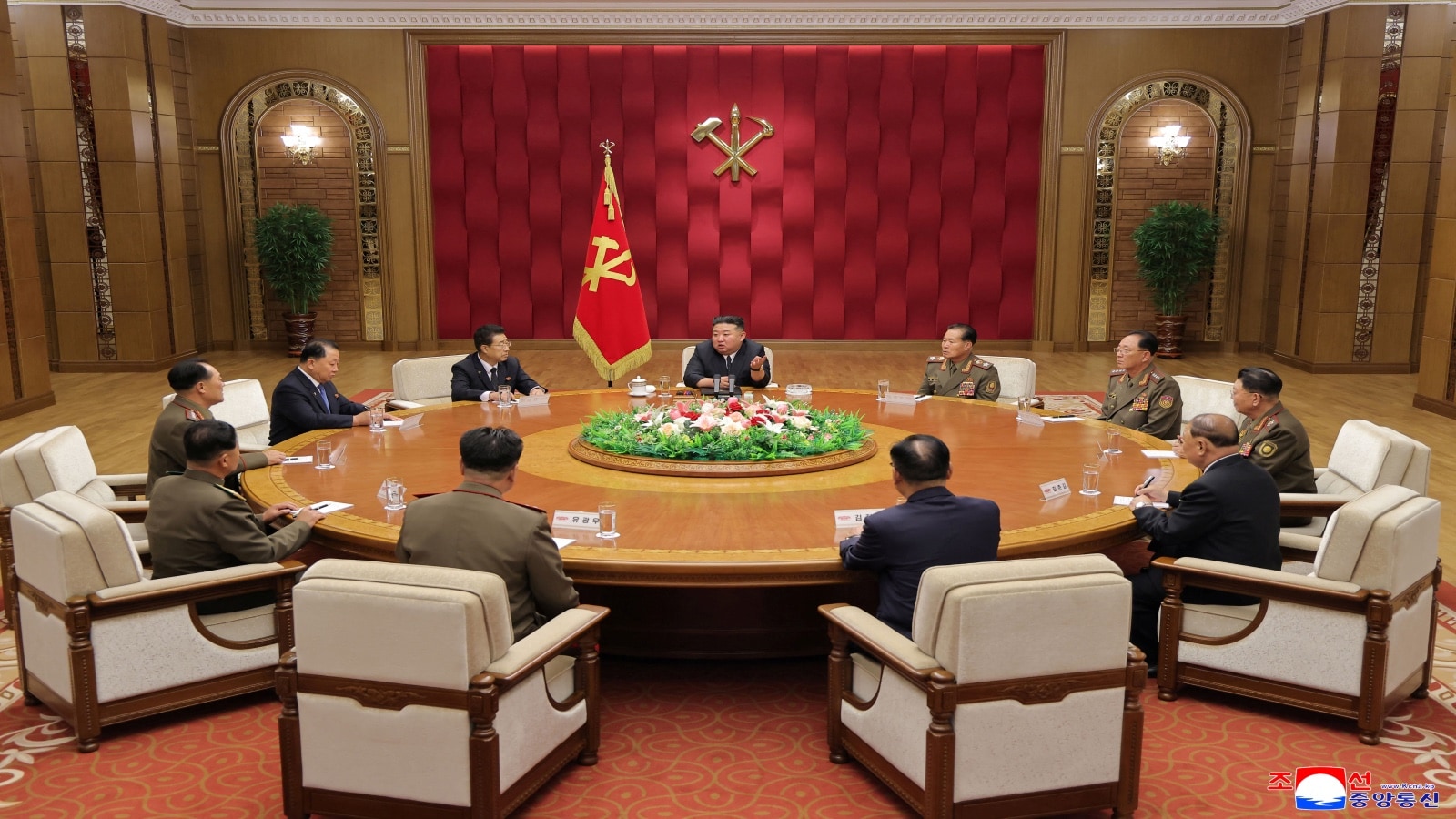
Consider the mechanics of absolute authority. When the state media agency, KCNA, releases a bulletin naming a new defense minister, the rest of the world scrambles to decode the signals. Analysts pore over grainy photographs, measuring the exact distance between officials during military parades, searching for clues in posture and proximity. But behind the satellite imagery and the frantic diplomatic cables lies a very human reality: men stepping onto a high-wire act where a misstep means total erasure, and where military command is bound inextricably to the survival of a single dynasty. Meanwhile, you can find other developments here: The Anatomy of a Digital Phantom How a Split Second of Confusion Created an Arkansas Arrest That Never Happened.
To understand the magnitude of this recent appointment, we have to look past the cold terminology of military bureaucracy. We have to look at the corridor whispers, the frantic late-night briefings in fortified underground bunkers, and the heavy burden resting on the shoulders of whoever accepts the portfolio of armed forces command.
Inside the Room of Mirrors
Imagine sitting in a drab, windowless conference room in the capital. The air smells faintly of old paper and ozone from vintage electronics. Around a long wooden table sit generals adorned with rows of medals that stretch from shoulder to pocket—decorations earned not just in hypothetical combat, but in the brutal, unrelenting internal politics of survival. To explore the full picture, check out the excellent report by The New York Times.
When a new defense minister takes the oath, the atmosphere in that room shifts. Every eye locks onto the newly appointed figure. They are wondering: Is this a reformer who might ease the tension, or a hardliner sent to tighten the screws?
History tells us it is rarely that simple. The machinery of North Korea's military leadership is designed to resist sudden turns. The newly named minister inherits a sprawling, nuclear-armed apparatus that consumes a staggering portion of the national GDP, starving civilian sectors to feed an insatiable hunger for strategic deterrence. Yet, the individual placed at the helm must navigate conflicting demands. They must satisfy the supreme leader's appetite for technological modernization—hypersonic missiles, spy satellites, naval advancements—while managing an aging conventional force plagued by chronic fuel shortages and deteriorating equipment.
It is a balancing act performed on a razor blade. Lean too far toward reckless provocation, and you invite catastrophic retaliation. Fall short on loyalty or tactical execution, and your career ends abruptly in disgrace or worse.
The Ripple Effect Beyond the Border
We often talk about geopolitics as if it were a board game played by faceless pieces. We map out trajectories of ballistic tests and count artillery shells like poker chips. But every announcement from KCNA sends immediate, palpable shockwaves through the kitchens and boardrooms of Seoul, Tokyo, and Washington.
Think of a family sitting down for dinner in a suburb of South Korea. The television hums in the background, flashing breaking news about Pyongyang’s latest cabinet reshuffle. The adults don't panic; they have lived beneath this shadow for generations. Yet, a quiet fatigue settles into the room. A new defense minister means a new calculus of threat. It means school children practicing air-raid drills out of routine rather than panic, and diplomats canceling weekends to model worst-case scenarios.
This is the hidden cost of perpetual hostility. The human spirit adapts to anything, even the constant hum of impending crisis, but the toll is paid in chronic anxiety and squandered human potential on both sides of the Demilitarized Zone.
The Unspoken Truth of Transition
Why does the regime reshuffle its military elite with such rhythmic frequency? The answer lies in the fundamental paranoia of autocratic control. No single general is ever allowed to grow too popular, too powerful, or too comfortable. Rotation is survival. By shifting portfolios, shuffling loyalties, and introducing fresh faces to top defense posts, the leadership ensures that no alternative center of gravity can ever take root within the armed forces.
When we read that a new minister has been named, we are witnessing a system perpetually defending against its own shadow. The names change. The faces on the state television screen swap out. But the core dynamic remains locked in amber: an isolated state clinging to military might as its only language of relevance, terrified of what might happen if it ever stopped speaking it.
The bulletin has been broadcast. The ink on the KCNA dispatch is dry. Somewhere in Pyongyang, a general is stepping into an office where the portraits on the wall watch every move, and the ghost of the last man out lingers in the quiet chill of the room.