The dust in a classroom has a specific smell. It is a mix of chalk, old paper, and the faint, metallic scent of floor wax. When a ceiling collapses, that smell is instantly replaced by the acrid stench of pulverized concrete and the sharp, stinging odor of cordite. In an instant, a place designed for the slow, methodical growth of a mind becomes a tomb for the body.
This is the reality of the "barbaric" strikes currently tearing through the geography of the Middle East. While official communiqués from Tehran and Tel Aviv trade accusations in the sterilized language of international diplomacy, the ground level tells a different story. It is a story of notebooks shredded by shrapnel and the terrifying, ringing silence that follows a detonation. You might also find this similar story insightful: Strategic Asymmetry and the Kinetic Deconstruction of Iranian Integrated Air Defense.
The Weight of the Word Barbaric
When the Iranian government issued its condemnation of recent U.S. and Israeli strikes on a school, they chose the word "barbaric." It is a heavy word. It implies a regression, a fall from civilization back into the primal dark. But in the theater of modern warfare, words are often used as shields or as bayonets.
To the parent standing outside the rubble of a schoolhouse, the political origin of the missile matters far less than the contents of the backpack they are trying to find. The "invisible stakes" of these strikes aren't just the geopolitical shift of a few kilometers on a map or the destruction of a logistical hub. They are the psychological scars of a generation that now knows their classroom is not a sanctuary. As highlighted in detailed coverage by The New York Times, the implications are notable.
The Living Ghost of a Supreme Leader
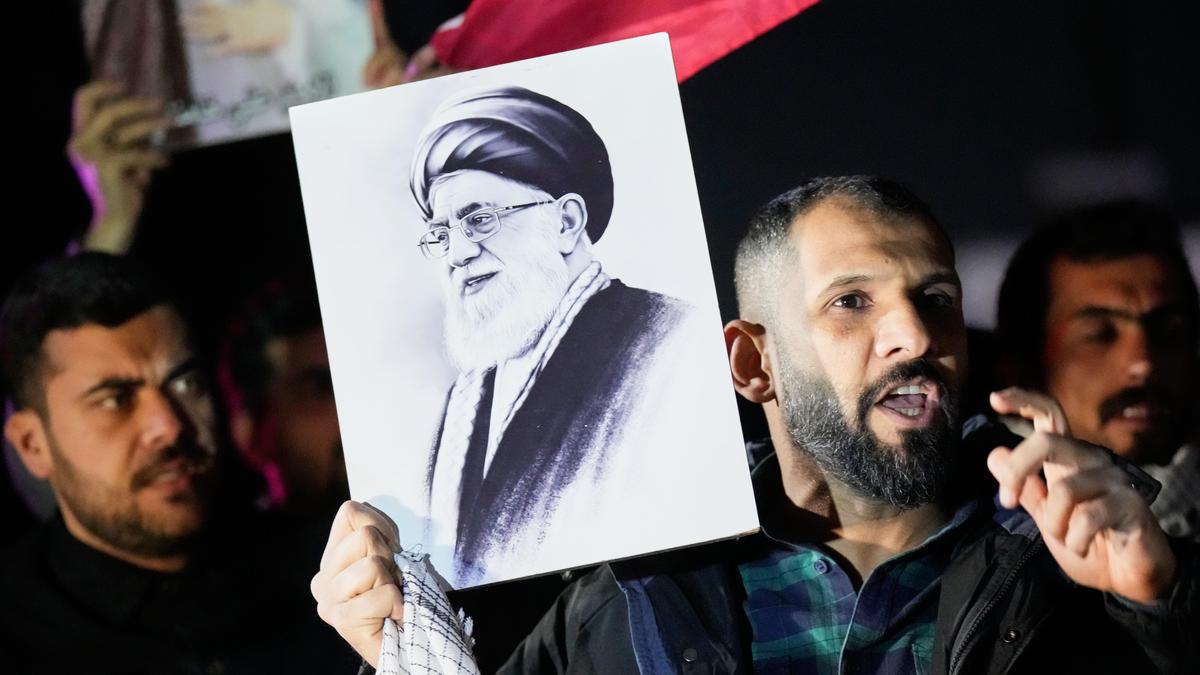
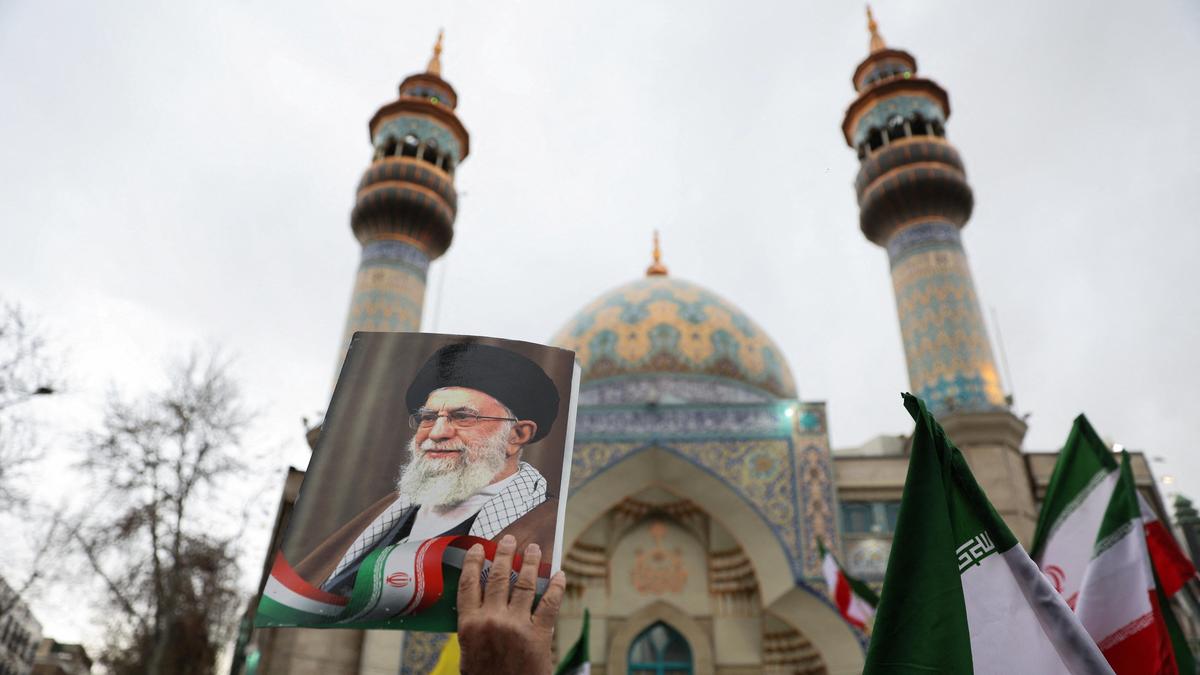
Amid the wreckage and the accusations, a persistent whisper began to circulate through the digital ether. It was a rumor that gained speed like a wildfire in a dry forest. It was the claim that Ali Khamenei, the Supreme Leader of Iran, was no longer among the living.
The Iranian state media didn't just deny it. They screamed the opposite. They claimed he was "alive," a word that should be a simple statement of biology but, in the context of a teetering regime, becomes a desperate assertion of stability. When a nation must insist its leader is still breathing, the air itself feels thin.
To the citizen in the streets of Tehran, the health of the Supreme Leader is more than a medical update. It is a barometer of their own future. If the center does not hold, the edges begin to fray. The rumor of death, whether born of hope or fear, acts as a psychological catalyst. It forces people to imagine the "what if" of a sudden vacuum in a country already under immense pressure.
The Geography of the Strike
The U.S. and Israeli strikes weren't just random acts of violence. They were surgical—or at least, that is the term often used to make the carnage sound like medicine. But a surgery on a city always leaves a scar.
Consider a hypothetical student, let's call her Mariam. She is twelve years old. She is learning the rules of geometry when the wall behind her teacher turns into a wave of fire. In that moment, the "geopolitical tensions" of the Middle East aren't a concept in a textbook. They are a physical force that shatters her world.
The strikes, aimed at what the U.S. and Israel claim are military targets embedded in civilian infrastructure, highlight the impossible math of modern war. If a target is "high-value," how many "low-value" lives is it worth? The answer depends entirely on who is holding the calculator.
The Architecture of Fear
When schools become targets, the architecture of a community changes. Buildings that were once transparent and open become fortresses of anxiety. Parents begin to look at the sky with suspicion. The hum of a distant engine is no longer just a plane; it is a question mark.
The Iranian condemnation of these strikes as "barbaric" is a strategic move, meant to paint their adversaries as the enemies of education and humanity. But the irony is thick. In the same breath, the state must manage the internal "barbarism" of its own dissent, its own rumors of succession, and its own iron-fisted rule.
The invisible cost of this conflict isn't just the loss of life, though that is the greatest tragedy. It is the loss of the future. Every time a school is hit, a thousand potential futures are silenced. The chemist, the poet, the engineer—they are all buried under the same gray dust.
The Truth in the Aftermath
We often look at these events as a series of moves on a chessboard. Iran moves a piece. Israel moves a piece. The U.S. provides the board. But a chessboard is flat. It doesn't have a basement. It doesn't have a playground.
The real story isn't the headline about a "barbaric" attack or the health of a Supreme Leader. The real story is the man who spent three days digging through the rubble of a library to find a single, undamaged book for his daughter.
It is the woman who walks to the market even though she knows the drones are watching, because her children need to eat. It is the terrifying, beautiful resilience of people who refuse to be defined by the metal falling from the sky.
The reports say Khamenei is alive. They say the strike was successful. They say the condemnation was swift. But the only truth that remains when the cameras leave and the dust settles is the silence. It is a heavy, ringing silence that sits in the hollowed-out shell of a classroom, waiting for the sound of a bell that may never ring again.
The sun sets over the ruins, casting long, jagged shadows across the broken concrete. In the distance, a siren begins its low, mournful wail, a sound that has become the heartbeat of a city under siege. It is the sound of a world that has forgotten how to speak in any language other than fire.