Dawn in California usually arrives with a quiet promise. The fog rolls over the asphalt, cooling the dust of a long night, and the world stretches its limbs. But on one particular morning, the stillness was broken by something entirely different. It was broken by a crowd.
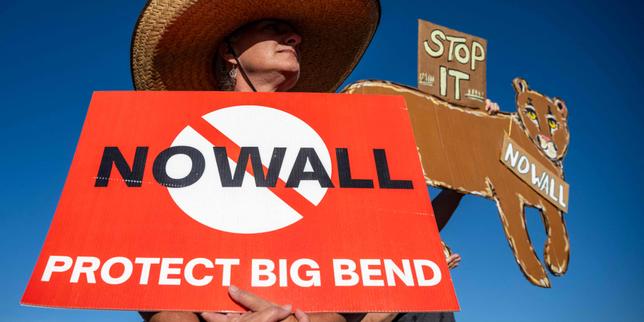
They stood outside the gates, holding handwritten cardboard signs, their breath pluming in the cold morning air. They were strangers united by a singular, burning conviction: that a dog named to represent millions had been betrayed, and that silence was no longer an option.
Cruelty leaves a mark. Sometimes that mark is a physical scar, a jagged line across matted fur or a limb that refuses to bear weight. But the deeper damage—the kind that gnaws at the collective conscience of a community—is invisible. It is the realization that behind closed doors, away from the hum of traffic and the glow of streetlights, a vulnerable life endured terror without a voice to stop it.
When the local animal cruelty investigation was announced, the reaction was swift. People did not simply read the report and turn the page. They stopped. They wept. They demanded answers.
To understand why a crowd gathers for an animal, you have to look past the logistics of the investigation and stare directly into the psychology of empathy. Dogs occupy a strange, sacred space in human society. They are the only creatures that love us more than they love themselves. They do not calculate our flaws, nor do they hold our bad days against us. They offer an unvarnished, radical acceptance.
When someone breaks that trust, the violation feels personal. It feels like an assault on the fragile social contract that says the strong must protect the weak.
Consider what happens when an investigation of this magnitude begins. Investigators step into a sphere of shadow. They look for evidence where none was meant to be found. They interview witnesses whose voices shake with hesitation. They examine veterinary reports filled with clinical jargon that translates, in plain English, to unimaginable suffering.
In these moments, the abstract concept of animal welfare transforms into something raw and immediate. It becomes a test of our shared humanity.
The supporters who gathered outside the facility were not legal experts. Many of them had never set foot inside a courtroom. Yet they understood the stakes intuitively. They knew that a society's true character is revealed by how it treats those who cannot fight back. If cruelty goes unpunished here, in the bright California sun, then the boundary between civilization and barbarism begins to fray.
Justice, in cases involving animal abuse, is notoriously sluggish. The wheels of the law grind with a frustrating deliberation. Warrants must be signed. Evidence must be cataloged. Jurisdiction must be established. Every step is governed by procedural safeguards designed to protect the accused, which often feels to the outside observer like an agonizing delay for the victim.
This friction creates a pressure cooker of public emotion.
People want instant retribution. They want the gates to open and the wrong to be righted by sunset. But the real world does not work that way. Building a watertight animal cruelty case requires meticulous documentation. It requires forensic veterinarians to piece together a timeline from broken bones and damaged tissue. It requires the slow, unglamorous accumulation of facts that can withstand the scrutiny of a defense attorney in a court of law.
The protestors outside the gates knew this frustration intimately. They stood there hour after hour, stamping their feet against the chill, because they understood that impatience could inadvertently compromise the very justice they sought. They had to trust a system that had disappointed them before, even as their hearts raged against its slowness.
There is a heavy price paid by the individuals who carry out these investigations. Animal control officers and specialized detectives do not see the polished, Instagram-ready version of pet ownership. They see the underside. They walk into homes that smell of decay and despair. They encounter animals whose spirits have been systematically crushed.
Imagine walking into a room where a living creature cowers in the darkest corner, shaking at the sound of a human footstep. Imagine seeing the look in those eyes—a mix of ancient loyalty and profound confusion. That image stays with an investigator long after they punch out for the day. It follows them home to dinner tables and quiet bedrooms. It becomes the fuel that drives them through endless piles of paperwork and hostile interviews.
When the public rallies, it lightens that invisible load. It tells the investigators that they are not shouting into the void. It tells them that the community sees the darkness they are wading through and demands a light at the end of it.
The case surrounding the California dog became a focal point not just because of the severity of the alleged abuse, but because it tapped into a broader cultural reckoning. Across the state, lawmakers and advocates have been pushing to reclassify certain acts of animal cruelty, treating them with the severe legal weight they deserve rather than dismissing them as mere property damage.
For decades, the legal system treated animals as chattel—no different legally than a stolen bicycle or a dented fender. That archaic framework is cracking. Slowly, painfully, the law is beginning to recognize sentience. It is acknowledging that pain is pain, regardless of whether the nervous system belongs to a human or a dog.
Yet, changing the statute books is only half the battle. The harder task is changing the culture. Laws can dictate behavior, but only empathy can transform a community.
As the sun began to dip below the horizon, casting long, amber shadows across the pavement, the crowd outside the facility did not disperse. They lit candles. The small, flickering flames illuminated tired faces, stubborn determination, and a shared refusal to let the victim's story be buried under bureaucratic red tape.
No speeches were delivered through megaphones in that final hour. The noise gave way to a reverent hush. In that quiet space, the distance between the protestors and the animal they were fighting for vanished entirely. They were simply breathing the same air, sharing the same grief, and holding the line against cruelty.
The investigation will continue behind closed doors. Attorneys will file motions, judges will weigh evidence, and the legal machinery will turn. But whatever the final verdict brings, something fundamental shifted on those California streets. A message was sent into the ether, carried by the collective will of strangers who decided that one small life mattered enough to fight for.
And somewhere in the dark, the quiet echo of that refusal lingers, waiting for dawn.