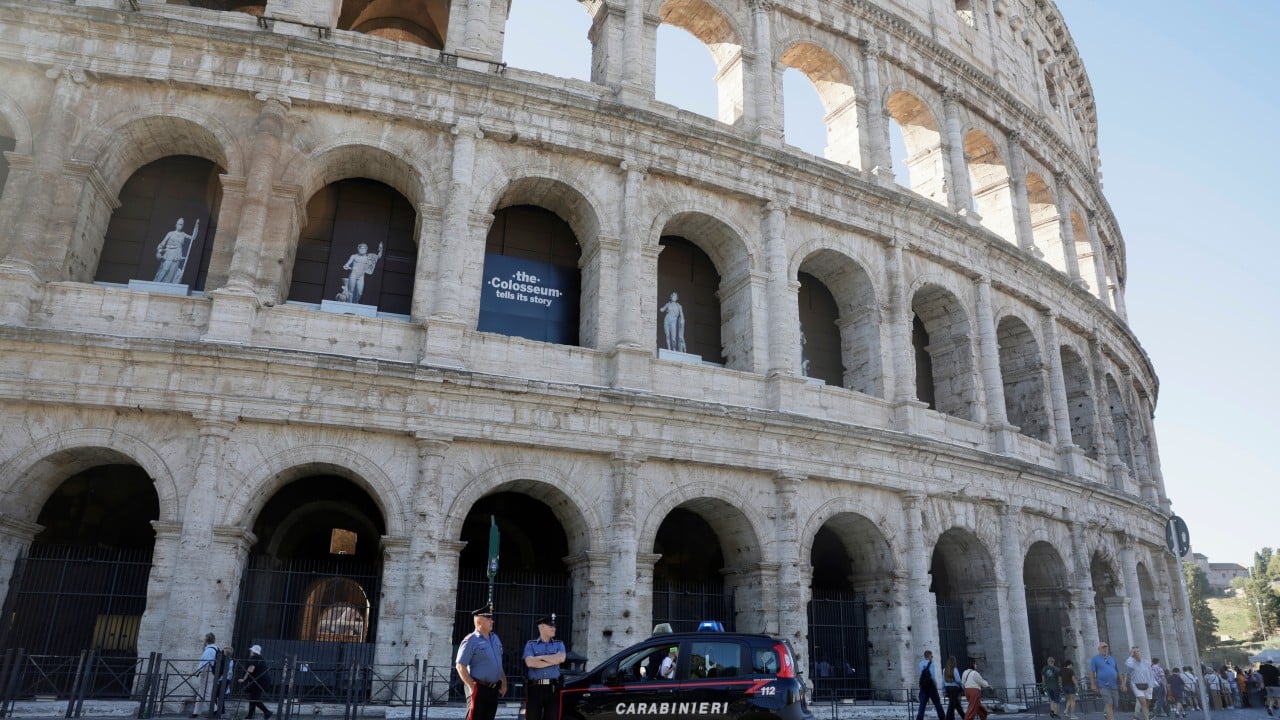
Whenever tragedy strikes a monumental landmark, modern institutional bureaucracy panics into a predictable reflex. Close the gates. Hoist the caution tape. Issue solemn press releases expressing profound grief. Watch the public applaud the superficial display of corporate and civic empathy.
It is a comforting theater of accountability. It is also an absolute sham.
When the Colosseum shuttered its doors following a fatal worker accident, the global media treated the closure as a moral imperative. Commentators framed the suspension of tourism as a sign of respect for human life, a necessary pause for deep reflection on occupational safety in ancient heritage sites.
That narrative is dangerously lazy.
Halting operations at a two-thousand-year-old amphitheater does nothing to fix the systemic decay of structural engineering oversight, nor does it honor the fallen worker. It simply conceals operational negligence behind a velvet rope for a few weeks until the news cycle dies down and the ticket sales can safely resume. If we actually care about worker safety in high-risk historic preservation, closing monuments is a cop-out. We need to examine why modern maintenance culture treats heritage labor as disposable, and why knee-jerk tourism shutdowns are an expensive distraction from real reform.
The Illusion of Safety Through Stagnation
Let us look at how heritage sites operate behind the scenes. Millions of tourists shuffle through the Colosseum daily, staring up at the arches, snapping selfies, completely oblivious to the industrial scaffolding clinging to the crumbling travertine above their heads.
Preserving a ruin of this magnitude is not a museum curator's job. It is heavy civil engineering performed in a hazardous environment. Workers dangle from ropes, operate pneumatic drills near delicate mortar, and haul heavy rigging through subterranean hypogeum tunnels where ventilation is poor and historical restrictions prevent modern heavy machinery from entering.
When a fatal accident occurs, the knee-jerk reaction from municipal authorities is always administrative theater. They suspend tours, launch inquiries, and perform ceremonial safety audits. But an audit conducted by the same bureaucrats who underfunded the maintenance contracts in the first place is worth less than the paper it is printed on.
I have seen public institutions blow millions of dollars on high-profile PR campaigns and digital ticketing turnstiles while cutting corners on the mundane, unsexy budget lines for scaffolding inspection, rigging gear replacement, and certified climber training. The tragedy at the Colosseum was not an act of God. It was the predictable intersection of deferred maintenance, accelerated tourist throughput, and the chronic under-compensation of trade specialists who keep antiquity from collapsing onto the public.
Closing the site punishes the tourists, starves local vendors of revenue, and creates an illusion that justice is being served. Meanwhile, the underlying systemic rot remains entirely untouched.
The Economics of Neglect
To understand why workers keep getting hurt in ancient monuments, you have to follow the money.
The Italian Ministry of Culture and various municipal entities operate under immense financial pressure to maximize visitor volume. Every day the Colosseum is open, it generates massive revenue. Every day it is closed, local hotels, restaurants, and municipal coffers bleed cash. This creates an invisible, brutal incentive structure.
Maintenance must happen fast. It must happen cheap. It must happen around the clock, often crammed into narrow overnight windows when tourists are cleared out.
Imagine a scenario where a rigging crew has four hours to inspect a crumbling tier of arches before the morning ticket rush. The pressure to cut corners is immense. If a foreman pauses work because a winch looks slightly frayed, they risk missing their deadline, blowing the budget, and facing penalties from bureaucratic procurement officers who view safety margins as negotiable bureaucratic hurdles.
When a worker dies under these conditions, blaming bad luck is cowardice. The system is engineered to prioritize continuous revenue extraction over human margins of error. Shutting the doors for a week does not alter that economic equation by a single cent. The moment the gates reopen, the exact same financial pressures will be waiting for the next crew.
Dismantling the Heritage Safety Theatre
If we want to honor workers who lose their lives in the pursuit of preserving our shared history, we have to stop accepting performative outrage. We need structural reform that treats preservation laborers as high-value specialists rather than interchangeable municipal contractors.
First, we must decouple maintenance budgets from tourism revenue targets. If safety inspections require shutting down entire tiers of a monument for months instead of hours, so be it. If the Colosseum cannot be maintained without rushing high-risk industrial labor under punishing deadlines, then visitor capacity must be permanently capped to allow for humane, deliberate engineering windows.
Second, transparency in heritage contracting must become absolute. Right now, subcontracting chains hide who is actually responsible for site safety behind layers of bureaucratic bureaucracy. When an accident happens, liability diffuses across three different agencies and four private contractors until nobody is accountable.
Finally, stop pretending that ancient stones require modern medieval working conditions. We have advanced robotics, laser-guided structural monitoring, and drone-assisted inspection tools that can keep humans out of the deadliest zones. Yet, heritage authorities routinely underinvest in these technologies because they are expensive and invisible to tourists.
The Colosseum survived earthquakes, fires, stone-robbers, and centuries of neglect. It can survive a radical overhaul of its labor practices. But it will never be safe as long as society prefers the comforting fiction of a temporary shutdown over the grueling, unglamorous work of fixing the system.
The next time a monument closes its doors in mourning, do not ask how long the closure will last. Ask who profited from the shortcuts that made it necessary.


