The humidity in Hong Kong doesn’t just sit on your skin; it weightily occupies the lungs. Under the yellowed glow of the flyovers in Sham Shui Po, the air is thick with the smell of exhaust fumes and the faint, metallic tang of the harbor. For most, this is a transit point—a place to hurry through on the way to a clean bed. For others, the concrete is the bed.
Imagine, for a moment, the anatomy of a life reduced to a single nylon bag. In it, you have your HKID card, perhaps a crinkled photograph, a mobile phone with a cracked screen that represents your only bridge to the functioning world, and a few hundred dollars saved for a rainy day in a city where it pours. You sleep with your head resting on this bag because it is not just luggage. It is your fortress.
Then, you wake up. The weight under your neck is gone.
The Predatory Silence
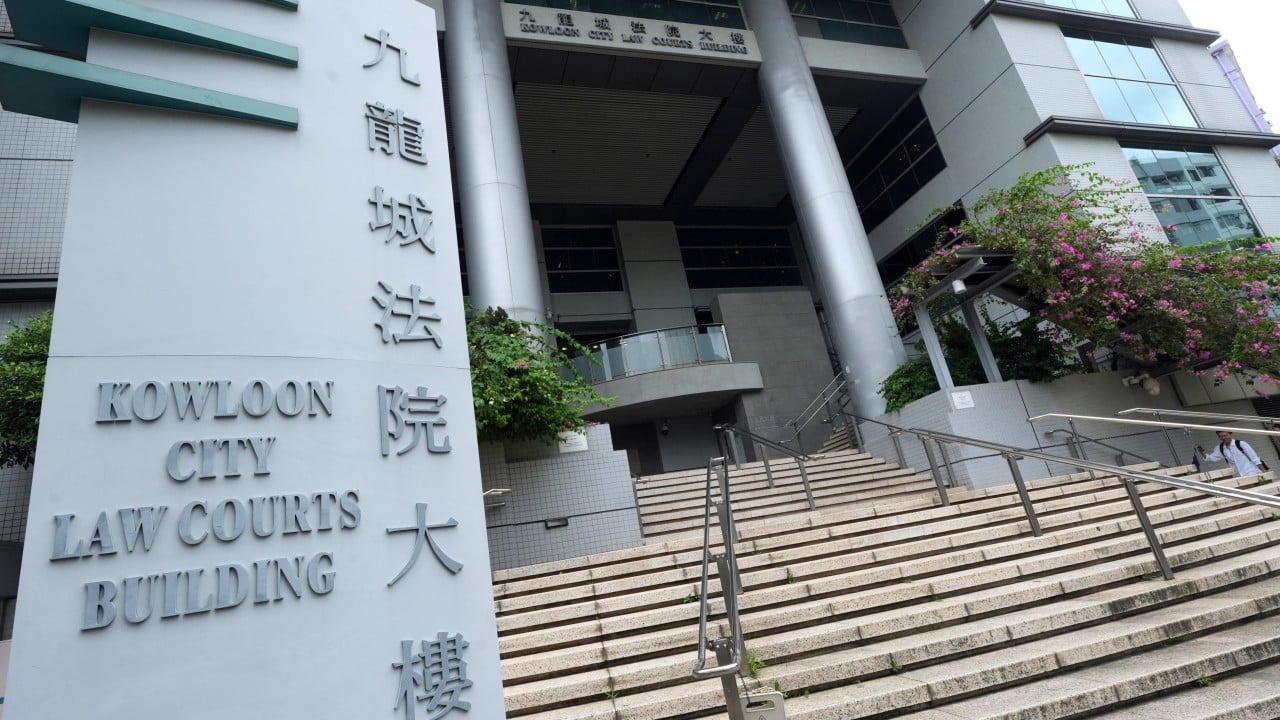
The recent arrests by Hong Kong police of two men, aged 40 and 42, tell a story that is far more jagged than a standard police blotter entry. These weren’t high-stakes heists. There were no shattered windows or alarms. Instead, there was the quiet, calculated exploitation of the vulnerable. The suspects targeted the homeless in the Tsim Sha Tsui and Sham Shui Po districts, waiting for the precise moment when exhaustion finally claimed their victims.
Cruelty requires a specific kind of intimacy. To rob someone who has nothing, you have to get close. You have to watch them breathe. You have to wait until their guard drops in the heavy, humid silence of the 3:00 AM streetscape.
Police reports indicate the duo was linked to at least four cases involving the theft of mobile phones and cash. The total value? Around HK$15,000. In the glittering world of Central’s high-rises, that sum is a rounding error. On the street, it is the difference between a month of meals and absolute, crushing hunger.
The Invisible Stakes
We often talk about theft in terms of property. If a billionaire loses a watch, he has lost an object. When a man sleeping on a flattened cardboard box loses his phone, he loses his identity.
Consider a hypothetical man named Ah-Hei. He is sixty-five. He lost his job as a dishwasher during the last economic dip and couldn't keep up with the rent on a subdivided flat that was barely larger than a coffin. He sleeps near the Cultural Centre. His phone is his lifeline; it’s how he checks if his name has moved up the public housing list. It’s how he receives the occasional message from a daughter who doesn't know he is sleeping outside.
When thieves take that phone, they erase Ah-Hei’s digital footprint. They sever his connection to social services. They steal his hope.
The police operation, led by the Yau Tsim district’s crime unit, wasn't just about recovering plastic and glass. It was an attempt to restore a shattered sense of security to a community that already feels the world has turned its back. The officers tracked the suspects through hours of CCTV footage—sifting through the grainy, blue-tinted ghosts of the city—until they caught them in the act of being human vultures.
A Geography of Desperation
Why these districts? Sham Shui Po and Tsim Sha Tsui represent the two poles of the city’s soul. Tsim Sha Tsui is the facade—the neon, the luxury, the tourists. Sham Shui Po is the engine room—the grit, the history, the poverty.
Both areas offer shadows.
The thieves operated in the gaps between the light. They knew that the people they targeted are often hesitant to call the police. There is a prevailing fear among the homeless that any interaction with authority might lead to being cleared out, moved along, or scrutinized. The predators counted on this silence. They treated the marginalized like a natural resource to be mined.
The logistics of these crimes are hauntingly simple. One man acts as a lookout, blending into the urban background, while the other approaches the sleeper. It takes seconds. A light hand, a quick slide of a zipper, and a life is dismantled.
The recovery of the stolen goods is rarely the end of the story. While the two men now face the weight of the legal system, the victims are left with the psychological tremor that follows violation. When you have no walls, trust is your only ceiling. Once that is taken, the night becomes infinitely darker.
The Cost of the Unseen
What does it say about a city when its most destitute are seen as viable targets? It suggests a breakdown of the social contract that is supposed to protect the weakest among us.
Statistically, crime in Hong Kong remains low compared to other global hubs. But the nature of crime is shifting. It is becoming more opportunistic, focusing on those who cannot fight back. The police have increased patrols in "black spots," but the reality is that the police cannot be everywhere.
The true defense lies in visibility.
When we look at the homeless, we often see a problem to be solved or an eyesore to be avoided. We rarely see them as neighbors. Predators, however, see them very clearly. They see the exact pocket where the wallet is kept. They see the exhaustion in the slump of a shoulder. They see the opportunity in our collective looking-away.
The two suspects were apprehended because the police chose to look. They chose to treat the theft of a few hundred dollars from a street sleeper with the same investigative rigor they might apply to a bank robbery. That matters. It sends a signal that no one is so low that they are beneath the protection of the law.
The concrete under the Sham Shui Po flyover remains hard. The humidity still clings. But for one night, perhaps, the people sleeping there can close their eyes without the crushing certainty that they are being watched by eyes that only see them as a score.
The neon signs of the city continue to flicker, casting long, distorted shadows across the pavement. In those shadows, a silent war is fought every night—not for territory or power, but for the basic right to own the very little one has left. The arrests are a victory, but the bags are still used as pillows. The fortress is still made of nylon.
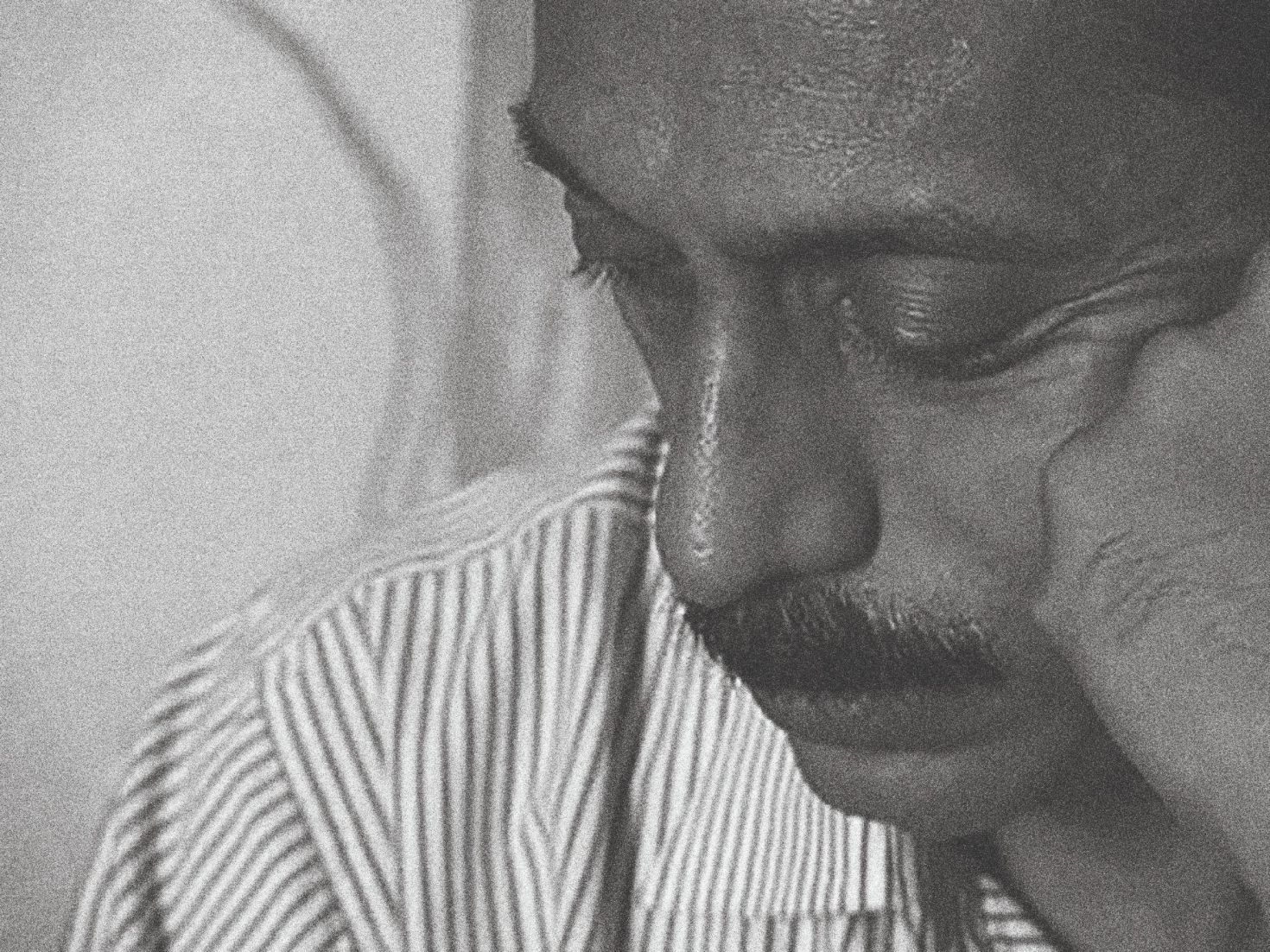
A man sits on a stool near a shuttered storefront, watching the police van pull away. He adjusts the strap of his bag, pulling it tighter against his chest. He doesn't look relieved. He just looks tired. The city breathes around him, indifferent and vast, while he waits for the sun to rise and turn the shadows into something less threatening.