A thirty-one-year-old British woman lost her life in the dead of night on a station platform in Rosenheim, Germany, cut down by a knife attack that transformed a routine transit hub into a crime scene. Federal police officers apprehended a twenty-seven-year-old German man immediately at the location, holding him under suspicion of murder as investigators scrambled to piece together the hours leading up to the violence. Yet, beneath the standard police bulletins and the grim repetition of breaking news, a more troubling narrative persists. Public transit stations across Western Europe have increasingly become vulnerable corridors where transient populations, late-night vulnerabilities, and systemic security gaps intersect with tragic predictability.
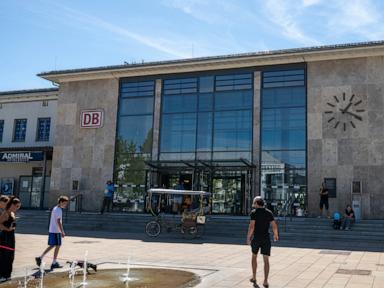
Security on the rails is a complex illusion. Millions of commuters pass through European railway hubs daily, trusting that open access architecture and sporadic patrols equate to safety. Rosenheim, a bustling transit nexus in southern Bavaria connecting domestic routes to major international corridors, shares the open-access vulnerability common to continental railway design. Unlike airports, railway stations are engineered for high-volume permeability. Gates are rare, security checkpoints non-existent, and platforms are accessible to anyone off the street at any hour of the night.
When the clock struck 12:50 AM on that Sunday morning, the platform environment shifted dramatically from a commuter thoroughfare to an isolated expanse. Investigators under the direction of Traunstein prosecutors are currently probing whether the victim and the suspect crossed paths entirely by chance or if an altercation began elsewhere before spilling into the station's underpass. Forensic markers were cleared rapidly to allow early morning trains to resume service, a testament to the relentless operational demands of Deutsche Bahn, but the speed of physical cleanup contrasts sharply with the lingering questions about platform security after midnight.
The suspect, identified under strict German privacy protocols only as a twenty-seven-year-old resident of the nearby Fürstenfeldbruck district, was detained without immediate reports of a prolonged standoff. Federal officers stationed or quickly routed to the area intervened fast enough to secure a suspect, but intervention after the fact offers little solace. Response times matter, yet prevention remains the elusive holy grail of transit authority planning.
Public anxiety regarding knife crime in public spaces has intensified across Europe over recent years. German federal police statistics routinely highlight an upward drift in knife-related offenses in public zones, prompting fierce legislative debates over weapon bans in designated transport hubs. Cities like Munich, Berlin, and smaller regional transit centers like Rosenheim grapple with a dual mandate: keeping networks open and accessible for the workforce while hardening targets against volatile, spontaneous violence.
The privacy laws governing German criminal investigations add another layer of public disconnect. Authorities withheld the identities of both the victim and the detained man, adhering to strict legal frameworks designed to protect the presumption of innocence and personal privacy rights. While legally sound, this opacity often leaves a vacuum filled by speculation, local panic, and a desperate search for answers by a British public looking across the North Sea for security reassurances regarding citizens traveling abroad.
Consular assistance is currently working with the family of the slain British national, navigating the bureaucratic and emotional nightmare of repatriating a loved one lost to sudden violence. Meanwhile, the criminal investigation department in Rosenheim continues its appeal for witnesses, combing through grainy closed-circuit television footage and interviewing late-night travelers who might have caught sight of an argument near the tracks.
Every high-profile transit attack prompts a temporary surge in security theater—increased uniformed patrols for a fortnight, political pledges to review station surveillance, and solemn press releases from rail executives expressing profound shock. The structural vulnerability remains. Open platforms, understaffed midnight shifts, and the unpredictable volatility of individuals slipping through the cracks of social support systems ensure that the next platform tragedy is always a possibility waiting in the dark.