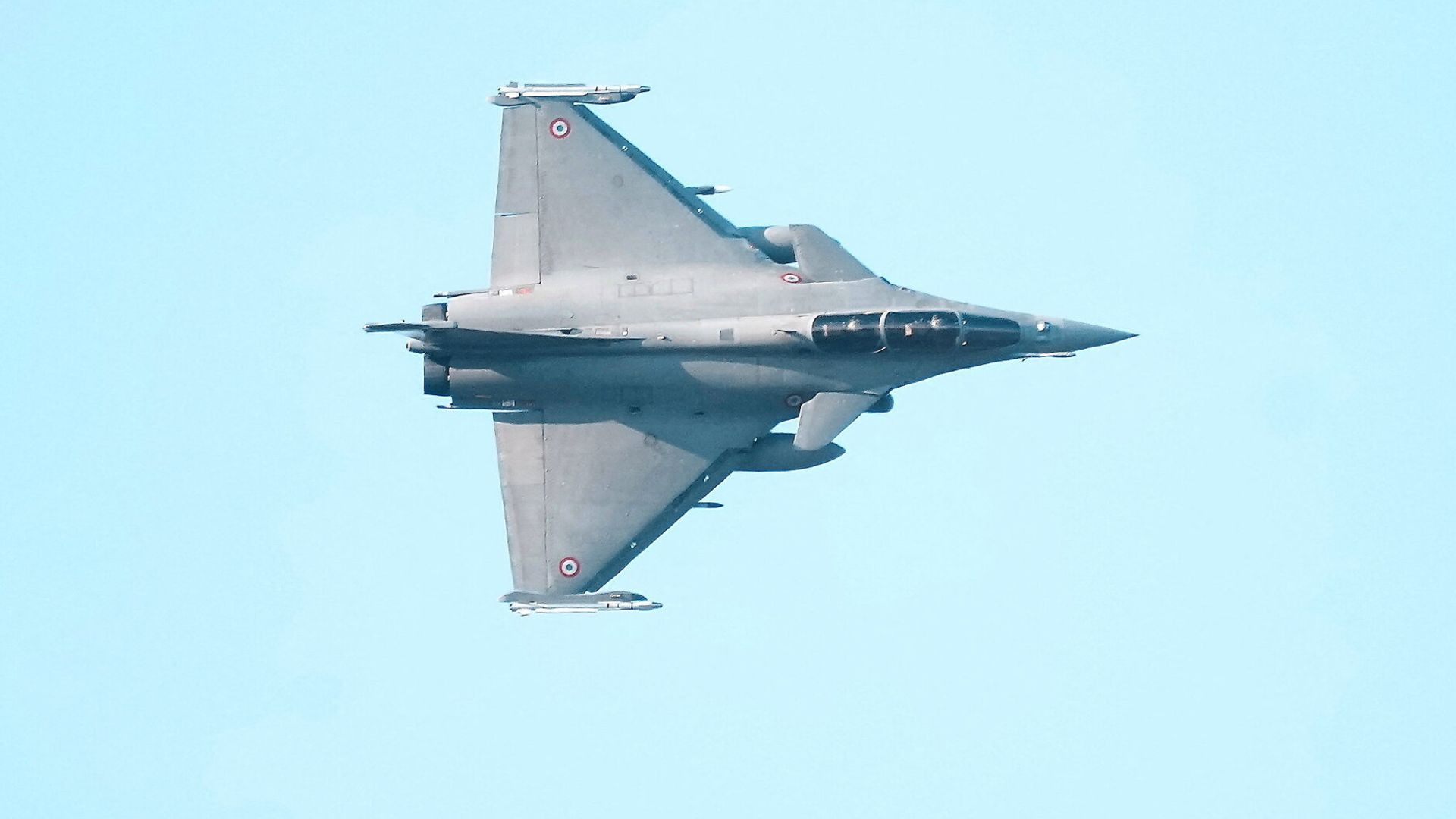
A single precision strike on an Iranian cargo vessel within the volatile corridor of the Strait of Hormuz has left one dead, igniting fresh alarms across international maritime trade routes. While initial reports from Iranian state media focused on the immediate casualty and the physical damage to the ship, the broader implications extend far beyond a localized regional skirmish. This incident marks a dangerous escalation in the shadow war playing out across vital global shipping lanes, where commercial vessels increasingly find themselves caught in the crossfire of geopolitical maneuvering and covert naval operations.
Anatomy of a Chokepoint
The Strait of Hormuz is not merely a body of water; it is the economic jugular vein of the global energy market. Roughly a fifth of the world's petroleum passes through this narrow maritime corridor daily. When a cargo vessel is targeted here, the shockwaves are felt instantly in insurance markets, freight rates, and oil futures.
Maritime security analysts have warned for years that the intersection of commercial shipping and state-sponsored maritime warfare creates an unsustainable vulnerability. Unlike dedicated warships, cargo vessels possess zero defensive architecture. They sail with minimal protection, relying on international maritime law and freedom of navigation principles that hold little weight when regional tensions boil over.
The mechanics of this latest strike point toward a sophisticated level of surveillance and targeting capability. Hitting a specific vessel in crowded waters without collateral damage to third-party tankers requires precise intelligence. Whether deployed via unmanned aerial vehicles or fast attack craft, the operation demonstrates that the theater of operations has expanded to encompass any asset suspected of supporting logistics networks in the region.
The Ripple Effect on Global Supply Chains
Global shipping does not operate in a vacuum. Every time an incident occurs in the Persian Gulf or its surrounding waters, risk underwriters recalculate premiums across the entire Middle Eastern theater. Within hours of the reported strike, maritime insurers began issuing risk advisories, with war-risk premiums seeing immediate upward spikes.
For shipowners and operators, the calculation shifts from economic efficiency to sheer survival. Rerouting vessels around the Cape of Good Hope adds weeks to transit times and drives up fuel consumption, inflating costs that ultimately trickle down to end consumers worldwide. The modern supply chain is engineered for just-in-time delivery, not wartime contingency routing. When chokepoints like the Strait of Hormuz become active combat zones, the friction threatens to break systems that are already strained by macroeconomic pressures.
Furthermore, the ambiguity surrounding attribution creates a regulatory nightmare. In many maritime incidents of this nature, plausible deniability rules the day. State actors rarely claim immediate responsibility, leaving shipping companies to navigate a foggy landscape of unattributed attacks, electronic jamming, and GPS spoofing. Navigational safety relies on predictable communication and transparent maritime domain awareness; both are currently in short supply.
Historical Precedents and the New Normal
We have seen this script before, but the actors and the technology have evolved. During the Tanker War of the 1980s, attacks on commercial shipping in the Persian Gulf became a prominent feature of the Iran-Iraq conflict, prompting multinational escort operations like Operation Earnest Will. Back then, the targets were predominantly crude carriers laden with oil. Today, the scope has broadened to include cargo ships, dry bulk carriers, and auxiliary vessels suspected of dual-use logistical support.
The normalization of maritime harassment and kinetic strikes transforms the operational reality for commercial mariners. Crews sailing under flags of convenience now face combat zone hazards thousands of miles away from traditional battlefields. Naval escorts can mitigate some of the risk, but no military coalition possesses the resources to shadow every single commercial hull traversing the region.
The strategic calculus for regional powers relies precisely on this asymmetry. Disrupting trade without triggering an all-out conventional war has become an art form of modern hybrid conflict. By targeting logistics and cargo capability, belligerents can exert economic leverage while maintaining just enough distance to avoid total escalation.
What Comes Next for Maritime Security
As insurance rates climb and crews refuse hazardous deployments, the pressure mounts on international maritime organizations to establish clearer protection frameworks. Yet, diplomatic solutions remain elusive in an environment defined by deep-seated regional mistrust and competing security architectures.
Commercial operators are left adopting improvised mitigation strategies. Enhanced electronic surveillance, hardening communications against jamming, and altering transit schedules to navigate under the cover of darkness have become standard operating procedure. These measures offer cold comfort to the sailors whose lives are on the line every time their vessels pass through the narrow waters between Oman and Iran.
The strike on the Iranian cargo ship is not an isolated anomaly. It is a symptom of a fracturing international order where the global commons of the sea are increasingly militarized. Until a sustainable diplomatic framework restores baseline security to the region, the Strait of Hormuz will remain a high-stakes gambling table where commercial vessels serve as the chips.