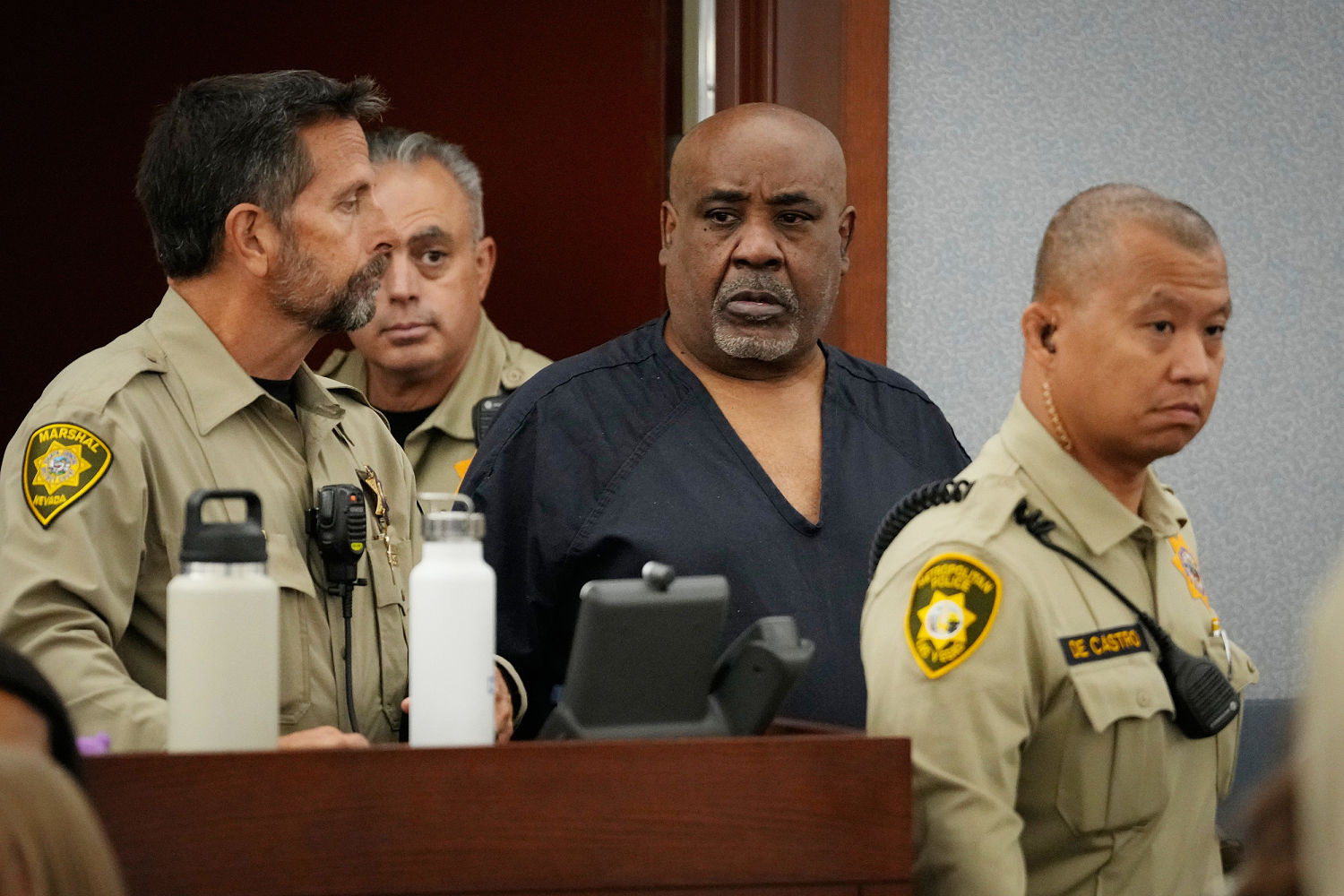
The gavel came down. Forty years to life. Thirty years after a twenty-five-year-old artist bled out on a Las Vegas street corner, the justice system finally secured a conviction. Headlines declared closure. Pundits breathed sighs of relief. The narrative settled neatly into the history books as a triumph of persistence by cold case detectives.
Except it is a masterclass in institutional deflection.
Locking up an aging street figure who spent decades publicly boasting about his involvement on podcasts and in memoirs does not signal a functioning system. It highlights a delayed reaction of historic proportions. Treating this verdict as a victory ignores how the machinery of law enforcement actually operated in the autumn of 1996. The streets knew who was in that white Cadillac within seventy-two hours. Las Vegas investigators had descriptions, vehicle specifics, and immediate neighborhood intelligence. Yet the case languished in administrative purgatory for decades, treated as an unsolvable mystery of urban violence rather than a botched investigation born of systemic apathy.
We live in a culture obsessed with retroactive theater. Society prefers the dopamine hit of a late-stage courtroom drama over the uncomfortable autopsy of institutional failure. When Duane Davis sat on cable networks describing the events in the front passenger seat, he was not breaking new ground for investigators. He was daring them to notice what they chose to ignore because of misplaced priorities and a cultural dismissal of the victims.
To understand why this conviction is an illusion of accountability, look at the mechanics of the original response. In 1996, the investigation treated the homicide of a global superstar through the narrowest possible lens of localized gang retaliation. Detectives chased whispers while ignoring the glaring neon signs pointing directly at South Side Crips affiliations. The institutional muscle did not flex until Davis commercialized his own confession, effectively forcing prosecutors to act only after the statute of limitations on public embarrassment expired.
Blaming a lack of cooperation from witnesses is the eternal shield of a lazy detective bureau. Witnesses did talk. People whispered names in corners, and rumors circulated freely through Compton and Las Vegas alike. The barrier was never a conspiracy of silence among civilians; it was a profound lack of institutional curiosity from agencies that viewed the murder of young Black men in the entertainment industry as a low-priority hazard of the business.
True justice would have meant competent forensics, immediate arrests, and an aggressive prosecution while the evidence was fresh and the network of conspirators was intact. Instead, society receives a ceremonial sentence handed down to a man in his twilight years, framed as a heroic finale. It is not a finale. It is a monument to bureaucratic delay, proving only that if you wait long enough, time will do the work of the prosecutor while everyone pretends the system worked as intended.
The verdict closes a legal file, but it leaves the rot underneath completely untouched. Stop celebrating the machinery for fixing a leak it ignored for thirty years.