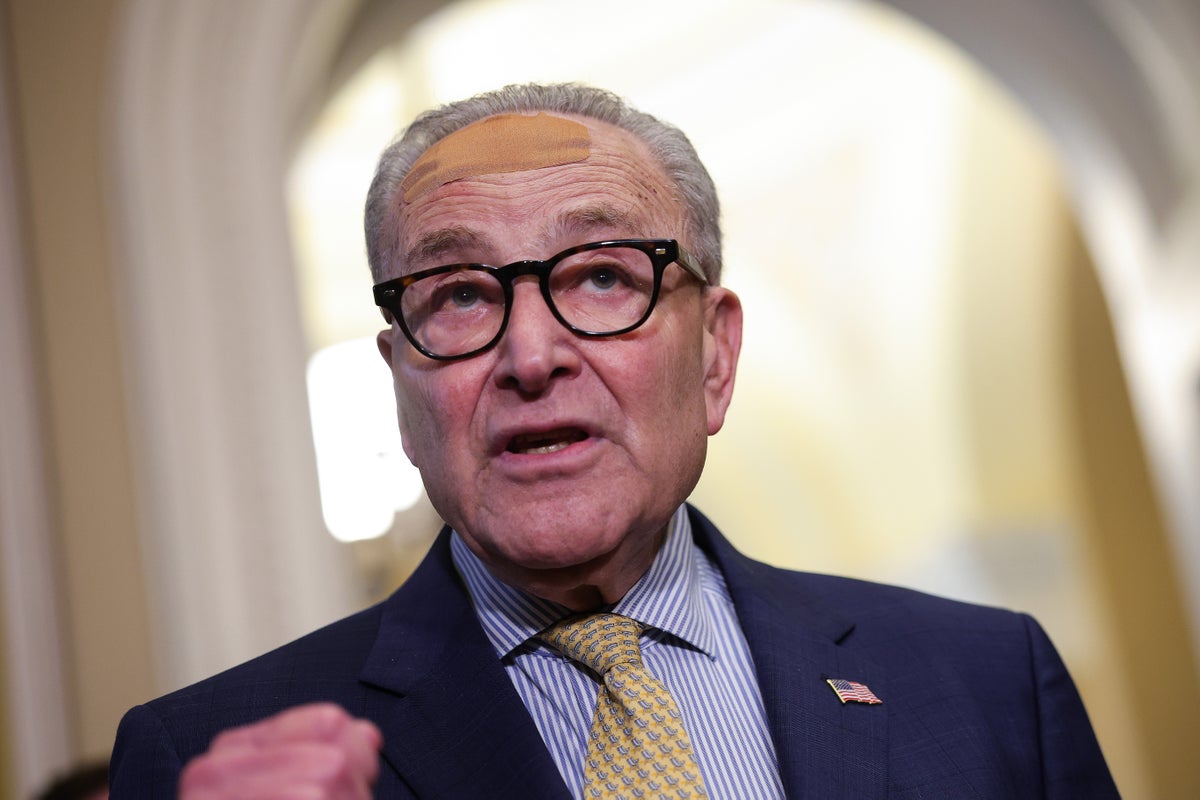
Chuck Schumer is facing a quiet but fierce mutiny from his own ranks. The Senate Majority Leader usually prides himself on being the ultimate party strategist, but his recent track record is making fellow Democrats nervous. They're looking at what happened in Maine with Derek Mills and they don't want a repeat performance. It’s not just a minor disagreement over campaign ads. This is a fundamental shift in how the party handles its most vulnerable races.
The reality is simple. Local candidates know their voters better than a guy from Brooklyn does. When Washington elites try to micromanage a race in a state like Maine or Montana, it often blows up in their faces. Schumer's "New York way" doesn't always translate to the rural North or the Midwest.
The Maine Meltdown and the Derek Mills Disaster
Let’s talk about Derek Mills. His campaign was supposed to be a slam dunk for the Democrats. Instead, it became a case study in how not to run a Senate race. The Democratic Senatorial Campaign Committee (DSCC), which operates under Schumer’s heavy influence, poured millions into the state. They thought they could buy a win with generic attack ads and a pre-packaged platform.
They were wrong. Voters in Maine are famously independent. They can smell a D.C.-scripted campaign from a mile away. By the time Schumer's team realized the messaging wasn't landing, the damage was done. Mills was painted as a puppet for national interests, and he never recovered. Now, other Democratic candidates are looking at those ruins and saying "thanks, but no thanks" to Schumer’s help.
It’s a pattern we’ve seen before. The national party picks a candidate they think is "electable" because they look good on paper and check all the right boxes for donors. They ignore the grassroots favorite who actually has the energy. Then they wonder why they lose.
Schumer's Interventionist Streak is Hurting the Brand
Schumer isn't just a leader; he's a meddler. He loves to get his hands dirty in primaries. He thinks he’s protecting the party from "risky" candidates. But in 2026, the definition of risky has changed. In many states, the biggest risk is appearing like you're part of the Washington machine.
I've talked to several consultants who work on these state-level races. They’re frustrated. One told me that every time Schumer’s team calls, the candidate’s favorability numbers take a hit a week later. The "Schumer effect" is real, and it’s not positive. It gives Republicans an easy target. They don't have to run against the local Democrat; they just run against Chuck.
Democratic Senators are seeing this data too. They aren't stupid. They know that if they want to keep their majority, they have to let candidates be themselves. That means letting them disagree with the national party on certain issues. It means letting them run ads that don't look like they were made in a windowless room in D.C.
Why Local Control Matters More Than National Money
Money is great, but it isn't everything. You can spend $100 million and still lose if the person behind the podium sounds like a robot. Candidates like John Fetterman or Sherrod Brown succeeded because they had a distinct brand that felt authentic to their states. They didn't let the DSCC write their scripts.
When Schumer intervenes, he often forces a one-size-fits-all strategy. He wants everyone talking about the same three talking points. That might work for a press conference in the Capitol, but it's a disaster on the campaign trail.
- Voters want someone who understands their local economy.
- They want someone who shares their values, even if those values don't align 100% with the national platform.
- They want someone they can trust.
Schumer’s involvement undermines that trust. It makes the candidate look like a middle manager instead of a leader.
The Pushback from the Senate Rank and File
The warnings coming from the Senate right now are "stunning" only if you haven't been paying attention. Behind closed doors, there’s a growing movement to strip the leader of his power over the campaign arm. Senators are tired of being told how to win by people who haven't run a competitive race in decades.
This isn't a full-blown coup. Not yet. But it’s a clear message. Schumer is being told to stay out of the way and let the pros in the states do their jobs. If he doesn't listen, he might find himself leading a very small minority after the next election cycle.
The Maine meltdown was the final straw. It showed that the current strategy is broken. You can't just throw money at a problem and expect it to go away. You need a candidate who fits the district. You need a message that resonates locally. And you need a national leader who knows when to shut up and write the checks without any strings attached.
What Happens if Schumer Doesn't Step Back
If Schumer ignores these warnings, expect a lot of public friction. We’re already seeing candidates refuse to appear with him. We're seeing campaigns leak stories about their frustrations with the DSCC. This internal warfare is a gift to the GOP.
Republicans love it when Democrats are divided. They love it even more when they can paint every Democrat as a clone of the New York leadership. Every time Schumer steps into a race, he hands the opposition a ready-made campaign ad.
The smart move for Schumer is to pivot. He needs to become a facilitator, not a director. He should focus on raising the money and let the candidates decide how to spend it. If he can't do that, he's a liability.
How to Save the Democratic Majority
The path forward is actually pretty clear. It requires humility, which isn't exactly a common trait in Washington.
First, the DSCC needs to stop picking favorites in primaries. Let the local voters decide who represents them. Second, stop the cookie-cutter messaging. If a candidate in Ohio needs to talk about trade in a way that differs from the White House, let them. Third, and most importantly, Chuck Schumer needs to be the "invisible man" of the 2026 cycle.
Candidates should be running on their own merits. They should be focused on the issues that keep people up at night in their specific towns. They don't need a chaperone from New York.
Stop looking at the polls in D.C. and start listening to the people on the ground. That's the only way to avoid another Maine-style disaster. If you're a donor or a volunteer, demand that your money goes directly to the campaigns, not through the filters of the national committees. Support candidates who have the backbone to tell the national leadership to back off. The era of the top-down campaign is over. It’s time for Democrats to embrace the chaos of local politics if they want to win.