For half a century, a sprawling plot of land in Southern California has lived in limbo. West Coyote Hills in Fullerton isn't just any piece of dirt. It's a former oil field sitting right in the middle of a massive urban sprawl, surrounded by La Habra, La Mirada, and Buena Park. If you drive past it today, you see rolling hills of coastal sage scrub, old petroleum extraction scars, and a landscape that real estate developers have eyed hungrily for decades.
Right now, a coalition of local residents and conservationists is staring down the final stretch of a grueling 25-year fight to stop development and turn the remaining acreage into a permanent public park. There is just one giant roadblock. They are short $20 million on a $95 million land purchase agreement.
The Anatomy of a Decades-Long Preservation Fight
Grassroots environmental movements rarely happen overnight. They drag on through endless city council meetings, zoning battles, and heartbreaking legal defeats. The fight for West Coyote Hills started in earnest back in 2001. A small group of residents realized that if they didn't organize, the 510-acre property owned by Chevron-Pacific Coast Homes would become a dense maze of suburban track housing and concrete.
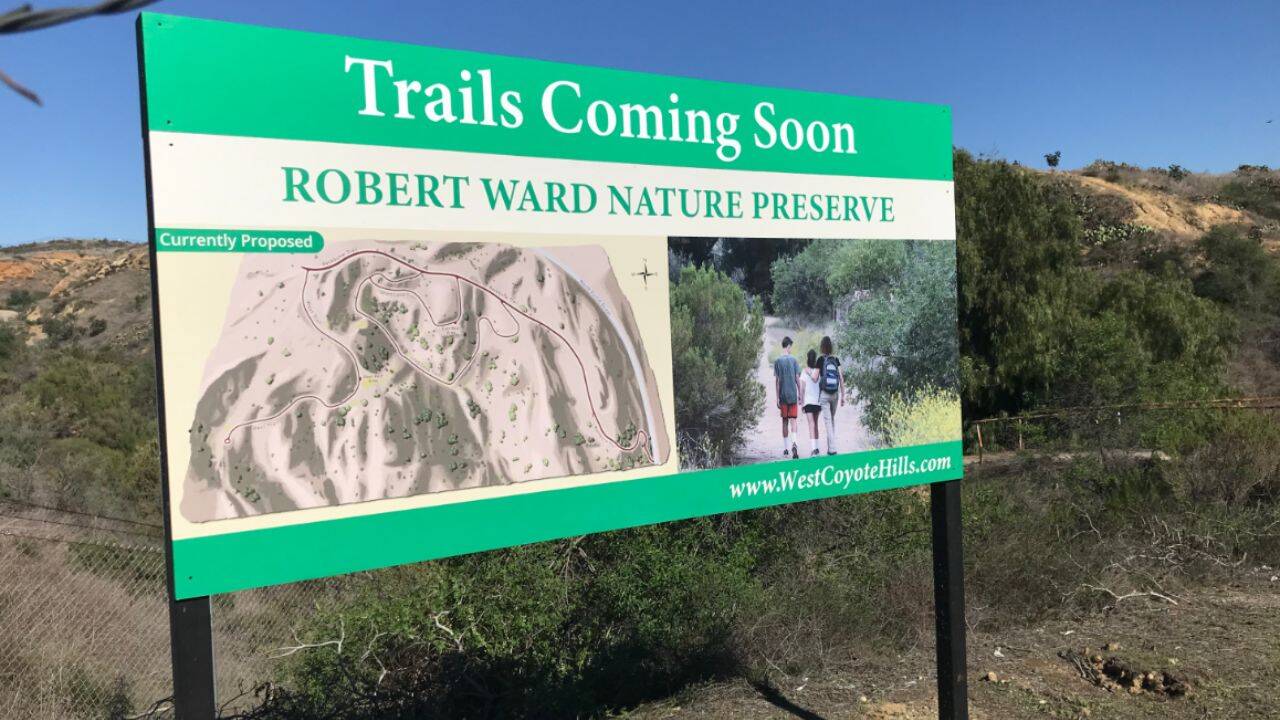
Progress came in agonizingly slow drops. In 2014, activists secured a major density shift that protected about 121 acres. Years later, in December 2021, the City of Fullerton picked up another 24 acres, which eventually paved the way for the Robert E. Ward Nature Preserve. By 2023, over two miles of recreational trails finally opened to the public, giving locals their first legal look at a landscape they had fought to protect for generations.
Even with those victories, the core dilemma remained. Owning a piece of historical oil infrastructure means dealing with massive price tags, complex environmental remediation, and corporate landowners who ultimately answer to shareholders, not local hikers.
Where the $20 Million Funding Gap Comes From
In April 2026, a massive milestone cleared when the State of California approved a Purchase and Sale Agreement allowing the Watershed Conservation Authority to buy the remaining property for $95 million.
The state and various private funders managed to pull together $75 million. That leaves a glaring $20 million funding gap that needs to be bridged before the transaction officially closes between 2026 and 2027.
Raising $20 million in a tight economic climate is no small feat. Conservation groups like Friends of Coyote Hills are scrambling to secure philanthropic donations, state grants, and regional environmental bonds. If they fail to raise the cash, the deal could stall, leaving the door wide open for developers to revive plans that would permanently alter one of the last major open spaces in North Orange County.
Why This Former Oil Field Actually Matters
Skeptics often ask why anyone should care about saving an old, industrial oil patch when housing demand across California is through the roof. The answer lies in ecology and urban survival.
West Coyote Hills is a bona fide biodiversity hotspot. The property supports roughly 56 pairs of threatened California gnatcatchers, making it home to what experts consider the largest population of these birds in Southern California. It is also home to 69 pairs of coastal cactus wrens, alongside endangered species like the least Bell's vireo. In total, about 15 rare, endangered, or sensitive species rely on this specific patch of undeveloped coastal sage scrub.
Beyond wildlife, the topography dictates regional water health. The land serves as one of the largest unpaved portions of the Lower San Gabriel River Watershed. Paving it over with asphalt means massive increases in urban stormwater runoff, which eventually floods downstream communities and damages marine ecosystems along the coast.
How Local Land Battles Shape the Future
Urban conservation fights are shifting. Communities are no longer just fighting against smoke-stack pollution; they are fighting to reclaim industrial leftovers and turn them into natural carbon sinks and community spaces.
If you want to support campaigns like this, paying attention to regional conservation boards is where real change happens. Land acquisition deals live and die by public pressure and legislative funding allocations. When local groups push for bond measures or state appropriations, voter turnout and public comment letters dictate whether politicians prioritize green space or concrete.
The next few months will determine whether West Coyote Hills becomes a template for successful urban rewilding or another missed opportunity lost to real estate development. The clock is ticking down on that $20 million balance, and the outcome will echo for another fifty years.