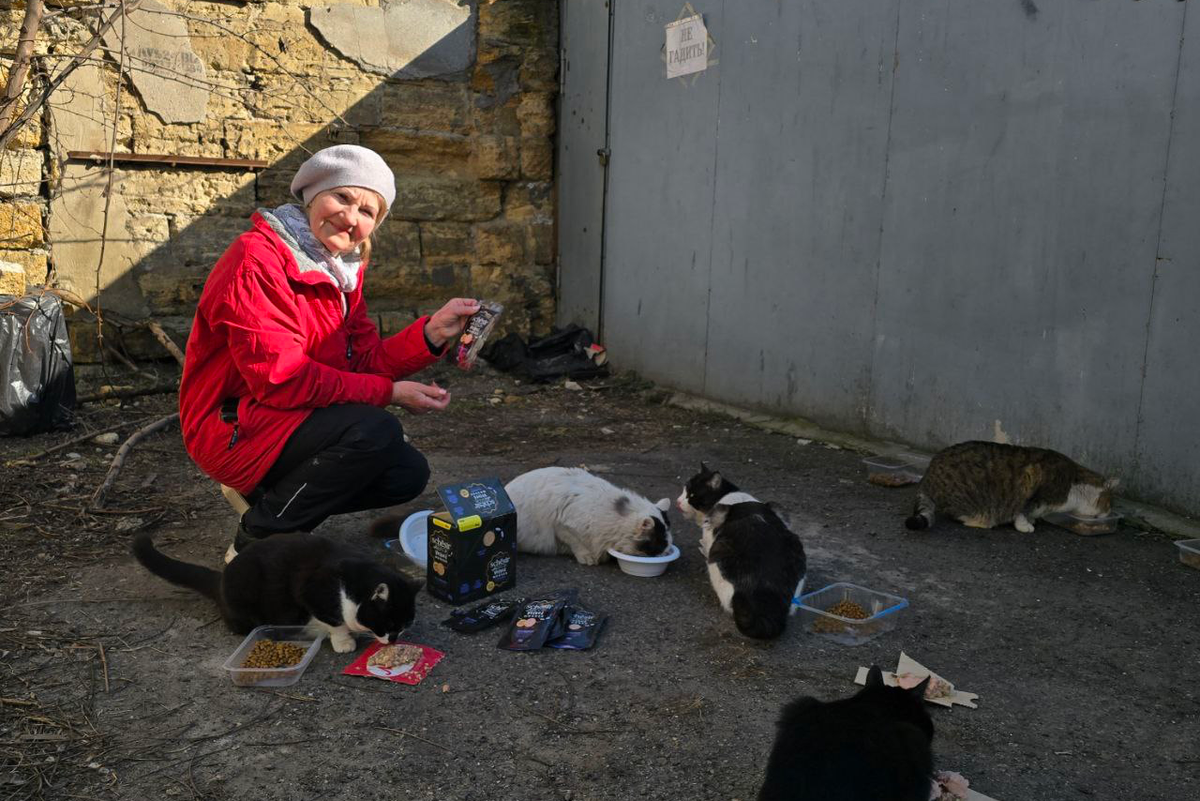
The mainstream media loves a neat, digestible savior narrative. Cue the weeping pensioner in Odesa, surrounded by fifty yowling alley cats, pouring her meager pension into tins of low-grade fish while sirens wail in the distance. The headlines write themselves: resilient babushkas standing between innocent creatures and absolute barbarism. We are told they are the sole barrier keeping civilization from collapsing into canine and feline chaos.
It is a comforting, sentimental lie that completely ignores the biological reality on the ground.
I have spent years watching well-meaning donors throw millions at backyard animal hoarders disguised as sanctuaries in active conflict zones. The lazy consensus is simple: feed the strays, build more makeshift shelters, and praise the elderly women keeping them alive. Nobody asks about the second-order effects. Nobody measures the ecological devastation of artificially inflating apex predator and scavenger populations in a shattered urban environment.
Let us dismantle the myth.
The Humanitarian Fallacy of Urban Menaces
When you subsidize unsterilized street animal populations under the banner of compassion, you are not saving lives. You are creating a biological trap. Odesa is a port city under immense geopolitical strain. Resources are finite. Medical supplies are prioritized for humans. Yet international donors wire thousands of dollars to private individuals who hoard hundreds of cats and dogs in cramped apartments or makeshift courtyards, operating outside veterinary oversight or population control protocols.
This is not animal welfare. It is localized ecological terrorism disguised as kindness.
Unchecked stray populations in urban centers do not exist in a vacuum. They spread zoonotic diseases, disrupt local bird populations, contaminate water runoff, and create aggressive packs that terrorize residents who are already dealing with the psychological toll of war. When a pack of forty semi-feral dogs rules a residential courtyard because a local grandmother thinks she is doing God’s work by feeding them scraps, public health crumbles.
The standard counter-argument claims that these animals are victims of war and deserve our absolute protection. That emotional blackmail falls apart the moment a rabid dog bites a child hiding in a basement shelter. Compassion without strategy is just sentimental destruction.
The Market Mechanics of Misguided Donations
Follow the money and you find an unregulated cottage industry. Western donors feel helpless watching geopolitical atrocities unfold on their phones. Giving fifty dollars to a charismatic grandmother on social media with a photo of a three-legged cat provides an immediate, synthetic dopamine hit of agency.
It cures the donor's guilt. It does nothing for the animal, and it actively harms the community.
Professional animal rescue in a war zone requires cold, hard logistics: large-scale Trap-Neuter-Return programs, mass vaccination campaigns, triage protocols, and hard decisions about euthanasia for animals suffering from untreatable trauma or illness. Handing cash to well-meaning amateurs who collect every breathing quadruped they find guarantees infinite suffering. The animals live in squalor, disease runs rampant through the packs, and the mortality rate inside these unregulated private shelters is staggering.
We refuse to talk about the hoarding psychology because it ruins the Hallmark movie aesthetic. But pretending that elderly women with good intentions are effective municipal infrastructure planners is journalistic malpractice.
What Real Animal Defense Looks Like
If you actually care about stray animals in Ukraine, stop funding emotional band-aids. Stop wiring money to backyard hoarders who post tear-jerking videos every time a missile lands near their neighborhood.
Real intervention looks unglamorous. It looks like militarized logistics for mobile veterinary units. It looks like funding industrial-scale sterilization clinics that process hundreds of animals a day rather than keeping fifty pets in a damp cellar. It looks like municipal coordination with local authorities to manage public health risks instead of treating every stray as an untouchable sacred cow.
The grandmother in Odesa feeding cats on her porch is a symptom of a failed state apparatus and broken international aid distribution. Admiring her dedication while ignoring the systemic disaster she is exacerbating is cowardice.
The animals deserve better than slow starvation in a concrete box wrapped in a sentimental narrative. The city deserves better than biological hazards masked as charity.
Stop funding the symptom. Fix the system. Or get out of the way.


