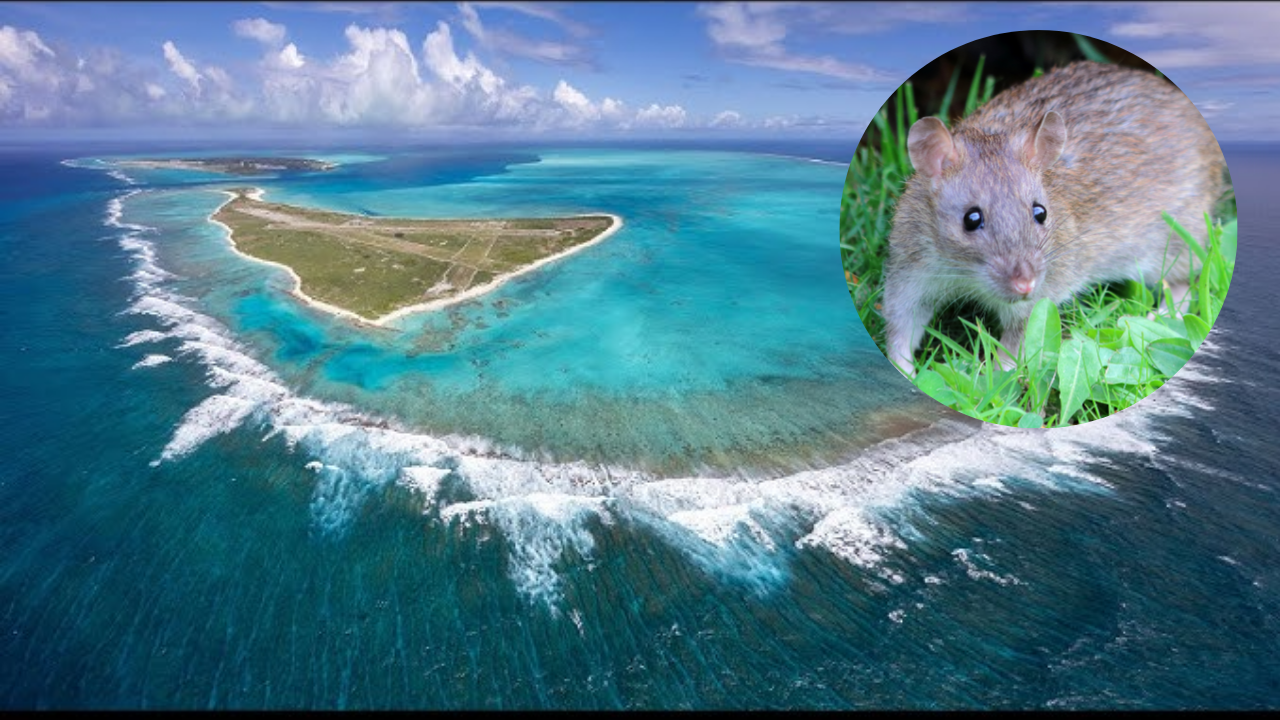
Conservation loves a clean narrative. You bring in helicopters, you drop tons of specialized rodenticide pellets over an island, you wipe out the rats, and you throw a massive party for the returning seabirds. That is the comforting bedtime story conservation groups sell to donors. Midway Atoll stands as the textbook example of this grand success. Bonin petrels plummeted to fewer than five thousand nesting pairs while introduced mice and rats treated the sanctuary like an all-you-can-eat buffet. Then came the eradication hammer in 2018. The rodents vanished. The petrels bounced back. Cue the applause.
Here is the inconvenient reality nobody wants to whisper in polite biological circles: we are treating acute symptoms while ignoring systemic organ failure.
I have spent decades watching massive environmental campaigns celebrate single-variable victories while the broader ecosystem silently unravels around them. We pop champagne over a rodent eradication milestone while ignoring that the entire Pacific basin is heating up, invasive weeds are choking out native bunchgrass, and rising sea levels are systematically drowning the low-lying sand spits these birds depend on. Eradicating rats from Midway is the ecological equivalent of putting a fresh coat of paint on a house with a rotting foundation. It feels productive, but it changes nothing about the ultimate trajectory.
The Lazy Consensus of Island Restoration
The prevailing orthodoxy in island restoration goes like this: remove the non-native predator, restore historical baseline conditions, and walk away to let nature heal. This model treats ecosystems like vintage cars. You swap out the broken foreign part, turn the ignition, and expect it to run just like it did in 1904.
Nature does not work that way.
When Midway Atoll cleared out its invasive roof rats and house mice, conservationists acted as though the clock rolled backward to a pristine past. They ignored a fundamental law of modern ecology: novel ecosystems cannot revert to historical baselines because the baseline itself has ceased to exist. Climate change is rewriting weather patterns, changing ocean upwelling zones, and altering food webs at a molecular level. Bonin petrels might have more room to nest today because their eggs are no longer being chewed by rodents, but what happens when a severe storm surge sweeps across an atoll sitting barely a few feet above high tide?
The eradication was a necessary step, sure. But treating it as a permanent fix is professional malpractice. We spent millions of dollars and countless hours engineering a temporary sanctuary on a geological formation that is actively sinking and baking under a warming ocean.
The Trap of Single-Species Metrics
Environmental organizations are addicted to vanity metrics. They need a clean, countable success story to put in the annual report. "Petrel pairs up by three hundred percent" looks incredible on a glossy brochure. It triggers immediate dopamine hits for donors and secures the next round of grant funding.
Meanwhile, the holistic health of the marine ecosystem surrounding the atoll is deteriorating. Seabirds do not live in a vacuum; they are flying barometers of ocean health. A Bonin petrel spends most of its life at sea, foraging on squid and small fish driven to the surface by predatory pelagic species like tuna. If the open ocean is overfished, acidic, and warming past tolerance thresholds, saving a breeding ground on a sandbar solves only half the equation.
Focusing exclusively on terrestrial predator removal creates a dangerous blind spot. It breeds complacency. It lets land managers check a box and declare victory while the broader pelagic food web collapses beneath the birds they worked so hard to protect. If the squid vanish because of commercial overexploitation or temperature shifts, an empty rat trap will not stop the petrels from starving to death.
Rethinking the Playbook
If we want to move past conservation theater, we have to stop treating island eradications as the finish line. They are merely the entry fee.
First, we must abandon the delusion of historical restoration. We are not restoring past ecosystems; we are actively curating life support systems for the Anthropocene. That means planting species resilient to thermal stress, managing artificial water sources, and preparing for inevitable coastal erosion that mechanical rodent traps cannot stop.
Second, funding models need a radical overhaul. We must tie terrestrial conservation dollars directly to marine spatial management. Protecting a nesting site while letting industrial fishing fleets strip-mine the surrounding feeding grounds is pure absurdity.
Stop celebrating the easy wins just because they photograph well from a helicopter. Midway proved we can kill rats on a remote island. Now let us see if we have the stomach to face the systemic threats we cannot poison away.