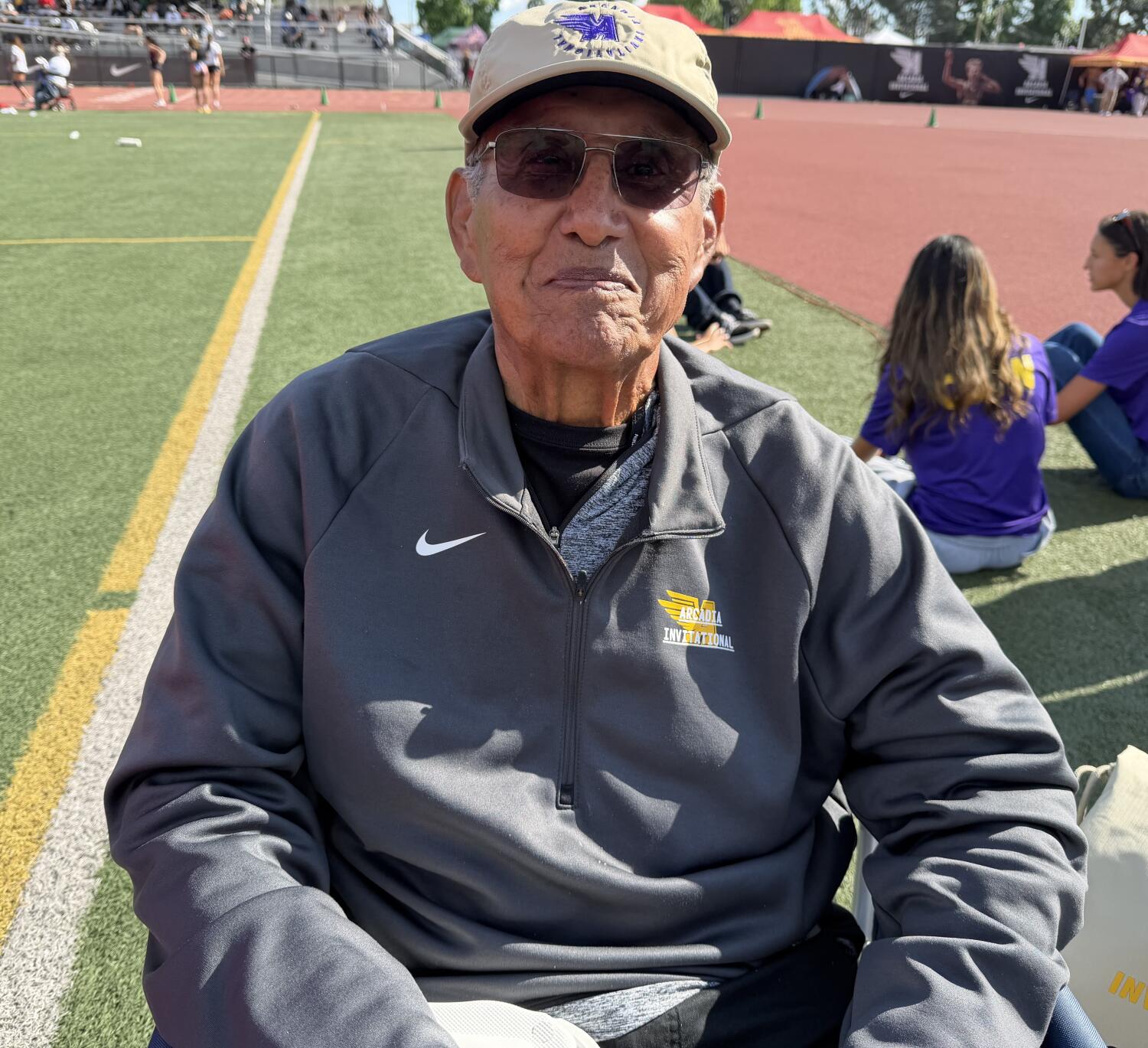
Saul Pacheco doesn't care about the spotlight. He cares about the sound of the gun. Most people wouldn't associate the quiet, rhythmic duty of a track starter with the high-stakes chaos of jumping out of planes in the military, but for Saul, the connection is visceral. He’s spent 49 years standing at the starting line, a figure of absolute authority in a sport defined by milliseconds. It isn’t just a hobby. It’s a decades-long commitment to the integrity of the race.
You don't stay in any job for nearly half a century unless you find a soul-deep satisfaction in the mechanics of it. Track and field is often viewed through the lens of the athletes—the sprinters with their explosive power or the distance runners with their grit. But the starter is the heartbeat of the meet. They’re the ones who handle the tension. Saul’s transition from the 82nd Airborne Division to the starting line of a high school or collegiate track meet isn't as strange as it sounds. Both roles require a calm mind under pressure.
Life at 13,000 Feet and Why It Matters
Before he was the man with the pistol, Saul was a paratrooper. When you’re standing at the open door of a C-130, the world looks different. There’s no room for hesitation. If you’re off by a second, the mission changes. That military discipline is exactly what makes a world-class track official.
I’ve seen plenty of starters who get flustered when a runner flinches or a crowd gets too loud. Saul doesn’t. He learned early on that control is everything. When he came home, he didn't look for a desk job to hide away in. He looked for a way to stay connected to that sense of precision. Track and field provided the perfect outlet.
The 82nd Airborne is famous for its "All-American" status and its history of being the first to respond to global crises. That culture of readiness stays with a person. When Saul stands behind the blocks today, he’s still that paratrooper. He’s waiting for the right moment. He’s ensuring every detail is perfect before the "go."
The Art of the Start
Starting a race isn't just about pulling a trigger. That's a common mistake people make when they watch a meet. A bad starter can ruin years of an athlete’s training in a single breath. If you hold them too long, their muscles cramp and their oxygen levels dip. If you fire too fast, you catch them off-balance.
Saul understands the psychology of the sprinter. He knows they’re a bundle of nerves and twitch fibers. His job is to be the steady hand that guides that energy into a fair start.
- The Set Position: This is where the magic happens. The starter has to wait for every single athlete to be perfectly still.
- The Sound: It’s not just about the bang. It’s about the consistency of the command.
- The Eye: You have to see eight lanes at once. It’s a peripheral vision game.
Honestly, most officials quit after a decade. The pay isn't great. The hours are long. You’re standing in the sun, the rain, or the biting wind of a March afternoon in the Midwest or the scorching heat of a California summer. Saul stayed. He stayed because he loves the kids and he loves the purity of the sport.
Forty Nine Years of Changes
Think about how much the world changed between 1975 and today. When Saul started, tracks were often made of cinders. Timing was done by hand with stopwatches that could be off by a tenth of a second. Now, we have synthetic surfaces and fully automatic timing (FAT) systems that link directly to the starter's pistol.
Saul saw it all. He adapted. While some older officials grumble about the new technology or the "attitude" of modern athletes, Saul just kept showing up. He’s a bridge between the old school and the new era. He treats a freshman in their first ever 100-meter dash with the same respect he gives a collegiate star. That’s why he’s a legend in the coaching circles.
Coaches want Saul at their meets. They know he’s fair. They know he won't be the story. A great starter is like a great referee—if you don't notice them, they did an incredible job.
Why We Need the Saul Pachecos of the World
Youth sports are currently facing a massive shortage of officials. People are tired of being yelled at by parents. They’re tired of the logistical headaches. We’re losing the "lifers."
Saul’s story is a reminder that officiating is a service. It’s a way to give back to a community that shaped you. He didn't need the glory of the jump anymore. He found a new way to contribute. He’s a mentor now, whether he realizes it or not. Every time he helps a nervous kid adjust their blocks, he’s passing on a legacy of sportsmanship.
It’s about the routine. The smell of the gunpowder. The silence that falls over a stadium right before the gun goes off. For Saul, that silence is where he belongs. It’s the same silence he felt right before he stepped out of those planes decades ago.
How to Get Involved in Track Officiating
If you’re inspired by a guy like Saul, don't just sit there. The sport needs you. You don't have to be an elite athlete to be a great official. You just need a thick skin and a love for the game.
- Check your state’s high school athletic association. They all have "Become an Official" pages.
- Find a local track club. They’re always looking for help at developmental meets.
- Get certified. USATF (USA Track & Field) offers clinics for officials at all levels.
- Shadow a veteran. If you’re lucky enough to find someone like Saul, watch them. Notice how they carry themselves.
Don't overthink it. Just show up. The track is waiting, and there are thousands of kids who need a fair start. Grab a whistle or a starter's sleeve and get to work. You might not do it for 49 years, but even one season makes a difference. Saul Pacheco proved that one man with a pistol and a sense of duty can shape the lives of generations of runners. That’s a legacy worth chasing.