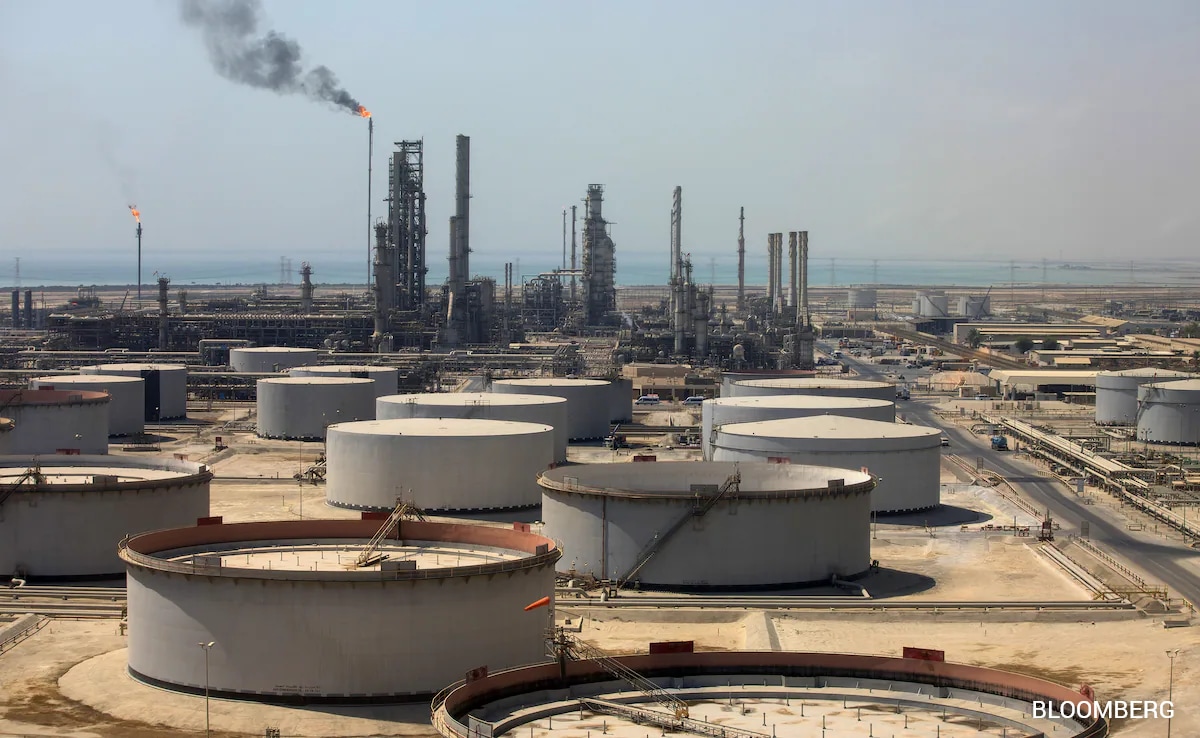
Saudi Arabia just flipped the switch on its global energy strategy. It isn’t a minor tweak. The recent shift in Saudi oil output capacity and the throttling of pipeline flows signals a fundamental change in how the Kingdom views its role as the world’s "central bank of oil." If you think this is just about today's pump prices, you’re missing the bigger picture. Riyadh is preparing for a world where holding massive, idle production capacity is an expensive luxury they no longer want to subsidize.
This isn't just theory. When Saudi Aramco halted its plans to expand maximum sustainable capacity (MSC) from 12 million to 13 million barrels per day (bpd), the shockwaves hit every energy desk from London to Singapore. For decades, the world relied on that extra million barrels as a safety net. Now, that net is being pulled back.
The end of the spare capacity cushion
Why stop at 12 million? It’s a question of cold, hard math. Expanding capacity costs billions. If the world is screaming about an energy transition while simultaneously demanding cheap oil, the Saudis have decided they won't foot the bill for infrastructure that might sit empty. They're prioritizing value over volume.
By capping capacity, Saudi Arabia is essentially telling the market that the era of "just-in-case" supply is over. This creates a permanent floor for prices. When demand spikes or a geopolitical crisis hits—think Red Sea tensions or outages in Libya—there’s less of a buffer to prevent price spikes. It's a calculated move to keep the market tight.
I've seen this play out before. In previous cycles, the Kingdom would pump more to keep competitors at bay. Not anymore. They're now focused on funding Vision 2030, their massive economic overhaul. You can’t build $500 billion futuristic cities like NEOM if oil is stuck at $60. They need $80 or $90, and they’re willing to sacrifice production volume to get there.
Pipeline flows and the shift to the East
The reduction in pipeline flows isn't just about cutting supply; it’s about where that supply goes. We’re seeing a massive redirection of crude away from Western markets and toward Asia. Specifically, flows through the East-West Pipeline—which bypasses the treacherous Strait of Hormuz—are being managed with surgical precision.
This isn't a random logistical choice. It’s a geopolitical statement. By controlling the flow through these internal arteries, Saudi Aramco can dictate which refineries get fed and which go hungry. Europe, once a primary destination, is finding itself lower on the priority list. China and India are the new kings of demand.
It's also about risk management. The Middle East remains a powder keg. Pipelines are vulnerable. By moderating flows and focusing on domestic refining, the Kingdom reduces its exposure to maritime disruptions. They're turning crude into high-value chemicals and fuels at home rather than just shipping raw rocks of energy abroad. It's smarter business.
Why the supply risk is actually a strategy
The term "supply risk" sounds scary to consumers. For a producer, it’s a tool. By keeping the market in a state of slight anxiety, Saudi Arabia maintains its leverage. If the world knows there is a massive surplus ready to hit the market at a moment's notice, prices stay depressed. If that surplus is capped, every small disruption matters more.
The International Energy Agency (IEA) has been vocal about the need for more investment in supply. Yet, the Saudis are looking at the data and seeing a different story. They see US shale peaking. They see underinvestment in African oil fields. They know that by standing still, they actually become more powerful.
- Current Capacity: Stalled at 12 million bpd.
- Actual Production: Often hovered around 9 million bpd due to OPEC+ cuts.
- The Gap: That 3-million-barrel "spare" capacity is the only thing keeping global markets from a total meltdown during a crisis.
When that gap narrows because they refuse to expand, the "risk" isn't a mistake. It’s the point.
Navigating the new energy reality
If you're an investor or a business owner, you can't ignore this. The days of predictable, cheap energy are dying. We’re entering a period of managed scarcity. Saudi Arabia is no longer acting as the world’s safety valve. They're acting like a corporation focused on its own balance sheet.
Don't expect them to blink. Even with pressure from Washington to lower prices during election cycles, the Kingdom has stayed firm. They've learned that political gratitude is fleeting, but a sovereign wealth fund is forever.
Keep a close eye on the official selling prices (OSPs) they set each month. These aren't just numbers; they’re a pulse check on global demand. If they’re raising prices for Asia while cutting flows, it’s a sign they see a recovery that the West hasn't acknowledged yet.
Watch the inventory levels in the US and Europe. As Saudi flows stay restricted, these inventories will draw down faster than people expect. You should be looking at energy stocks and commodities as a hedge against this structural shift. This isn't a temporary blip. It's the new baseline. Stop waiting for the "old normal" to come back. It’s gone. Start positioning for a market where the world's biggest producer is intentionally keeping its foot off the gas.