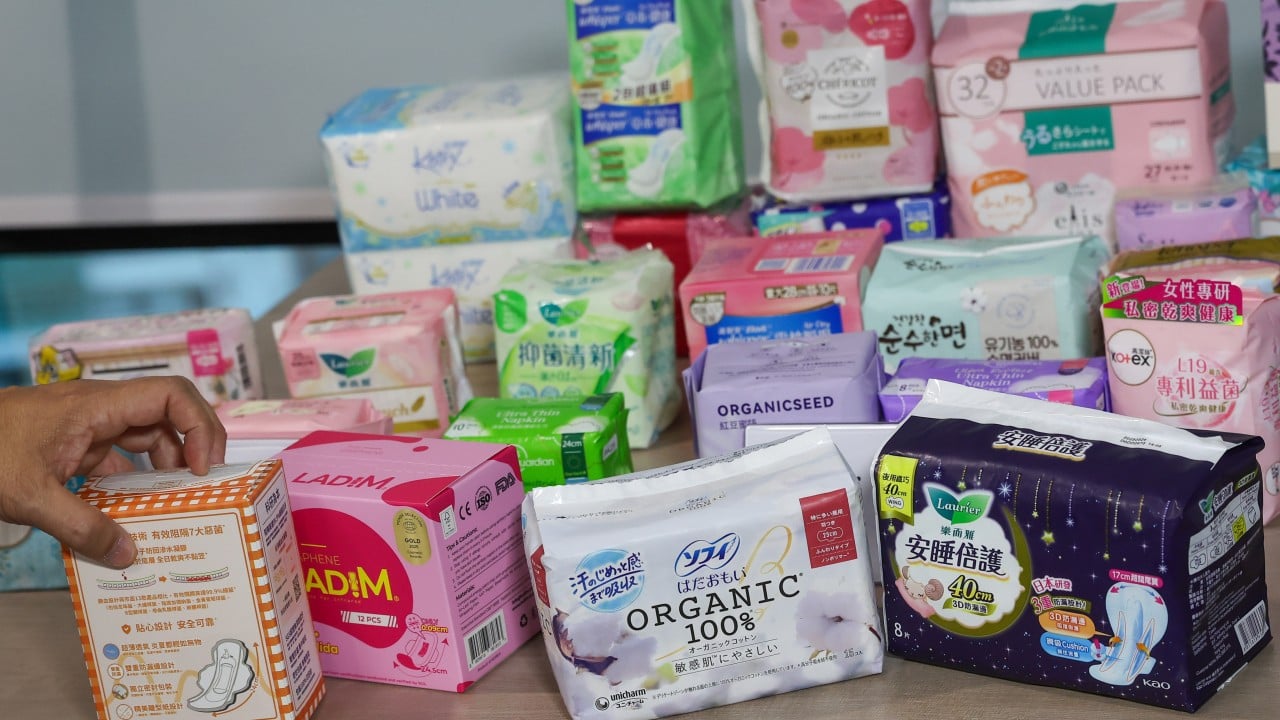
Walk down any supermarket personal care aisle and you will find walls of brightly colored packaging promising maximum protection, leak-proof security, and absolute comfort. Manufacturers love throwing around vague percentages and stylized water droplet icons to show how well their products perform. But when actual testing hits the lab, the reality is far messier. Recent consumer surveys and testing reports have exposed massive gaps in how sanitary pads handle liquid, alongside a widespread failure to provide transparent labeling that consumers can actually trust.
When you spend your hard-earned money on a period product, you expect it to function the way the box claims. Unfortunately, standard testing reveals that over half of commercial sanitary pads on the market suffer from severe labeling deficiencies and dramatic performance variances. Some absorb moisture instantly, while others pool liquid on the surface for crucial seconds, leading to immediate leaks during heavy flow days.
Let's look at why this happens, what the tests actually uncover, and how you can spot the marketing fluff before buying your next pack.
The Absorption Speed Gap
Not all absorbent cores are created equal. When consumer watchdogs test pads for absorption speed, they drop synthetic blood or saline solution onto the surface and measure how many seconds it takes for the top layer to draw the liquid completely away.
The differences are staggering. High-performing pads clear the surface in under two seconds. Low-performing budget brands or overly compressed generic options can take ten seconds or longer. Ten seconds might not sound like a long time on paper, but during a heavy surge, ten seconds is the exact window between a secure feeling and an embarrassing accident.
Manufacturers achieve fast absorption by using specific distribution layers—often made of specialized non-woven fabrics or wood pulp arrangements—that pull moisture downward instantly. Cheap pads skip these secondary layers to cut production costs, leaving you with a thick pad that looks protective on the outside but fails at the mechanical level where it counts.
The Labeling Blind Spot
Performance is only half the battle. The bigger issue uncovered by recent market surveys is how poorly these products are labelled. Walk past the marketing claims on the front of the box and try to find out what materials actually touch your skin. Good luck.
Most packaging hides behind proprietary terms. You see phrases like "dry-weave cover" or "odor-neutralizing core," but you rarely see an exact breakdown of plastics, fragrances, superabsorbent polymers, or elemental chlorine-free bleaching agents.
Consumers deserve to know if a product uses plastic netting that causes friction and irritation or a softer cotton-blend top sheet. Yet, regulatory bodies often treat sanitary products as general consumer goods rather than medical devices, meaning strict ingredient disclosure rules do not apply in the same way they do for cosmetics or food.
Worse yet, absorption capacity ratings are notoriously inconsistent. One brand's "heavy" rating might hold less fluid than another brand's "regular" rating. Without a standardized industry metric for absorption volume and speed, consumers are forced to play expensive trial-and-error games with their personal hygiene.
How Fragrances and Additives Mask Poor Performance
To compensate for slow absorption or cheap materials, many brands load their pads with synthetic fragrances and chemical deodorizers. This is a massive red flag.
Fragrances do not stop leaks. They simply mask odors using chemicals that can disrupt vaginal pH and trigger contact dermatitis or severe allergic reactions. When a pad absorbs liquid slowly, moisture sits against the skin longer, increasing the risk of irritation. Add artificial scents to that trapped moisture mixture, and you have a recipe for discomfort.
If a product needs a heavy perfume scent to keep you feeling fresh, the core materials aren't doing their job properly. Look for unscented, breathable alternatives whenever possible.
What You Can Do About It
You shouldn't need an engineering degree to buy reliable period care. Since manufacturers and regulators are dragging their feet on standardization, you have to adopt a few street-smart habits when choosing your products.
First, stop trusting front-of-box marketing buzzwords. Ignore claims of "ultra-protection" unless the back of the pack provides concrete details about the layers and materials used.
Second, pay attention to the top sheet material. If you experience chronic irritation, ditch plastic-heavy mesh dry-weave tops in favor of 100% organic cotton surfaces. They absorb slightly differently, but they are dramatically kinder to sensitive skin.
Third, test different styles in controlled settings before trusting them on long workdays or travel days. Buy small packs instead of bulk boxes until you find a brand that actually matches your flow speed.
Period care is a basic health necessity, not a luxury cosmetics category. Until transparency and strict absorption benchmarks become mandatory across the board, a little skepticism in the aisle is your best defense.