When 38-year-old Shalini Thakur was gunned down in a Sacramento shopping center parking lot, it wasn't a sudden, unpredictable act of violence. It was the horrifying climax of months of relentless terror, ignored warnings, and a legal system that proved entirely incapable of keeping a vulnerable person safe.
Thakur had done everything right on paper. She reported the harassment, secured a restraining order, and pleaded with law enforcement for help. Yet, she still ended up dead, hunted down by a man who had tracked her movements with tracking devices and harassed her for months. Her death has sparked fierce outrage, forcing communities to confront an uncomfortable truth about how modern stalking cases are handled—or rather, mishandled—long before they turn fatal.
The Anatomy of an Escalating Nightmare
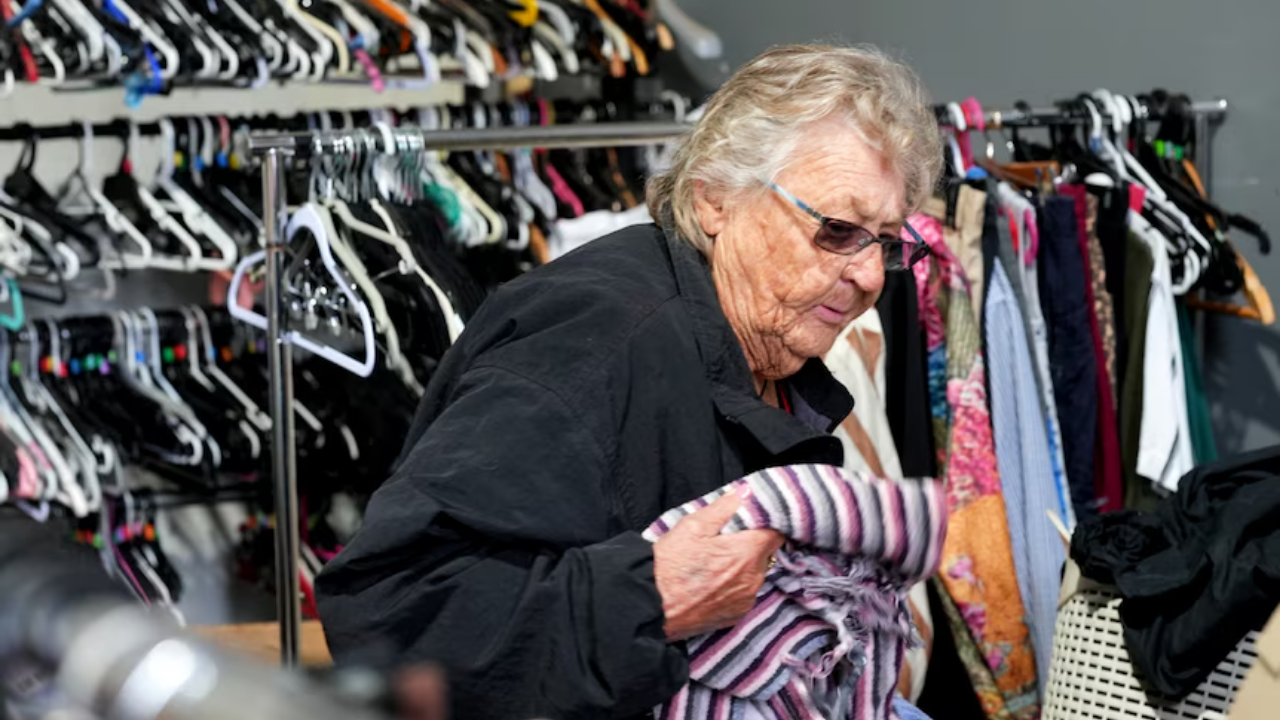
The nightmare started simply enough. Thakur, who worked as a waitress at an IHOP in the Arden-Arcade area of Sacramento, crossed paths with 22-year-old Rohit when he picked up orders as a delivery driver. What began as routine customer interaction twisted quickly into obsessive, unwanted pursuit.
Court documents paint a disturbing picture of escalating behavior. The suspect didn't just show up at her workplace; he managed to tamper with her living space, hidden an Apple AirTag on her car to track her daily routes, and threatened self-harm or violence if she refused his marriage demands.
Stalking experts often point out that tracking technology has completely changed the game for abusers. Cheap, coin-sized gadgets make digital surveillance invisible to the victim until it's too late. When Thakur realized the depth of the intrusion, she sought formal legal protection, securing a restraining order intended to keep her tormentor away until May 2027.
A piece of paper, however, cannot stop a determined predator.
Where the System Fails Victims
In theory, a restraining order is a legal shield. In reality, it is often treated as a low-priority civil violation until blood is spilled.
Weeks before the fatal shooting, Thakur reported a blatant violation of her restraining order when the suspect left groceries outside her home. Sacramento County Sheriff's officials later acknowledged they had probable cause to arrest him for the breach. They didn't. Deputies tried to locate him a couple of times, failed, and classified the offense as a misdemeanor that slipped through the cracks.
That gap in enforcement is where victims fall through. Police departments are stretched thin, and misdemeanor stalking violations rarely trigger the kind of urgent manhunt required to neutralize a rapidly escalating threat.
Thakur’s mother voiced the agony shared by countless families facing similar nightmares, stating bluntly that the police failed to protect her only child. When victims do everything the system asks—file reports, document harassment, secure court orders—and still wind up unprotected, faith in public safety completely collapses.
The Fatal Encounter
On a Tuesday morning in September, the terror reached its end point. The suspect lay in wait near the shopping plaza where Thakur was dropped off for work. As soon as she appeared, he confronted her.
When she turned and ran, he chased her across the asphalt, shooting her multiple times. Witnesses watched in horror as he stood over her body on the ground, firing at close range before fleeing the scene. He later died from a self-inflicted gunshot wound as deputies pursued his vehicle along Highway 50.
The investigation closed quickly due to the suspect's suicide, but the questions left behind linger heavily.
Protecting stalking victims requires a complete overhaul of how law enforcement treats threats before they escalate to physical violence. Restraining orders mean nothing if authorities lack the resources or urgency to enforce them immediately upon violation. Until departments treat digital tracking, home intrusions, and restraining order breaches as violent emergencies rather than administrative paperwork, tragedies like the killing of Shalini Thakur will keep repeating.
If you or someone you know is experiencing domestic violence, harassment, or stalking, immediate, confidential support is available 24/7 through the National Domestic Violence Hotline by calling 1-800-799-SAFE or texting "START" to 88788.