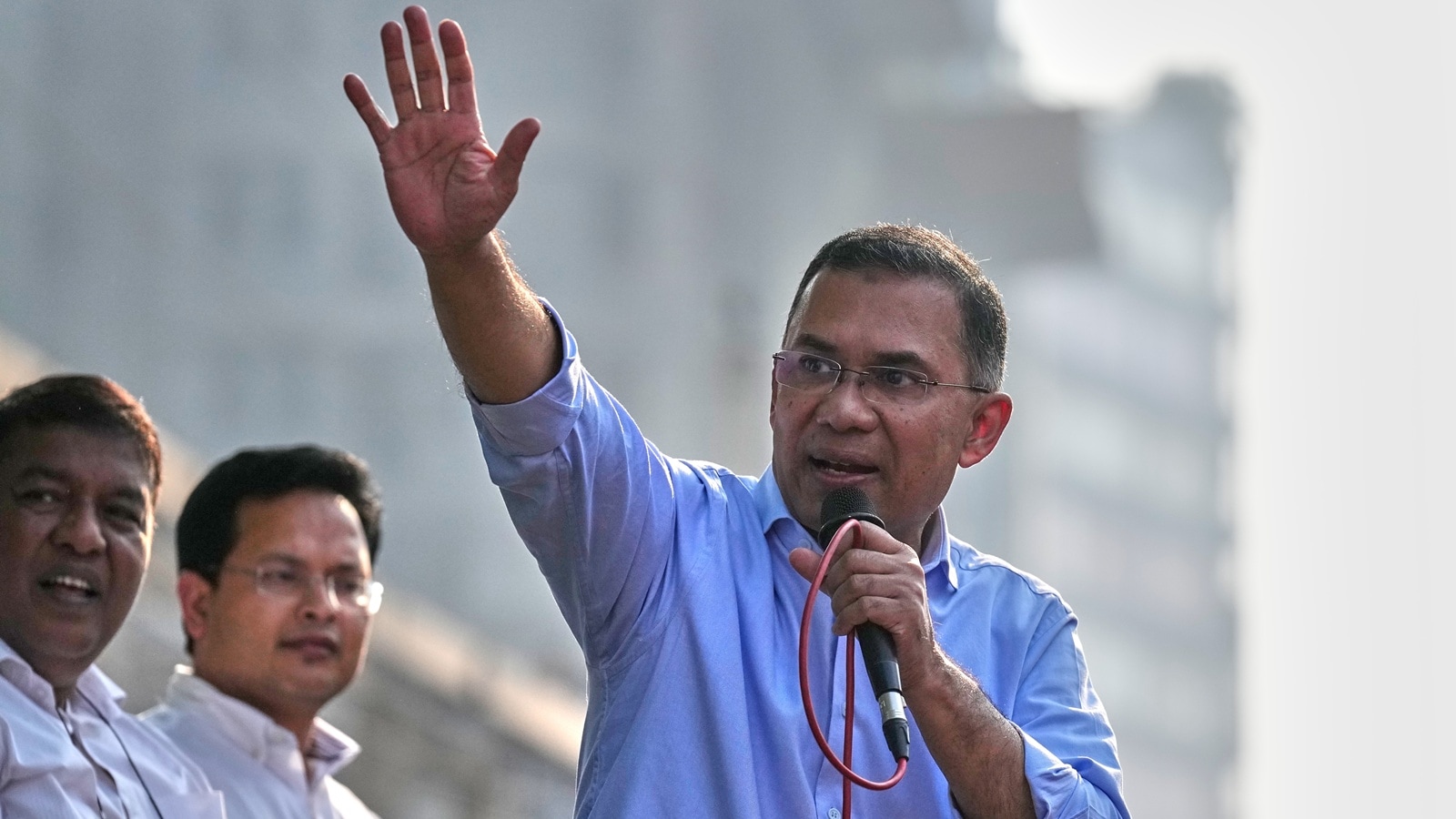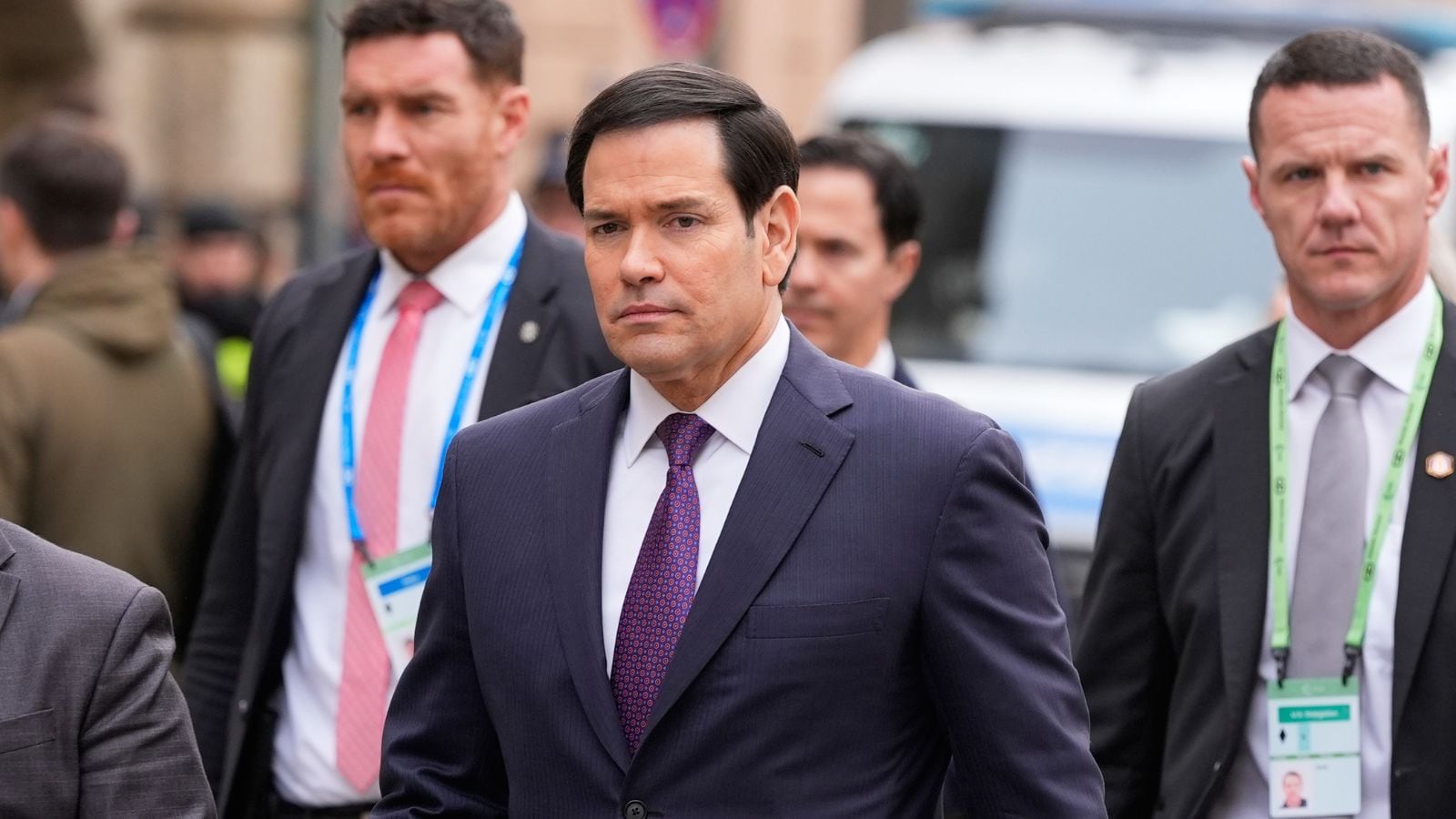
The halls of the Hotel Bayerischer Hof in Munich usually echo with the polite, rehearsed anxieties of the European defense establishment. But the 2026 Munich Security Conference felt different. The air was thick with the residue of a diplomatic lightning strike—Donald Trump’s renewed, aggressive posturing toward a Greenland "acquisition" and his suggestion that NATO protection is a subscription service rather than a treaty. Enter Senator Marco Rubio. Instead of the expected fire-and-brimstone isolationism or the submissive apologies of the old guard, Rubio delivered a message that signaled a sophisticated, cold-blooded shift in American foreign policy.
He didn't just tell allies to pay up. He redefined what it means to be an ally in an era where geography is once again destiny. Rubio’s message was clear: The United States is no longer interested in maintaining the status quo of the North Atlantic if that status quo ignores the brutal reality of Arctic resource competition and Russian-Chinese encroachment. This wasn't a "takeover" threat in the imperial sense; it was a demand for a strategic partnership that treats the High North as the new front line of global capital and military survival. Meanwhile, you can find other events here: The Cold Truth About Russias Crumbling Power Grid.
The Greenland Gambit as a Resource Mandate
To understand Rubio’s stance, you have to look past the tabloid headlines about "buying" islands. The real story lies in the soil. Greenland holds some of the world’s largest undeveloped deposits of rare earth elements, specifically neodymium and praseodymium, which are essential for everything from F-35 fighter jets to the magnets in electric vehicle motors.
China currently controls nearly 90% of the processing for these materials. Rubio knows this. His message in Munich was a blunt instrument aimed at the European Union’s regulatory inertia. By linking Trump’s Greenland rhetoric to NATO’s survival, Rubio is signaling that the U.S. will no longer subsidize the defense of a continent that refuses to secure its own supply chains. If Europe won't help develop these resources under a Western security umbrella, the U.S. will act unilaterally to ensure they don't fall into the orbit of Beijing’s "Polar Silk Road." To see the full picture, check out the excellent analysis by Reuters.
This isn't just about money. It’s about the fundamental mechanics of 21st-century power.
Why the Old NATO Playbook is Dead
For decades, the NATO bargain was simple: America provides the nuclear and conventional shield, and Europe provides a buffer zone against the Soviet Union. That bargain expired the moment the ice started thinning in the Northwest Passage.
The Arctic is no longer a frozen wasteland. It is a shortcut. Shipping routes from Shanghai to Rotterdam are being slashed by weeks, and the nation that controls the deep-water ports of the North controls the flow of global trade. Rubio’s "surprising" message was an admission that the traditional European theater is becoming secondary to the Arctic theater. He isn't abandoning NATO; he is attempting to drag it, kicking and screaming, toward the North Pole.
The Russian Infrastructure Lead
While Western diplomats argue over percentage points of GDP, Russia has been busy. They have refurbished over a dozen Cold War-era airbases in the Arctic and deployed S-400 missile systems across the Kola Peninsula. They are building a fleet of nuclear-powered icebreakers that dwarfs anything in the U.S. or Canadian inventory.
Rubio’s pivot is a response to this physical reality. He is telling the Munich crowd that if they want the U.S. to stay committed to the Suwalki Gap, they must show a corresponding commitment to the GIUK (Greenland-Iceland-UK) gap. The threat of a Greenland takeover isn't a literal land grab—it’s a stress test for the alliance. It asks a simple question: Is Greenland a sovereign protectorate of a Danish government that can’t defend it, or is it a critical node of Western survival that requires an integrated, American-led industrial base?
The Corporate Interests Behind the Diplomacy
Follow the money and you’ll find the real drivers of this policy shift. Major American defense contractors and energy giants are eyeing the Thule Air Base expansion with more than just tactical interest. They see a future where the U.S. military provides the security framework for private-sector extraction.
The Danish government in Copenhagen finds itself in an impossible position. They pride themselves on environmental stewardship and Arctic indigenous rights, yet they are financially unable to provide the security infrastructure required to keep the Russians or the Chinese from "renting" influence in Nuuk. Rubio is essentially offering a choice between an American security guarantee or a slow, bureaucratic slide into irrelevance.
The Shift in Rubio’s Own Doctrine
Critics often point to Rubio as a weather vane for the GOP’s shifting winds, but this Munich performance suggests a more calculated evolution. He has moved from the neoconservative interventionism of 2012 to a form of "Principled Realism." This doctrine accepts that international institutions are failing and that raw bilateral leverage is the only way to move the needle.
He used the Munich stage to tell the Germans and the French that their reliance on cheap Russian gas—now replaced by expensive American LNG—was just the first lesson. The second lesson is that the Arctic's wealth will be secured by those who show up with icebreakers and capital, not those who show up with white papers and "deep concern."
The Counter-Argument from the Baltic
Naturally, this shift has sent tremors through the smaller NATO members. If the U.S. is obsessing over Greenland and the High North, what happens to Estonia? What happens to Lithuania?
The fear is that a "transactional" NATO, as hinted by Rubio, means that defense is only granted to those who offer a tangible return on investment. If you don't have rare earth minerals or a strategic deep-water port, does Washington still care? Rubio’s answer, delivered through the subtext of his speech, is that security is indivisible but focus is limited. He is signaling a tiered alliance system where the "Core Partners" are those who integrate their industrial bases with the American war machine.
The Logistics of a New Northern Border
If the U.S. actually moves toward a "takeover" or a deeper administrative role in Greenland, the logistical hurdles are staggering. We are talking about building entire cities in permafrost environments that are increasingly unstable due to climate change.
| Infrastructure Type | Current Status | Required Investment |
|---|---|---|
| Deep-water Ports | Minimal (Nuuk/Pituffik) | $15B+ for heavy industrial use |
| Icebreaker Fleet | 2 Active (U.S.) | 10+ to match Russian presence |
| Rare Earth Mines | Exploration Phase | $25B in private/public venture |
| Fiber Optics | Limited undersea cables | $5B for secure military comms |
This is the "how" that Rubio skipped in his public remarks but is likely being discussed in the closed-door sessions. It requires a massive infusion of capital that can only come from one place: the American taxpayer, justified by the existential threat of Chinese dominance in the tech sector.
The End of the Post-War Illusion
The most significant takeaway from Rubio’s Munich appearance wasn't a specific policy proposal, but the death of an illusion. The illusion was that the North Atlantic was a settled map. We are entering a period of territorial and resource fluidity not seen since the 19th century.
Rubio isn't playing the villain in this scenario; he’s playing the auditor. He is looking at the books of the Western alliance and declaring them insolvent. His message to the allies was a warning that the window for a polite, shared solution is closing. If the Europeans won't participate in the "Greenland Takeover" of the industrial supply chain, they shouldn't be surprised when the U.S. decides to manage the North Atlantic as an American lake.
The strategy is clear: define the threat, price the security, and wait for the allies to realize they have no other choice.
Stop looking at Greenland as a piece of ice. Start looking at it as the boardroom where the next century will be decided.
Would you like me to analyze the specific mineral output projections for the Kvanefjeld project in southern Greenland to see how they align with Rubio’s trade policy?