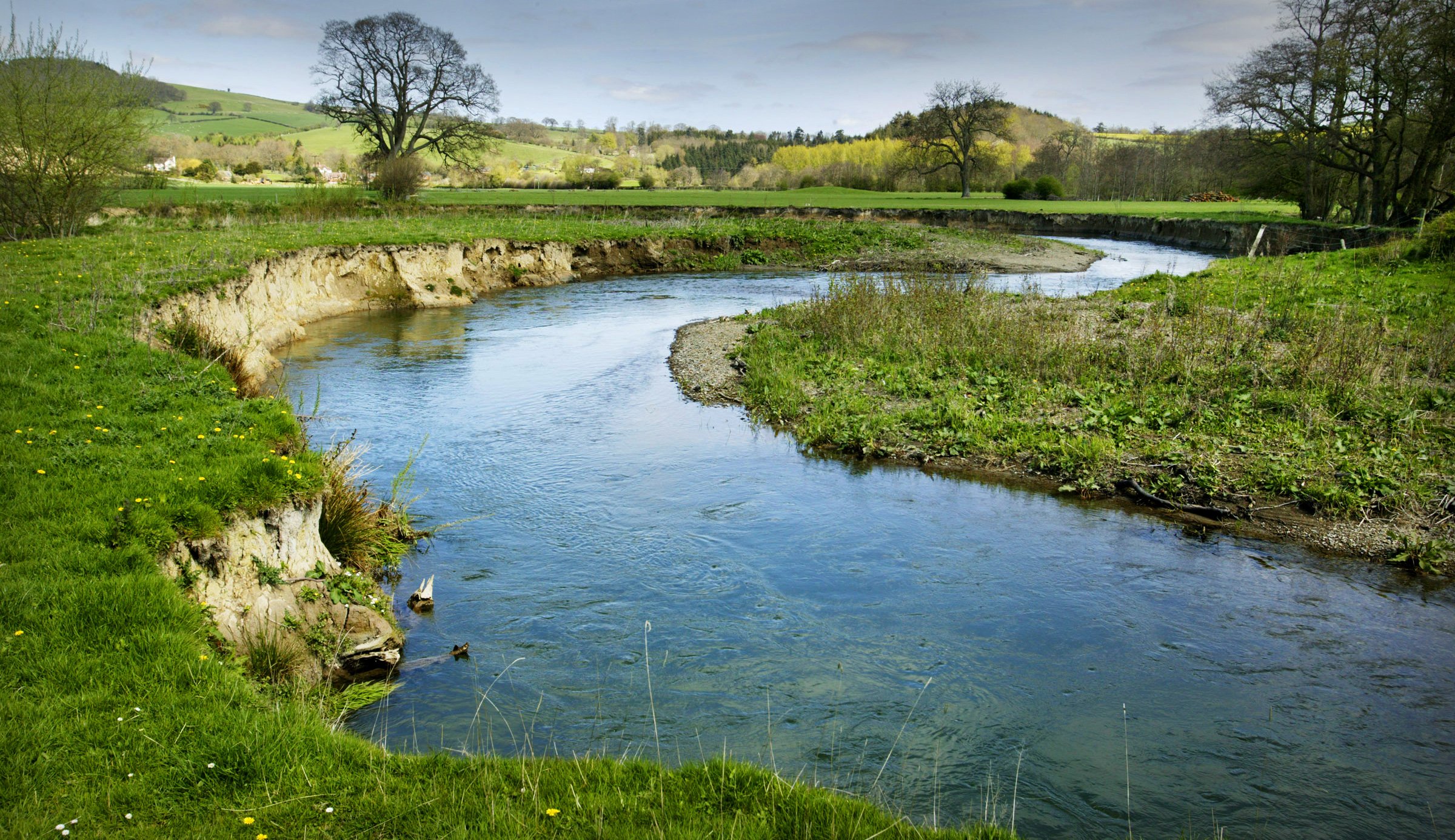
Water has a long memory. It carves canyons through stone not by brute force, but by the relentless, quiet insistence of time.
In Nepal, the monsoon does not merely arrive; it descends. It is a heavy, grey curtain that drops over the valleys, transforming dry riverbeds into roaring grey monsters overnight. If you have ever stood on the banks of a Himalayan river when the rains are at their peak, you know the sound. It is not a splash or a babble. It is a deep, subterranean rumble, a vibration that travels up through the soles of your feet and settles directly behind your ribs. It is the sound of earth moving. You might also find this similar story insightful: Why China's New Cybersecurity and Border Rules Terrify Taiwanese Travelers.
Former Minister Barshaman Pun knows this sound too well. Recently, as fresh evacuation warnings echoed through vulnerable districts, his voice cut through the administrative noise with a sharp, urgent plea for vigilance. Another flood is not a distant, abstract possibility. It is a shadow waiting for the right moment to lengthen.
Consider what happens when the soil can hold no more. As highlighted in detailed reports by The Guardian, the implications are notable.
Imagine a hypothetical village nestled in a low-lying river basin, much like the ones currently under watch across the region. Let us call her Sunita. Sunita is thirty-two, and she keeps her grandmother’s brass water pot polished on a wooden shelf. That shelf has survived three floods, but she knows wood rots and brass tarnishes. When the radio crackles with fresh evacuation warnings—warnings sparked by relentless downpours and rising water levels—Sunita does not wait for the water to lap at her doorstep. She looks at the sky, heavy and bruised, and she remembers the year the river changed its mind and swallowed the lower half of the village.
Most people think disasters arrive with cinematic drama. They picture tidal waves crashing down from the peaks. Reality is far quieter, and far more terrifying. It starts as a trickle across a muddy footpath. Then it becomes a steady stream. By midnight, it is a brown tide carrying broken branches, corrugated tin roofs, and the silent panic of families moving upward into the dark.
Barshaman Pun’s warning is rooted in this brutal predictability. When leaders urge vigilance, they are not crying wolf. They are reading the handwriting on the watershed. Deforestation, shifting weather patterns, and fragile mountain geology create a dangerous cocktail. The hillsides are saturated. The rivers are choked. All it takes is one more heavy cloudburst to tip the scale from safety to catastrophe.
We talk about disaster management in cold, sterile conference rooms. We use terms like mitigation strategy and emergency protocols. But on the ground, disaster management smells like wet mud, woodsmoke, and damp wool. It looks like children huddled under plastic tarps, clutching school notebooks wrapped in plastic bags to keep the ink from bleeding.
Why do people hesitate to leave?
This is the question outsiders always ask. Why don't they just move? The answer is heartbreakingly simple. Home is not just a structure of brick and mortar. Home is the ancestral plot, the livestock that provides an entire year’s income, the neighbor who helped build the veranda, and the invisible thread of belonging that ties a person to the earth. Leaving means walking away from everything you are, into an uncertain tomorrow.
Yet, staying means gambling with lives.
When Barshaman Pun stepped forward to issue his urgent appeal, he was trying to bridge that impossible gap between the stubborn hope of people who want to protect their homes and the cold, unyielding physics of a flash flood. He was telling them that bravery is not standing your ground against a wall of water. Bravery is swallowing your pride, packing a single bag, and walking up the hill before the road disappears.
The authorities can issue warnings. Sirens can wail from metal towers. Meteorological departments can track satellite imagery down to the minute. But the final choice always rests with the person looking out the window at the rising grey tide.
The monsoon will eventually pass. The sun will break through the clouds, painting the valley in brilliant, deceptive greens. The mud will dry, and people will return to rebuild their homes, planting new crops in soil enriched by the very silt that tried to wash them away. That is the resilience of the human spirit in the shadow of the mountains. It is fierce, beautiful, and heartbreakingly stubborn.
Listen to the river.
Before the banks break. Before the sirens start. Before the water claims another memory.
Heed the warning. Move to higher ground. Because the river remembers everything, but it waits for no one.


