Water has a long memory. It remembers the high-altitude ice fields of the Himalayas, the sudden fractures in monsoon clouds, and the precise velocity required to turn a narrow mountain stream into a brown, churning highway of destruction. When the excess spills across borders, it does not stop at lines drawn on paper. It travels south, carrying timber, mud, root systems, and sometimes, the quiet tragedies of ordinary lives that crossed paths with gravity at the wrong moment.
The morning air in Kushinagar carried the heavy, alkaline scent of freshly deposited silt. Along the winding banks of the Gandak River, a crowd had gathered not with the frantic energy of rescue, but with the hollow stillness of waiting. Thirteen bodies. That was the tally carried back by the water, delivered quietly to the northern plains of Uttar Pradesh after heavy Nepal floods tore through river basins miles away.
To read these numbers on a screen is to see them as sterile data points. Thirteen souls. A statistical footnote in a season of meteorological extremes. But numbers do not capture the way a village holds its collective breath when a local fisherman spots something dark snagged against a clump of water hyacinth near the river bend. They do not measure the precise weight of an empty pair of shoes left on a porch in a neighborhood where the water rose three feet in twenty minutes under a black, indifferent sky.
Consider Ramesh, a hypothetical farmer whose real-world counterpart exists in dozens of settlements flanking the Gandak. For three decades, Ramesh has read the river the way a scholar reads a text. He knows when the current runs sluggish and green, fed by subterranean springs, and he knows when the surface turns opaque, whipped into a froth by distant cloudbursts. Yet, this year's monsoon defied the old grammar. The water did not arrive as a slow, predictable seasonal swell that allows for livestock to be led to higher ground and grain stores to be hoisted onto rafters. It arrived as an ambush.
When international river systems swell, the warning systems are often caught in a bureaucratic lag. Rain falls in the Himalayan foothills—thousands of millimeters in a matter of hours—swelling transboundary tributaries like the Narayani, which feeds into the Gandak system down in India. By the time the surge hits the plains, the threshold between safety and catastrophe has already been crossed. People living within the floodplain live in a perpetual gamble, betting their harvests against the capacity of distant sluice gates and the unpredictable fury of upstream weather patterns.
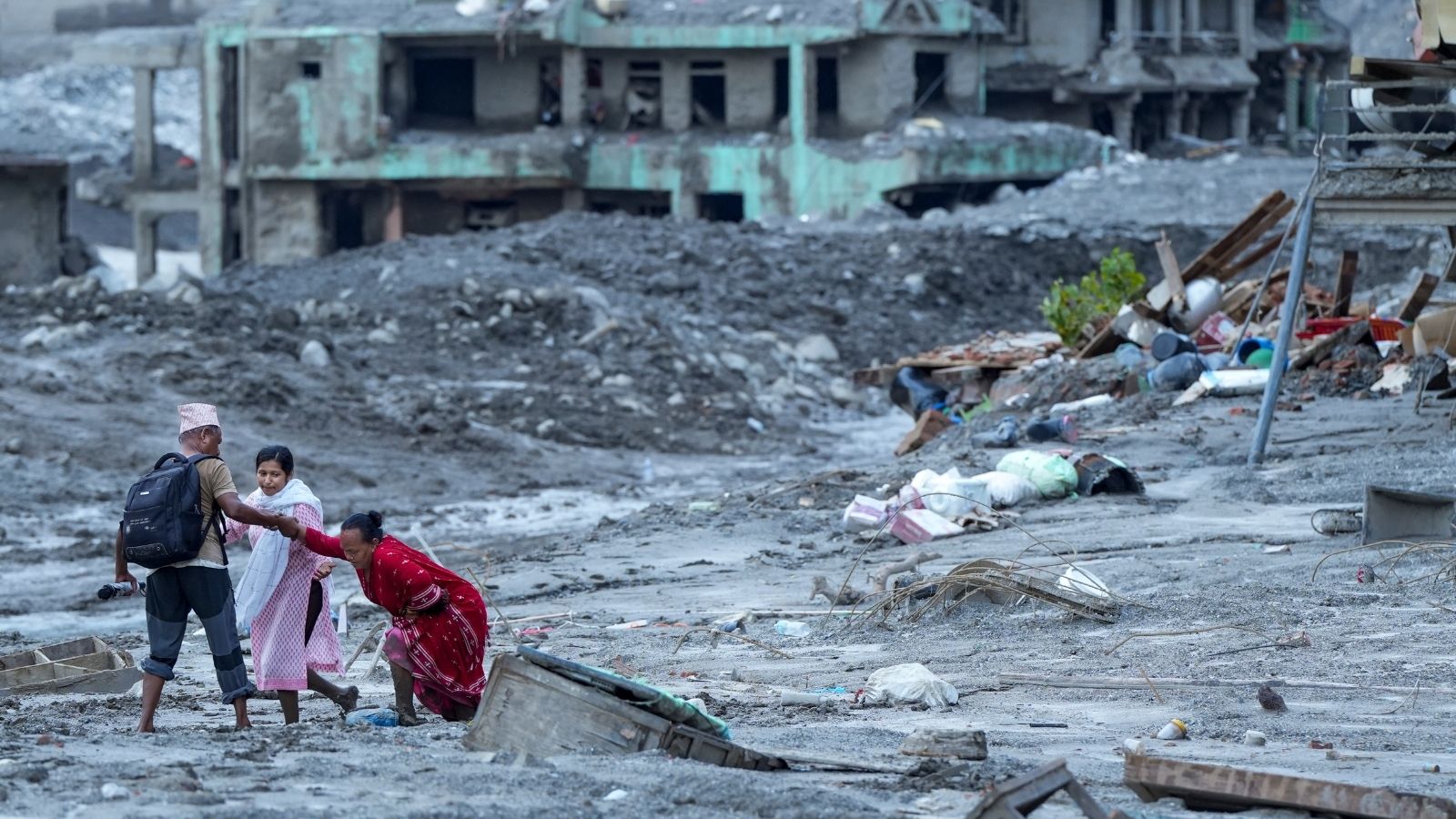
The recovery operation along the Uttar Pradesh stretch was a grim masterclass in patience. Divers and local boatmen navigated swirling eddies that could easily flip a mechanized dinghy. Every sweep of the long bamboo poles against the riverbed was an act of quiet reverence. They were searching for what the flood had stolen and hidden beneath layers of opaque mud.
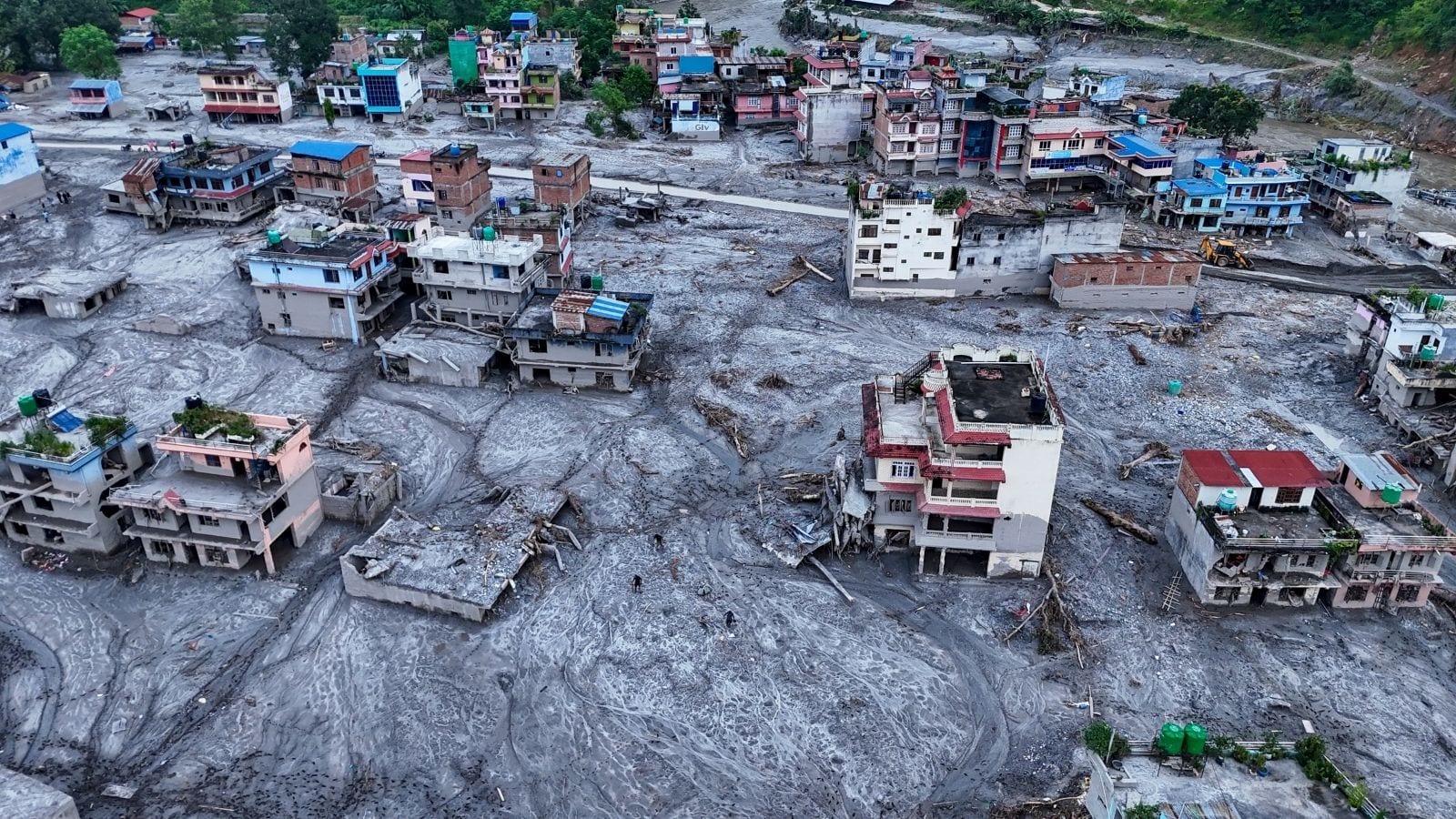
Water is essential, life-giving, and holy to millions across the subcontinent. Yet, in these weeks of torrential overflow, it turns monstrous. It erodes embankments that were engineered to last a century. It cuts off rural roads, isolating hamlets until relief boats can finally push through the flooded mustard fields. The families who lost their loved ones to the Gandak are now left to navigate the aftermath—a bureaucratic maze of compensation claims, ruined crop yields, and the haunting realization that the climate the previous generations knew has fundamentally fractured.
We talk endlessly about climate resilience, policy frameworks, and early warning architecture. We draft international agreements and map flood-risk zones with satellite precision. But back down here, where the water laps against the crumbling mud walls of a ruined granary, policy feels terribly thin. What remains is the mud, the stench of rotting vegetation, and the profound, echoing silence of houses emptied by a river that forgot how to stay within its banks.
The sun broke through the heavy grey overcast late in the afternoon, casting a bruised, golden light across the receding floodwaters. The Gandak widened its chest, moving heavily toward the Ganges, indifferent to the grief left trailing in its wake. On the shore, a single wooden boat was pulled up onto the dry bank, its hull scarred by floating debris. The river had finished its delivery for the day, leaving behind a silence that no amount of engineering can ever truly explain.