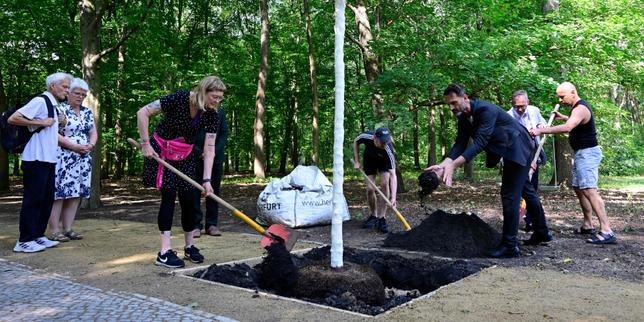
Hate doesn't take a summer break, and it certainly doesn't respect the dead. Barely weeks after a horrific terrorist attack shattered the Berlin Pride celebrations in the Tiergarten park, the makeshift spaces built to honor the victims have become targets themselves.
If you think a memorial site can offer a safe harbor for collective grief, recent events in Germany's capital prove you wrong. A rainbow-painted bench and a newly planted maple tree meant to remember those killed and injured during the July tragedy were systematically smashed and torn out within days of each other. Two strikes in a single week. This isn’t random teenage mischief. This is targeted harassment designed to send a chilling message. For an alternative view, check out: this related article.
The Illusion of Safety in Progressive Capitals
Berlin loves to market itself as an open, tolerant refuge for the LGBTQ+ community. Walk through Schöneberg or Kreuzberg, and you'll see pride flags fluttering from cafes, bookstores, and municipal buildings. Yet, beneath this glossy veneer lies a sharp spike in hostility that local authorities struggle to contain.
When a vehicle plowed into the crowd during the Christopher Street Day celebrations, leaving one person dead and nearly thirty injured, the city reeled. Communities rallied. Candles flickered, handwritten notes piled high, and civic leaders promised solidarity. But solidarity written in chalk or painted on timber washes away too easily. Similar insight on the subject has been provided by TIME.
The destruction of the memorial tree and the rainbow bench exposes a grim reality. Public spaces dedicated to marginalized groups remain painfully vulnerable. Perpetrators know that attacking a temporary site carries low immediate risk, yet yields high emotional impact for a grieving community.
Why Memorial vandalism is a Growing Threat
We need to talk about why these acts happen repeatedly. Vandalizing a site of mourning is a deliberate attempt to erase historical trauma and invalidate human lives. When attackers tear up an érable planted in the Tiergarten, they are trying to undo the tragedy's footprint, pretending the violence never occurred or, worse, justifying it.
Security measures around these impromptu memorials are practically non-existent. Cities often rely on the assumption that basic human decency will protect a shrine of flowers and ribbons. That assumption is naive. In an political climate charged with rising extremism, leaving a tribute unprotected is an invitation to bad actors.
Local activists are exhausted. Instead of being allowed to heal, community members have to stand guard over spots meant for quiet reflection. The emotional toll compounds quickly.
Moving Past Empty Condolences
Official statements from politicians condemning the vandalism offer zero comfort when they aren't backed by physical protection or systemic changes. Condemnations are cheap. Real security costs money, time, and political willpower.
If Berlin wants to claim its status as a safe haven, city officials need to move past standard press releases. Permanent, weather-resistant, and reinforced memorials should replace fragile tributes that invite destruction. Surveillance and police patrols around these sensitive zones must become standard procedure, not an afterthought.
Ignoring the pattern won't make it stop. Confronting the hostility head-on is the only way forward. Pay attention to who gets targeted, demand better accountability from local precincts, and refuse to let acts of cowardice sweep community pain under the rug.
Memorials across Europe held in honour of devastating Berlin Pride
This video documents the widespread memorials held across Europe, showing how communities came together in solidarity following the tragedy in Berlin.


