The correlation between Levant-based kinetic conflict and Gulf Cooperation Council (GCC) tourism performance is traditionally mediated by "perceived proximity risk," a psychological pricing floor that often ignores geographical reality. In the current Israel-Iran escalation, Dubai’s hospitality sector faces a dual-threat mechanism: the contraction of high-yield European transit and the disruption of the "Safe Haven" premium that has historically underpinned the emirate’s real estate and tourism valuation. While anecdotal reports cite sharp drops in occupancy, a structural analysis reveals that the impact is not uniform. It is a redistribution of risk across specific RevPAR (Revenue Per Available Room) tiers and origin-market segments.
The Triad of Hospitality Disruption
To quantify the impact of the Israel-Iran conflict on Dubai, we must isolate three distinct pressure points that dictate how a regional war translates into a local vacancy.
- The Aviation Bottleneck and Airspace Tax: Dubai’s status as a global hub relies on the efficiency of the "Great Circle" routes. When Iranian or Iraqi airspace becomes a no-fly zone, flight durations from Europe and North America increase by 60 to 90 minutes. This adds a variable fuel cost that airlines eventually pass to the consumer. For the price-sensitive "Leisure-Plus" segment, a 15% hike in ticket prices triggered by fuel surcharges or rerouting logistics results in immediate demand destruction.
- The Insurance Risk Premium: Institutional travel—specifically MICE (Meetings, Incentives, Conferences, and Exhibitions)—operates under corporate risk mandates. When a regional conflict reaches a threshold of "active escalation," global insurance underwriters often trigger "Travel Advisory" clauses. This does not mean travel is impossible; it means the cost of insuring a 5,000-person corporate summit becomes prohibitive, leading to cancellations that hollow out mid-week occupancy.
- Currency Devaluation in Feeder Markets: While the conflict is kinetic, its secondary effect is fiscal. Geopolitical instability often strengthens the USD. Since the AED is pegged to the dollar, Dubai becomes overnight more expensive for travelers from the UK, EU, and India. The "sharp drop" in tourism is frequently a reflection of reduced purchasing power rather than a direct fear of missile paths.
Structural Vulnerability by Asset Class
Generalizations about "Dubai tourism" fail to account for the divergent recovery speeds of different property types. The impact of the conflict follows a specific hierarchy of vulnerability.
Luxury Beachfront and Ultra-High-Net-Worth (UHNW) Assets
Properties in the Palm Jumeirah and Jumeirah Bay segments are the most resilient. The UHNW demographic is less sensitive to airline surcharges and often utilizes private aviation, which navigates airspace restrictions with more agility than commercial fleets. For this group, Dubai remains a neutral ground for capital and physical presence, provided the conflict remains contained within the Levant/Iran corridor.
Mid-Market Business Hotels
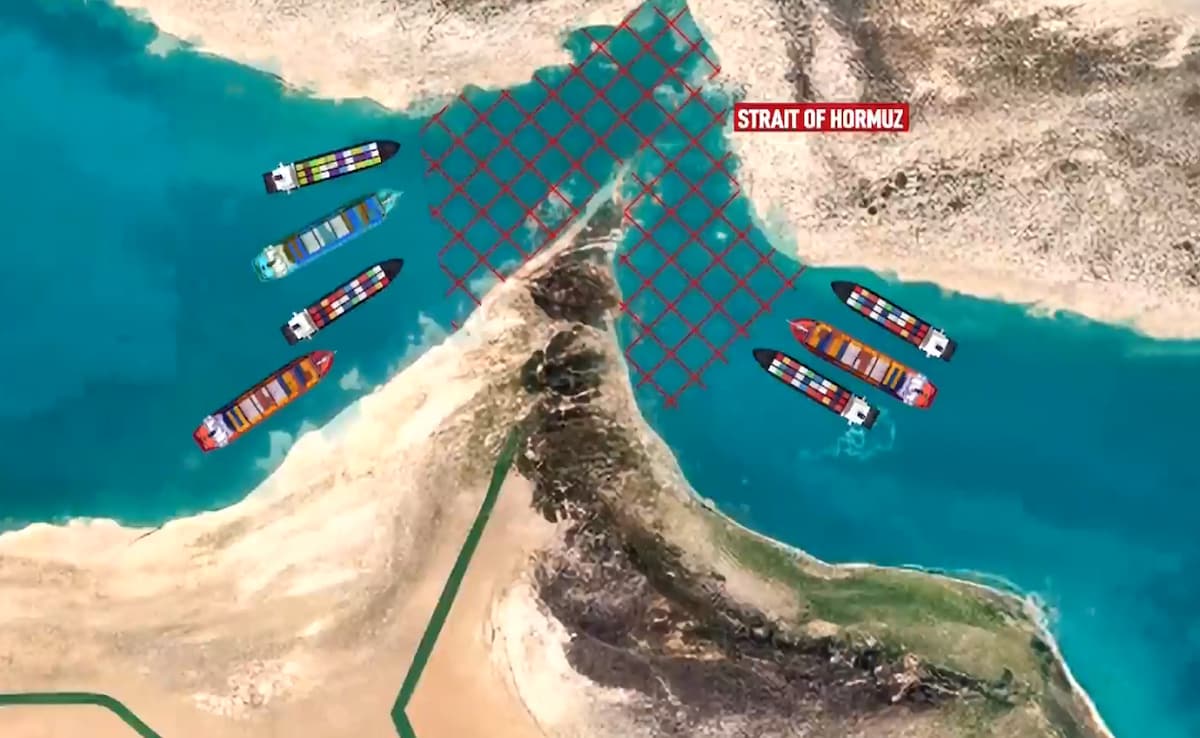
This sector is the primary casualty of the Israel-Iran escalation. These assets rely on high-volume, short-stay regional business travel and international trade delegations. When the regional "vibe" shifts toward security-first, discretionary business trips are the first to be audited and cut. We observe a direct correlation between the frequency of maritime threats in the Strait of Hormuz and the cancellation rates in Business Bay and DIFC-adjacent hospitality assets.
Short-Term Rental and Holiday Home Ecosystem
The explosion of the holiday home market in Dubai creates a "shadow inventory" that lacks the marketing budget of major chains. These operators are currently experiencing a liquidity crunch. Unlike the Marriott or Hilton groups, which can re-allocate marketing spend to domestic or "staycation" markets (Saudi Arabia, Oman, local UAE), independent owners are tethered to global OTA (Online Travel Agency) algorithms. When "Israel-Iran" dominates the news cycle, the algorithm suppresses "Middle East" destinations globally, regardless of the 1,500-mile distance between Jerusalem and Dubai.
The Cost Function of Regional Perception
The primary failure of standard analysis is the inability to distinguish between actual risk and narrative risk. The actual risk to Dubai’s physical infrastructure remains low, governed by sophisticated missile defense and a long-standing policy of diplomatic neutrality. However, the narrative risk functions as a tax on the sector.
The logic of narrative risk follows a decaying exponential curve. The first 72 hours of an escalatory event (e.g., a direct missile exchange) see a 40% to 60% spike in booking inquiries regarding cancellation policies. If no further escalation occurs within 14 days, the inquiry rate drops, but the booking window narrows. Travelers stop booking six months in advance and move toward a 14-day "wait and see" window. This wreaks havoc on hotel revenue management systems, which rely on historical "booking pace" data to set prices. When the pace becomes erratic, hotels often panic-drop rates, leading to a "race to the bottom" that erodes the destination's premium brand equity.
Geopolitical Realignment of Source Markets
The downturn is not global; it is Western-centric. The data suggests a pivot in Dubai’s tourism strategy that is being accelerated by this conflict.
- The Russian and CIS Buffer: These markets have a higher tolerance for regional volatility and fewer alternative "luxury sun" destinations due to ongoing sanctions and geopolitical alignments elsewhere. They currently act as a floor for occupancy in the 5-star segment.
- The Intra-Regional Shift: As Western tourists hesitate, there is an opportunity to capture "diverted demand" from other regional hubs like Beirut or Amman, which are more directly impacted. Dubai’s marketing spend is visibly shifting toward the GCC "staycation" demographic, which views the UAE as a secure domestic alternative.
- The Indian Corridor: India remains the most critical stabilizer. The proximity and the sheer volume of the middle-class segment provide a high-frequency flow that is less sensitive to the "Middle East" umbrella narrative than a traveler from Ohio or Berlin might be.
Operational Logic for the Current Cycle
For hotel owners and asset managers, the current environment demands a move away from "occupancy at all costs." The strategic play involves a three-stage defensive posture.
First, de-leverage the Western OTA dependency. Direct-to-consumer booking channels must be incentivized through value-adds (F&B credits, airport transfers) rather than price cuts. Price cuts are permanent in the mind of the consumer; value-adds are temporary and preserve the rate card.
Second, implement "Geofenced Pricing". Using IP-based pricing to offer aggressive "Peace of Mind" packages to Indian and GCC markets while maintaining premium pricing for the less-frequent Western traveler prevents a global brand devaluation.
Third, pivot to the "Extended Stay" model. The conversion of hotel inventory into serviced apartments for the "digital nomad" or "relocation" segment mitigates the volatility of the 3-night tourist. If a regional conflict persists, Dubai becomes a destination for people leaving the periphery of the conflict zone, transforming a tourism loss into a real estate and residency gain.
The sector is currently navigating a "Risk-Aversion Gap." This gap is the period between the onset of news-cycle volatility and the realization that daily life in the Gulf remains decoupled from the kinetic events of the Levant. Those who survive this period are those who recognize that Dubai’s hospitality sector is no longer a monolith of leisure, but a complex hedge against regional instability.
Strategic focus must now shift to the "Logistics of Certainty." This involves transparent communication regarding flight paths, the decoupling of UAE safety ratings from broader Levant advisories, and the aggressive courting of the "Unstoppable" traveler—those from emerging economies whose travel patterns are dictated by economic opportunity rather than Western media sentiment. The objective is to shorten the "Rebound Lag"—the time it takes for a guest to move from a state of "Concerned Observer" to "Confirmed Booking." This is achieved not through travel brochures, but through the rigorous application of data-backed safety narratives and the stabilization of the aviation cost-base.