The Theater of Transformed Rhetoric
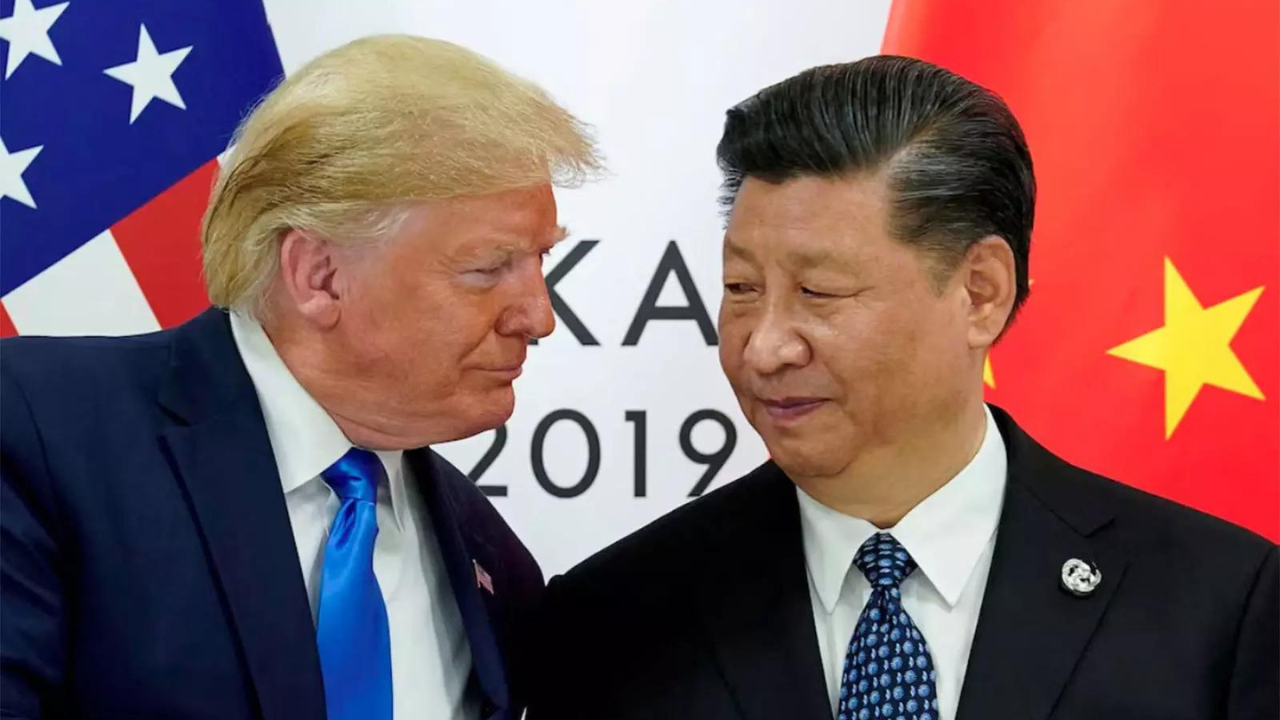
Political theater rarely matches administrative reality, yet the pivot from aggressive tariff posturing to red-carpet diplomacy represents one of the most jarring stylistic shifts in modern economic statecraft. Washington once framed its relationship with Beijing entirely through punitive duties, export blacklists, and national security embargoes. Every import tax was marketed as a decisive blow against industrial espionage and unfair subsidies. Now, the rhetoric softens. The language of outright economic decoupling yields to structured summits, formal handshakes on tarmac runways, and careful negotiations over market access.
This transformation is not a change of heart. It is a calculated recalibration born from the realization that blanket protectionism carries steep domestic costs. When import duties on consumer goods, industrial components, and agricultural machinery ripple through domestic supply chains, inflation climbs and corporate profit margins shrink. Business leaders who once cheered for hardline trade restrictions quickly discovered that retaliatory measures closed vital export markets for domestic farmers and manufacturers.
Beneath the polished optics of a high-level presidential summit lies a grueling struggle for technological supremacy and economic endurance. Neither superpower can afford a complete severing of financial ties, yet neither trusts the other enough to lower its guard. The upcoming diplomatic engagement between Washington and Beijing is therefore less a celebration of renewed friendship and more an armed truce. Both capitals recognize that their economic models remain deeply interdependent, creating an uneasy coexistence defined by suspicion and strategic maneuvering.
The Anatomy of Retribution
To understand why the diplomatic posture shifted, one must examine the actual mechanics of the tariff regime deployed over recent years. Imposing broad levies on billions of dollars worth of imported goods was intended to force a sweeping restructuring of state-directed industrial policies abroad. Proponents argued that financial pressure would compel foreign competitors to abandon state subsidies, protect intellectual property, and open protected domestic sectors to foreign competitors.
Instead, the results proved far more nuanced and frequently counterproductive. Importers absorbed the initial shock by passing higher costs downstream to businesses and end consumers. Supply chains did not snap back to domestic shores as predicted. Rather, multinational corporations engaged in complex route-shifting maneuvers, moving assembly operations through intermediary nations like Vietnam, Mexico, and India to bypass direct tariffs while maintaining underlying sourcing structures.
Meanwhile, retaliatory tariffs targeted vital domestic exports, particularly agricultural commodities. Farmers in the American heartland found themselves cut off from lucrative overseas buyers, requiring massive government intervention and subsidy programs to stave off widespread insolvencies. The blunt instrument of broad import taxes revealed its limitations. It inflicted significant collateral damage on domestic stakeholders while failing to dismantle the core structural practices of state capitalism it was designed to eliminate.
Behind Closed Doors at the Tarmac
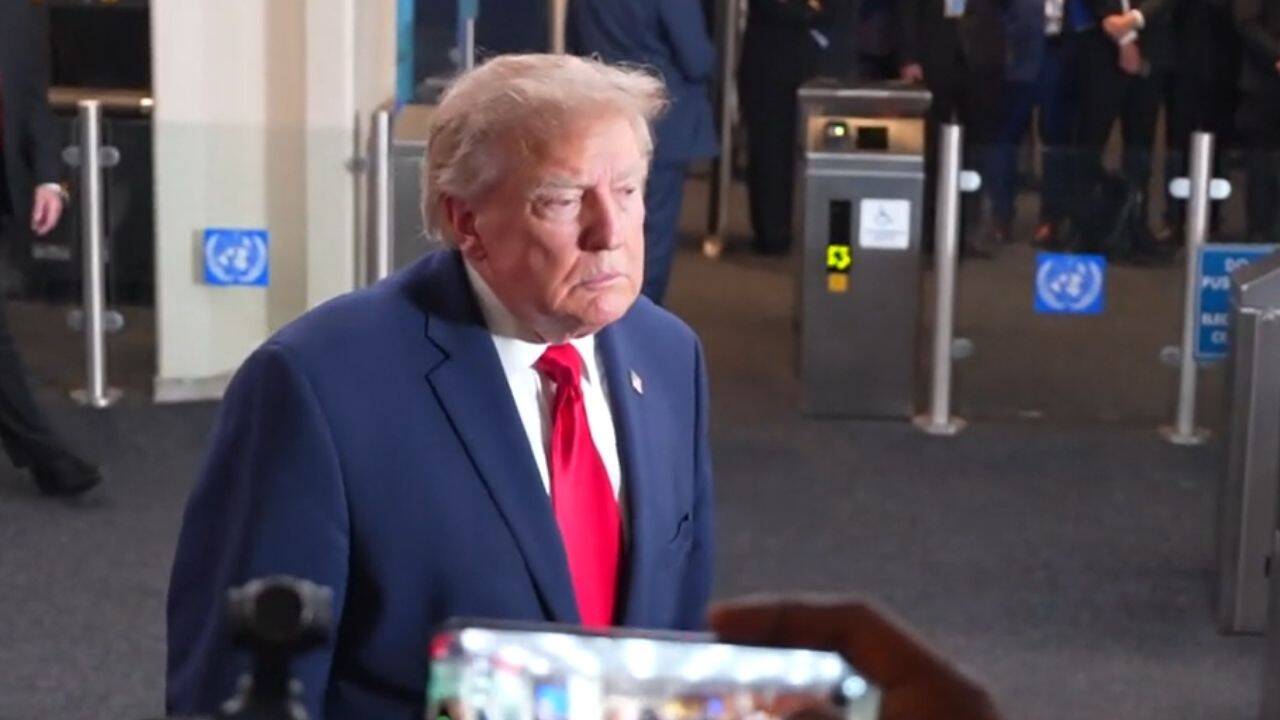
When aircraft touch down and red carpets roll out, the public witnesses a carefully choreographed display of statecraft. Cameras capture firm handshakes, diplomatic smiles, and motorcades speeding toward heavily guarded conference centers. This performance is designed for domestic audiences as much as international ones. Leaders need to project strength, competence, and control to voters anxious about economic instability and geopolitical tension.
The private discussions, however, bear little resemblance to the cordiality of the airport reception. Behind closed doors, trade negotiators and intelligence advisors engage in high-stakes bargaining characterized by explicit warnings and precise demands. Every concession offered by one side comes with rigorous verification requirements and immediate retaliatory triggers should compliance falter.
The transactional nature of these talks dominates every agenda item. Washington demands stricter enforcement of intellectual property rights, greater transparency regarding state subsidies, and increased purchases of domestic agricultural goods. Beijing presses for the lifting of high-tech export controls, the removal of sanctions on key technology firms, and recognition of its core regional sovereignty claims. Because neither side is willing to cede fundamental strategic advantages, negotiations frequently stall over enforcement mechanisms. Trust is entirely absent from the equation, replaced by exhaustive verification protocols and constant threat assessments.
Supply Chains Under Siege
Global commerce no longer operates on predictable, linear paths. For decades, multinational corporations optimized their operations around extreme efficiency, relying on single-source suppliers and minimal inventory buffers to maximize returns. That model fractured under the weight of trade disputes, geopolitical friction, and unexpected disruptions.
Today, corporate boards are rewriting their operational playbooks around supply chain resilience rather than raw cost minimization. Factories are relocating or duplicating production lines across multiple jurisdictions to hedge against sudden policy shifts. A manufacturer producing electronic components in an industrial hub near the coast might now maintain parallel operations in Southeast Asia to ensure continuous delivery if diplomatic tensions escalate into new economic sanctions.
This diversification comes at a substantial financial price. Redundancy is expensive. Warehousing extra inventory, vetting alternative suppliers, and constructing new manufacturing facilities in unfamiliar regulatory environments drive up production costs. These expenses inevitably filter down to the consumer, cementing a permanent shift away from the era of ultra-low-cost manufactured goods. Corporations are navigating an environment where political risk management supersedes pure economic efficiency, transforming how goods move across borders.
The Technology Chokepoint
While agriculture and consumer goods dominate public debates, the true battleground for global hegemony centers on advanced technology. Semiconductors, artificial intelligence, quantum computing, and green energy infrastructure form the modern pillars of economic and military power. Whoever controls these critical chokepoints dictates the terms of the twenty-first-century global economy.
Washington has systematically tightened export controls on advanced microchips and the specialized equipment required to manufacture them. The objective is to restrict foreign access to cutting-edge computing capabilities that could modernize rival military forces or confer insurmountable commercial advantages in artificial intelligence. These controls extend beyond direct exports, encompassing foreign-produced items that incorporate domestic technology components, creating a sweeping extraterritorial regulatory net.
Beijing has responded with massive state investments aimed at achieving technological self-sufficiency. Billions of dollars are channeled into domestic semiconductor fabrication, research laboratories, and educational pipelines designed to train the next generation of engineers and scientists. While foreign reliance on advanced components remains a vulnerability, the stated national goal is complete independence from external technological choke points.
This technology race creates a permanent structural divergence. Instead of a single, globally integrated digital infrastructure, the world is drifting toward a fractured technological ecosystem. Different regions may soon operate on incompatible standards, distinct software architectures, and separated hardware supply chains. The diplomatic summits cannot bridge this gap because both nations view technological dominance as an existential security requirement rather than a negotiable commercial commodity.
Domestic Political Calculations
Foreign policy rarely exists in a vacuum; it is constantly shaped by the volatile pressures of domestic politics. Leaders in democratic systems must answer to voters every few years, making short-term economic indicators powerful determinants of diplomatic strategy. Inflation spikes, factory closures, and rising consumer prices carry immediate electoral consequences that can derail an administration's legislative agenda.
This political reality creates a constant tension between aggressive rhetoric and pragmatic compromise. During election cycles, politicians frequently adopt hostile postures toward foreign competitors, promising tough action to protect domestic industries and workers. Once securely in office, the harsh constraints of economic reality often force a more moderate approach. Advisors warn of the inflationary risks of unconstrained trade warfare, while major corporate donors lobby behind the scenes to protect access to foreign supply chains and consumer markets.
Conversely, centralized political systems face a different set of internal pressures. Maintaining social stability and continuous economic growth is essential for preserving legitimacy. When export markets contract or foreign investment slows, policymakers face rising unemployment and industrial overcapacity. To counter these domestic vulnerabilities, leadership must secure favorable trade terms abroad while projecting unwavering national pride to domestic nationalist factions.
These internal constraints ensure that neither capital can afford a complete breakdown in relations, yet neither can afford to appear weak. The resulting diplomatic dance is defined by cautious incrementalism. Major breakthroughs are rare; instead, negotiators settle for manageable interim agreements designed to prevent immediate crises while kicking deeper structural disputes down the road.
The Structural Impasse
Surface-level agreements and staged photo opportunities obscure the reality that the structural impasse between the two superpowers is unlikely to be resolved through conventional diplomacy. The conflict stems from fundamentally incompatible economic models and political philosophies.
A market-driven economy operating under legal transparency and private corporate ownership struggles to coexist comfortably with a state-capitalist model where industrial policy, financial credit, and corporate governance are directly orchestrated by a centralized political authority. When state subsidies artificially lower production costs for targeted industries, private competitors in market economies face insurmountable disadvantages that standard tariff adjustments fail to correct.
At the same time, demands for structural reform of an entrenched governance model are routinely rejected as foreign interference in internal sovereignty. Beijing views its state-directed economic apparatus as the foundational source of its miraculous rise, making any proposal to dismantle it a non-starter. Washington, meanwhile, views unchecked state subsidies and intellectual property theft as an existential threat to its long-term economic viability and technological leadership.
As long as these core contradictions persist, the relationship will oscillate between confrontation and accommodation. The red carpet rolled out on the tarmac is not a permanent welcome mat. It is a temporary stage where exhausted rivals pause to catch their breath, manage their risks, and prepare for the next phase of a protracted economic contest that will define the global order for decades to come.