Monaco doesn't do blood in the streets. It's an ultra-safe, heavily policed playground where thousands of CCTV cameras watch billionaires sip espresso in peace. But on June 29, 2026, a crude package filled with bolts and buckshot ripped that illusion of total security to shreds.
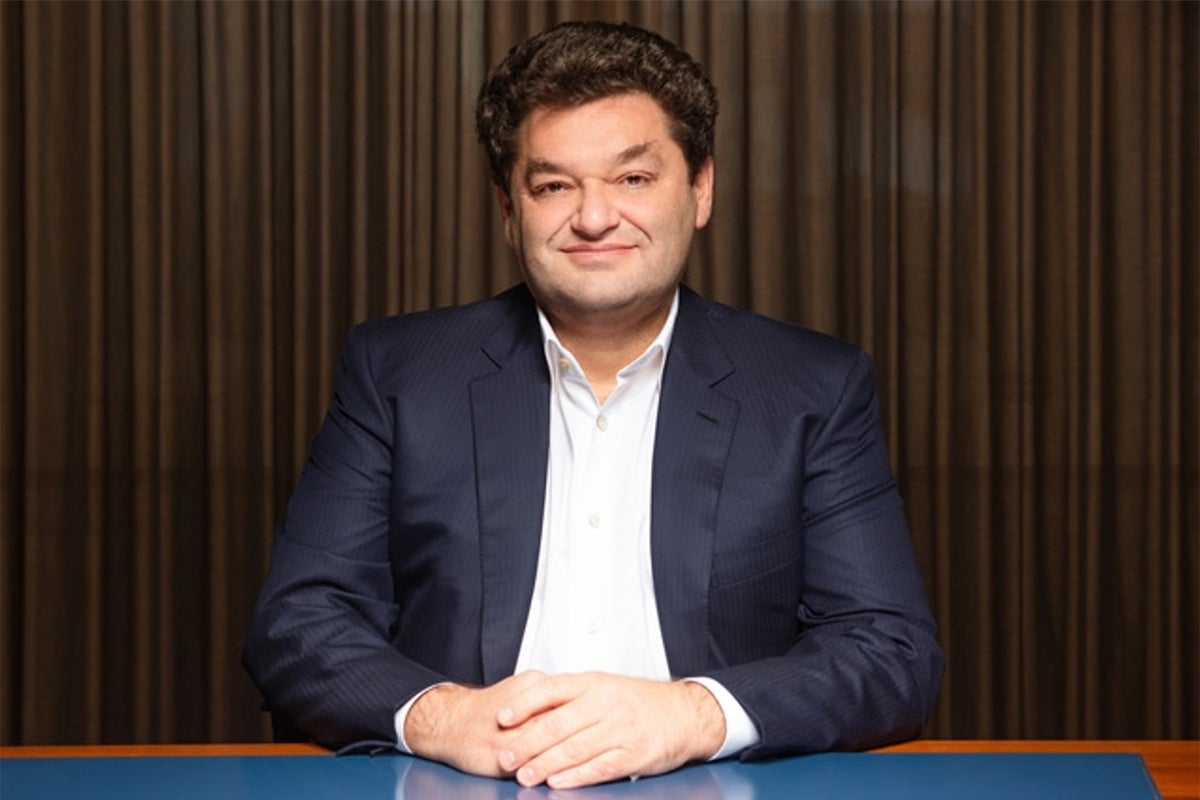
Around 9:00 PM, an unidentified man wearing a dark jacket and a black bucket hat walked up to a residential building in the steep, exclusive La Rousse district. He left a bag on the front steps and melted away. Moments later, Vadym Yermolaiev, a prominent 58-year-old tycoon originally from Ukraine, walked up to the entrance with family members. The device detonated with extraordinary violence.
The blast shattered nearby windows, collapsed part of a staircase, and left the entrance covered in blood. Emergency services rushed the casualties to a hospital in Nice. While Yermolaiev's injuries were serious, the woman accompanying him suffered catastrophic, life-threatening injuries, losing a foot in the explosion. A 13-year-old boy suffered less severe wounds.
The suspect fled on foot, crossing the nearby border into the French town of Beausoleil. While Monegasque public prosecutor Stéphane Thibault quickly ruled out a broader terrorist attack, authorities have launched an attempted murder investigation. It was a targeted hit.
The massive question hanging over the French Riviera is simple: who wanted Vadym Yermolaiev dead?
The rumor mill is spinning wildly, but the actual evidence points to three distinct theories. Understanding his background reveals exactly why this billionaire made some incredibly dangerous enemies.
The Fallout From a €100 Million Call Centre Empire
If you want to know who holds a grudge bitter enough to deploy a parcel bomb, you have to look closely at Yermolaiev’s immediate family. Specifically, look at his 35-year-old son, Artur Yermolayev.
In late 2025, Interpol tracked Artur down in Cyprus. He was extradited to Estonia to face staggering charges. European investigators revealed that between 2019 and 2022, Artur ran a massive, sophisticated network of fraudulent phone call centres based out of Ukraine.
These underground operations targeted everyday citizens across Europe, posing as financial advisors or Sberbank representatives. They sold completely fake investment opportunities. The scale was massive. The criminal syndicate managed to fleece unsuspecting Europeans out of more than €100 million.
In April 2026, Artur struck an extraordinary plea deal with the Estonian state. He paid a jaw-dropping €8.5 million fine to buy his immediate freedom, walked away with a suspended sentence, and was promptly deported.
But hiding out in Israel doesn't mean your problems vanish.
When you run a multi-million-euro scam network, you don't do it alone. You work with aggressive, shadowy figures who manage the boots on the ground. Dnipro, the industrial Ukrainian city where the Yermolaiev family built their fortune, has long been a notorious hub for these boiler-room operations. In many of these rackets, criminal organizations and violent enforcement cells provide the muscle.
Look at what happened in March 2026 in Bali. Suspected organized crime figures kidnapped the sons of two wealthy Dnipro businessmen. One of them was found dismembered on a beach after a $10 million ransom dispute linked directly to fraudulent call centres.
By taking a plea deal and coughing up €8.5 million, Artur likely left his former business associates exposed, out of pocket, or furious. If Artur flipped on the criminal architects or the violent beneficiaries behind the €100 million operation to save his own skin, retaliation was inevitable. Targeting the father in Monaco sends a brutal, unmistakable message to the son: nobody is untouchable.
The Shadow of the Ukrainian Sanctions List
The second major theory focuses heavily on Yermolaiev’s fraught relationship with his homeland. Long before he moved into his luxury Monaco apartment and drove a £250,000 Bentley Flying Spur, Yermolaiev was a dominant force in Ukrainian commercial real estate, banking, and agriculture.
Forbes Ukraine once valued his wealth at over $220 million. But his relationship with Kyiv soured dramatically. Seeking what he called "international protection" from an imperfect judicial and tax system, Yermolaiev renounced his Ukrainian citizenship and acquired a Cypriot passport.
In December 2023, Ukrainian President Volodymyr Zelenskyy signed a decree placing heavy, long-term sanctions on Yermolaiev.
Kyiv accused the tycoon of treasonous corporate behavior. Ukrainian intelligence alleged that after Russia annexed Crimea, alcohol businesses associated with Yermolaiev’s Alef Group re-registered under Russian law. They continued producing cognac and wine on the occupied peninsula, actively funneling tax money directly into Moscow's war chest.
Yermolaiev fought back aggressively against these claims, calling the narrative completely surreal. He insisted that Russian authorities simply seized his Crimean vineyards and equipment by force after 2014. He explicitly condemned the full-scale invasion, pointed out that Russian strikes destroyed his private plane at the Dnipro airport, and claimed to have donated money to Ukraine's military.
Even so, French media reports indicate that investigators are looking into whether elements tied to Ukrainian security services directed the blast as a definitive warning. Assassinating or intimidating high-profile individuals accused of economic collaboration with Russia on European soil is a wild, high-risk gambit. It could severely jeopardize Kyiv's crucial diplomatic alliances. But given the high-octane emotions of the ongoing war, it remains a theory that detectives can't completely ignore.
The Russian Destabilization Campaign
The third angle places the blame squarely on the Kremlin. Russia has a documented, decades-long track record of executing brazen assassinations across western Europe. Since the 2022 invasion of Ukraine, Western intelligence agencies have recorded a sharp escalation in aggressive Russian sabotage and targeted hits on European soil.
Yermolaiev’s past financial footprint makes him a highly complicated figure. He previously served as the chairman of the supervisory board of Versobank, an Estonian bank whose license was stripped by the European Central Bank amid deep money laundering concerns. His son Artur sat on the same board.
When tycoons navigate the murky intersection of post-Soviet banking, occupied territories, and massive capital flight, they frequently run afoul of Russian intelligence or state-backed oligarchs. If Yermolaiev refused to cooperate with specific Kremlin demands, or if his financial networks stopped serving Moscow's interests, he could easily land on a hit list.
However, local analysts point out that Yermolaiev was fundamentally non-political. He wasn't an outspoken dissident or a high-profile political strategist, making a direct state-sponsored strike from Moscow less probable than a brutal underworld dispute.
What This Shifting Safety Landscape Means for High Net Worth Individuals
For years, the global elite assumed that buying property in Monaco bought them total immunity from the chaos of Eastern European turf wars. This bombing changes the calculus. The crude design of the weapon—packed with industrial bolts and buckshot—suggests an act of immediate vengeance rather than the clinical execution of a state intelligence agency.
If you are a high-net-worth individual navigating complex international business ties or dealing with family legal issues across borders, you need to update your security protocols immediately.
- Audit Your Digital Vulnerabilities: Criminal syndicates frequently track targets by exploiting simple digital footprints left by family members or staff on social media and unencrypted messaging apps.
- Rethink Shared Entrances: Relying solely on a building's overall reputation or public CCTV is no longer enough. High-value targets are increasingly installing private, localized scanning tech and reinforcing personal entry points.
- Acknowledge Secondary Risks: Underworld retaliation rarely respects boundaries. If a family member or business partner becomes entangled in aggressive legal battles or international fraud probes, the security risk automatically transfers to everyone around them.
The Monaco police, working closely with French investigators across the border, are actively reviewing hours of high-definition surveillance footage to track the man in the bucket hat. One foreign national was detained and questioned on July 1, 2026, before being released. The manhunt continues. The illusion of the Riviera as a perfectly insulated sanctuary is officially gone.