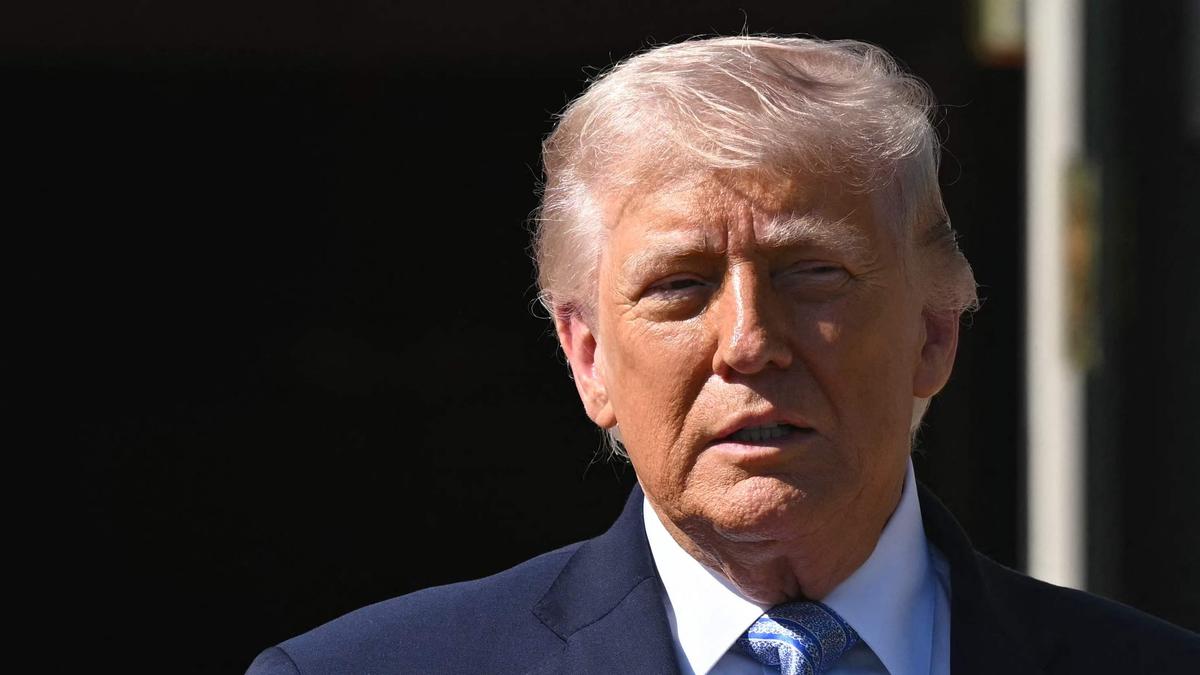
Donald Trump is not buying what Tehran is selling. On Monday, the President made it clear to his inner circle that the latest Iranian proposal to end the eight-week-old war is dead on arrival. The offer, delivered through Pakistani intermediaries, promised to reopen the Strait of Hormuz in exchange for a total lift of the U.S. naval blockade. To a casual observer, a deal that restores 20% of the world’s oil flow and pauses a hot war seems like a win. To Trump, it is a transparent stall tactic.
The sticking point is not just about oil or ships. It is about the nuclear clock. Iran’s 10-point plan conveniently pushes all nuclear negotiations into a "later phase," effectively demanding that the U.S. surrender its primary leverage—the blockade—before Tehran even considers dismantling its centrifuges. Secretary of State Marco Rubio underscored this refusal by stating that any agreement failing to "definitively prevent" a nuclear sprint is a non-starter. Building on this topic, you can find more in: The Weight of a Handshake across the Atlantic.
The Strategy Of The Delayed Fuse
Tehran is currently operating under a "reopen now, talk later" philosophy. By offering to unblock the Strait of Hormuz, they are targeting Trump’s most sensitive political nerve: the price of gas at American pumps. With midterm elections looming, the administration is feeling the heat of skyrocketed energy prices. Iran knows this. They are betting that the economic pressure on the White House will force Trump to accept a lopsided ceasefire.
This isn't just about regional stability. It is a sophisticated play to split the U.S. from its allies. While Washington holds the line on nuclear dismantlement, European and Asian markets are screaming for the return of Iranian and Gulf crude. If Trump rejects a "peace" offer that could lower oil prices, Tehran paints him as the sole aggressor in a global energy crisis. Observers at The Guardian have also weighed in on this matter.
Inside The Pakistani Channel
The mechanics of this negotiation are happening in the shadows of Islamabad. Vice President JD Vance and Steve Witkoff have spent the last week in high-stakes sessions with Iranian Foreign Minister Abbas Araghchi. These are not friendly chats. Sources familiar with the talks describe a room where trust is non-existent.
The U.S. counter-offer, a 15-point framework, demanded the unconditional surrender of Iran’s nuclear infrastructure and strict limits on ballistic missiles. Iran’s response was a 5-point counter-proposal that included demands for war reparations. This level of disconnect suggests that neither side is actually looking for a middle ground. They are looking for a victory.
The Blockade vs. The Chokehold
We are witnessing a double-sided siege. The U.S. naval blockade of Iranian ports has crippled the Islamic Republic’s ability to move what little oil it has left. Conversely, Iran’s presence in the Strait of Hormuz acts as a chokehold on the global economy.
Current Leverage Points
- U.S. Blockade: Targets Iranian revenue and forces the regime to face internal domestic unrest.
- Hormuz Closure: Pressures global markets and tests the patience of U.S. allies in the Gulf.
- Nuclear Enrichment: Iran’s ultimate "insurance policy" that continues while the war grinds on.
Trump’s refusal to accept the current proposal stems from a hard-earned lesson in Middle Eastern diplomacy: a temporary ceasefire often serves as a period for the adversary to re-arm. If the U.S. lifts the blockade now, Iran gets the cash it needs to sustain its proxies in Lebanon and Iraq. If the Strait remains closed, the global economy continues its slow-motion wreck.
The Shadow Of Israel
While the U.S. and Iran trade papers in Pakistan, Israel remains the wild card. The ceasefire announced on April 7 has been fragile at best. Israeli airstrikes on Lebanon continue, with Jerusalem maintaining that the truce does not apply to Hezbollah.
Iran has warned that if Israel is not "restrained," the missiles will fly again. This creates a trap for the Trump administration. If they sign a deal with Iran that doesn't include Israel’s security guarantees, the war simply shifts focus rather than ending. Trump’s "America First" doctrine is being tested by the reality that he cannot settle the Iran problem without also settling the Israel-Hezbollah front.
The Domestic Gamble
There is a growing rift within the White House. Some advisors argue for a "Phased De-escalation" to ease the burden on the American consumer. They see the reopening of the Strait as a necessary relief valve. However, the hawks, led by Rubio and Stephen Miller, view anything less than total capitulation as a defeat.
Trump’s personal brand is built on "The Deal." But he is also obsessed with not being seen as "weak" or "outsmarted" by a foreign regime. Accepting a proposal that ignores the nuclear threat would be seen as a retreat from his maximum pressure campaign. He is betting that the Iranian regime will break before the American voter does.
The reality on the ground is grim. Iranian power plants, oil wells, and desalination sites are on the target list if the "immediately" deadline passes without the Strait reopening. We aren't looking at a diplomatic breakthrough. We are looking at the final moments of a standoff where both sides have their fingers on the trigger, waiting to see who flinches first.
The proposal sitting on Trump's desk isn't an olive branch. It’s a tactical maneuver designed to buy time for a regime that is running out of it. By rejecting it, Trump is signaling that he is prepared for the war to get much worse before it ever gets better.