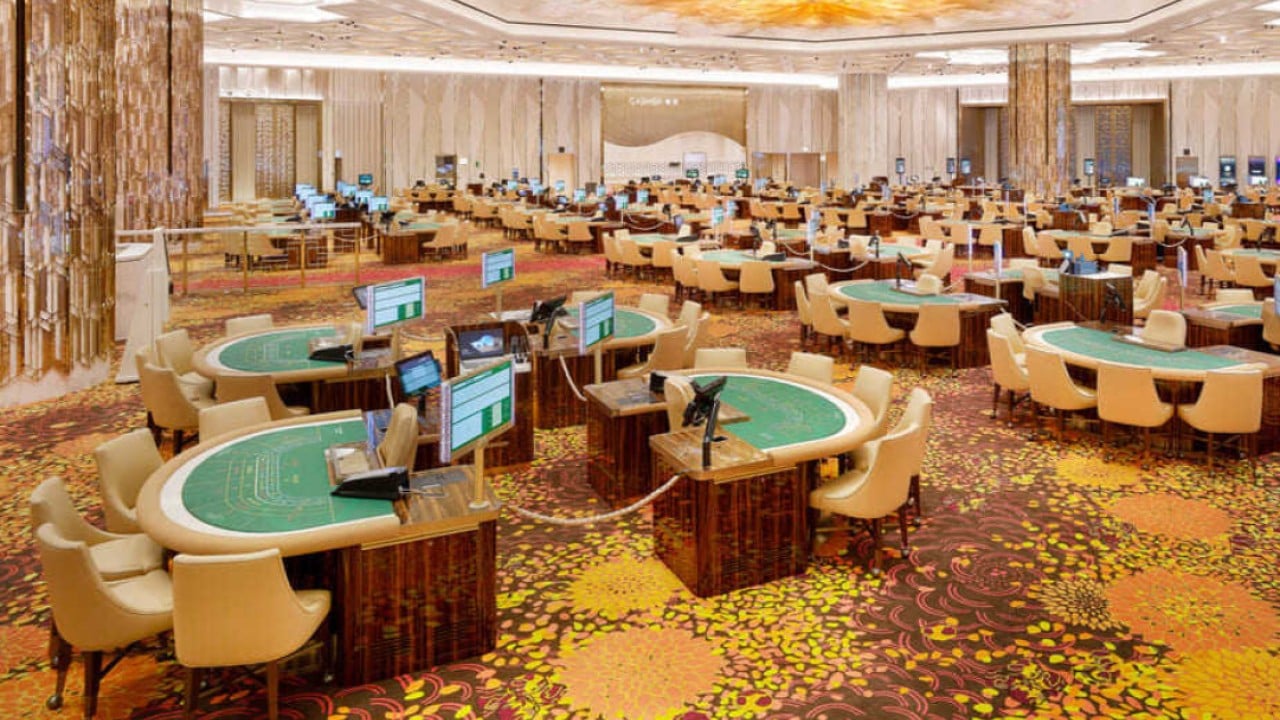
South Korea’s foreigner-only casinos are currently booking record-breaking monthly revenues, fueled by an aggressive visa-free initiative for Chinese tour groups. Yet, the public companies behind these tables are watching their stock prices crater to 12-month lows. This glaring disconnect between immediate cash flow and long-term equity valuation exposes a systemic vulnerability in East Asia's gaming architecture. While retail travel metrics look spectacular on paper, sophisticated institutional capital is quietly backing away from the baccarat tables.
The government's temporary visa waiver, running from late 2025 through June 2026, successfully triggered a massive influx of mass-market Chinese tourists. Tourism hubs like Jeju Island and integrated resorts in Incheon report soaring foot traffic. However, the foundational economics of the regional gaming market have fundamentally shifted. The high-rolling VIP market that historically sustained the immense profitability of these operations is under intense regulatory and structural siege.
The Mirage of the Mass Market
Operators like Paradise Co and Grand Korea Leisure (GKL) have reported monthly table revenues exceeding $60 million, but a granular look at the data reveals why the market remains deeply skeptical. Mass-market players now represent up to 86% of total visitation at several metropolitan properties. While these patrons occupy hotel rooms, buy retail goods, and line up at slot machines, their individual theoretical loss is a fraction of what a traditional VIP junket brings to the table.
+-------------------------------------------------------------+
|        South Korea Casino Operator Stock Performance        |
+-------------------------------------------------------------+
| Company                      | Recent 12-Month Share Status |
+------------------------------+------------------------------+
| Paradise Co                  | Hit 52-week low (KRW 12,220) |
| Grand Korea Leisure (GKL)    | Hit 52-week low (KRW 10,150) |
| Lotte Tour Development       | Hit 52-week low (KRW 14,070) |
+-------------------------------------------------------------+
The cost of acquiring and maintaining these mass-market volumes eats directly into operating margins. To fill the corridors of integrated resorts, properties are heavily discounting dining, offering free theme-park admissions, and running margin-diluting promotional packages. It takes dozens of casual tourist visits to match the revenue generated by a single high-value whale in a private salon. Consequently, while top-line revenue metrics look healthy, net profitability is increasingly volatile and vulnerable to minor shifts in operational overhead.
The Cross-Border Enforcement Squeeze
The elephant in the room is Beijing’s unyielding stance on cross-border capital flight. The Chinese government has systematically dismantled the shadow banking and junket networks that once funneled elite players from the mainland to foreign casino floors. Flying to Seoul or Jeju for a weekend of high-stakes gambling has become an incredibly high-risk endeavor for wealthy mainland citizens.
Capital controls are no longer just bureaucratic speed bumps; they are an existential wall for luxury VIP operations outside of China's direct administrative control.
Even with local diplomatic gestures and streamlined fast-track immigration lanes, the physical transfer of substantial gambling capital remains restricted. South Korea's foreigner-only laws strictly prohibit local citizens from stepping onto the gaming floors of 16 out of the country's 17 licensed venues. This structural dependency on international arrivals leaves operators entirely exposed to the geopolitical and economic decisions of neighboring capitals. When Beijing tightens its capital filters, the premium baccarat drop in Incheon dries up instantly.
The Looming Regional Turf War
Institutional investors are looking past the current visa-driven visitor spike and staring directly at an upcoming competitive threat. The regional gaming market is about to get much more crowded.
Japan is actively progressing with its multi-billion-dollar integrated resort project in Osaka. Thailand is moving at an unprecedented regulatory pace to legalize and develop its own commercial casino sector. South Korea's exclusive reliance on a foreign-only model places it at a distinct competitive disadvantage against upcoming mega-resorts that will boast massive, legal domestic consumer bases to stabilize their cash flows.
A local operator relying purely on international air bridges cannot easily match the economic scale and capital expenditure of a resort backed by domestic patronage. Paradise Co’s strategic move to acquire premium hospitality assets in Seoul and announce an all-suite luxury hotel expansion is a clear acknowledgment of this reality. Operators are trying to pivot toward luxury lifestyle branding because they know the pure gaming play is losing its defensible moat.
The current revenue surge is a policy-induced high. When the temporary visa-free policy expires, South Korean operators will face the stark reality of a regional market where the profitable VIP segment has fundamentally adapted, and regional competition is rapidly intensifying. Relying on transient mass tourism to sustain massive luxury properties is a fragile strategy.


