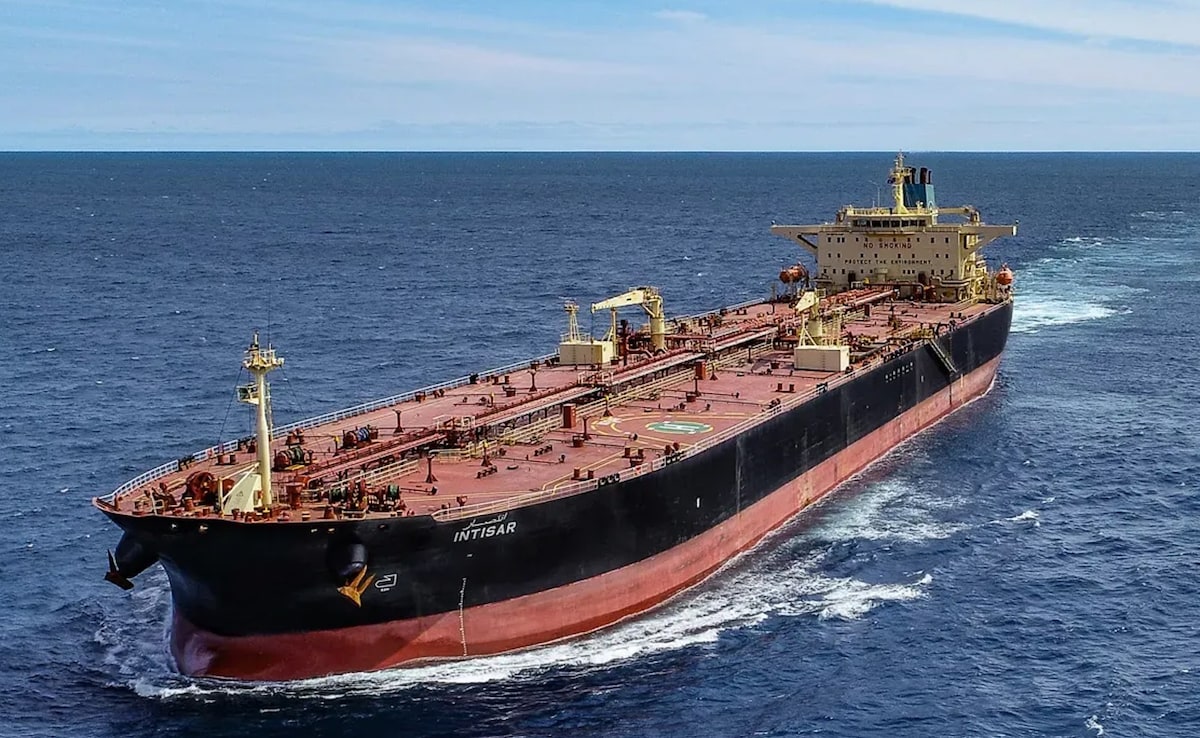
The Aframax tanker Ping Shun is currently slicing through the Arabian Sea, carrying 600,000 barrels of Iranian crude toward the Vadinar port in Gujarat. On the surface, this is a logistical headline about a single shipment. In reality, it represents the first major crack in a seven-year blockade and a desperate gamble by Washington to prevent a global energy meltdown.
This isn't just about India finding a cheaper source of fuel. It is the result of a quiet, 30-day "emergency window" opened by the U.S. Treasury to flush "on the water" Iranian oil into the market. With the Strait of Hormuz paralyzed by regional conflict and global inventories hitting critical lows, the pragmatism of the pump has officially overtaken the idealism of the sanction.
The Ghost Fleet Steps Into the Light
For years, the Ping Shun existed in the shadows, part of a "dark fleet" that utilized ship-to-ship transfers and disabled transponders to move sanctioned molecules. Now, under the U.S. General License U, it is broadcasting its destination openly. This shift from clandestine to overt trade is a calculated move by New Delhi to test the limits of Western tolerance.
The 600,000 barrels are reportedly destined for the Vadinar refinery, operated by Nayara Energy. The choice of location is no accident. Vadinar has the deep-water infrastructure to handle high-sulfur Iranian grades, and Nayara—backed by Russian interests—has less to lose from Western diplomatic friction than state-run entities like Indian Oil Corporation.
Why the Sanctions Wall Crumbled
Washington didn't blink because of a change in heart. They blinked because they ran out of options. Global oil prices have been flirting with triple digits as conflict in West Asia choked the world's most vital maritime chokepoints.
- Supply Scarcity: India’s crude imports dropped 23% in March 2026 due to the Hormuz closure.
- The 30-Day Escape Valve: The U.S. waiver, set to expire April 19, allows for the sale of Iranian oil already loaded on vessels.
- The Price Gap: Iranian barrels are currently trading at a $3 to $9 discount per barrel compared to international benchmarks, a margin too wide for Indian refiners to ignore.
While the U.S. maintains this is a temporary stabilization measure, New Delhi is treating it as a proof-of-concept for a permanent return to the Rupee-Rial mechanism. By bypassing the SWIFT banking system, India can settle trade in local currency, which Iran then uses to purchase Indian medicines and grain. This "humanitarian loophole" provides the diplomatic cover necessary to keep the lights on in Delhi without technically violating the spirit of international law.
The Logistics of a High-Stakes Arrival
The Ping Shun is expected to dock on April 4. But the arrival of the ship is the easy part. The real challenge lies in the insurance and certification of the cargo. Most top-tier maritime insurers still refuse to touch Iranian shipments, forcing India to provide sovereign guarantees or rely on obscure, state-backed Iranian insurers.
This creates a massive environmental and financial risk. If a "dark fleet" vessel like the Ping Shun, often aged 20 years or more, suffers a spill in Indian waters, the legal battle over liability would be a nightmare. Yet, the pressure on domestic fuel prices is so intense that the Indian government is willing to swallow that risk.
Beyond the April 19 Deadline
The industry is currently obsessed with whether this 30-day window will be extended. History suggests that once the oil starts flowing, it’s hard to shut the valve. India used to rely on Iran for nearly 11% of its total crude needs before the 2019 cutoff. Rebuilding that trade route provides a vital counterbalance to the current over-reliance on Russian and Iraqi barrels.
The return of Iranian crude to Gujarat isn't a sign that the geopolitical climate is cooling. It is a sign that the global economy is so fragile it can no longer afford the luxury of its own sanctions.
Refiners are already looking at the 95 million barrels of Iranian oil currently sitting in floating storage across the globe. If the Ping Shun docks without a diplomatic incident, expect a frantic rush of similar "dark" vessels to suddenly find their voices and signal for Indian ports. The era of zero-tolerance for Iranian oil ended the moment the first barrel was pumped into the Vadinar tanks.