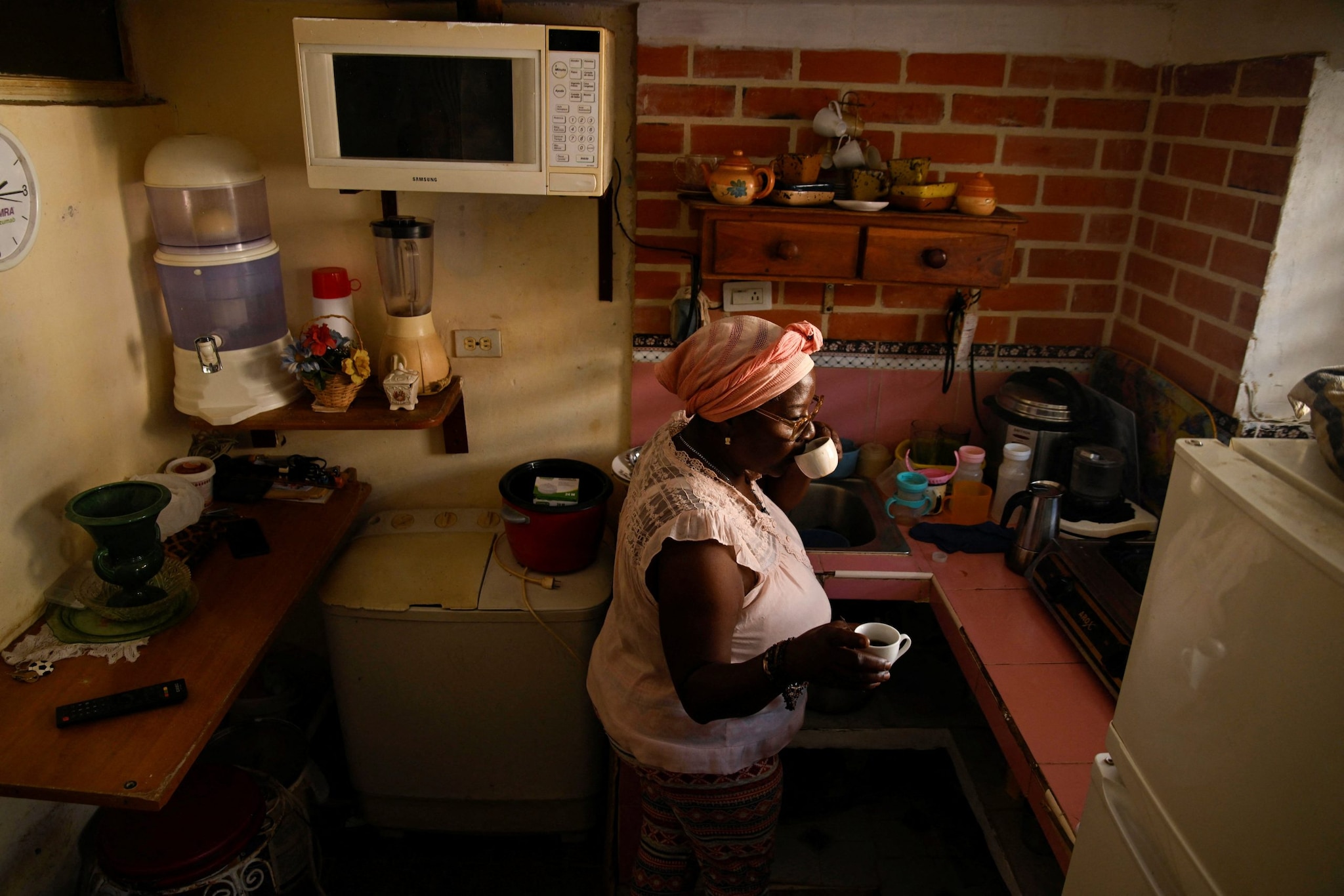
Cuba is a country where the lights don't just flicker. They stay off. When the national grid collapsed recently, leaving ten million people in total darkness, it wasn't a freak accident. It was the inevitable result of a crumbling energy system pushed past its breaking point. While officials in Havana point fingers at Washington and the aging thermoelectric plants groan under the strain, the reality on the ground is a brutal mix of geopolitical pressure and decades of deferred maintenance.
You've probably heard the official line. The Cuban government blames the US trade embargo for preventing the purchase of spare parts and fuel. The US often counters that the island's economic woes are the product of systemic mismanagement. Both sides have a point, but neither tells the whole story of why a nation of millions can suddenly lose the ability to keep a single lightbulb burning. In related news, take a look at: The Sabotage of the Sultans.
A Grid Held Together by Duct Tape and Hope
The backbone of Cuba's energy infrastructure is a series of Soviet-era thermoelectric plants. These facilities aren't just old. They're ancient. Most have surpassed their 30 or 40-year life expectancy by a wide margin. Imagine trying to run a modern city on the engine of a 1970s Lada that hasn't had an oil change in a decade. That’s the Cuban grid.
The Antonio Guiteras plant in Matanzas is the most visible symbol of this decay. It’s the largest and most important plant on the island. When it trips, the whole country feels it. These plants require constant, specialized maintenance that Cuba simply can’t afford. Because the US "oil chokehold"—as some call the sanctions—targets tankers and insurance companies, getting fuel to these plants is a logistical nightmare. BBC News has analyzed this fascinating issue in extensive detail.
When you can't get the right grade of crude or the specific gaskets needed for a high-pressure boiler, you improvise. But you can only improvise for so long before the laws of physics catch up with you. The result? Total system failure.
The Venezuelan Lifeline Is Fraying
For years, Cuba relied on a "doctors for oil" swap with Venezuela. It was a stable arrangement that kept the lights on. But Venezuela has its own massive problems now. Their production has cratered, and they’ve significantly dialed back the subsidized shipments they once sent to Havana.
Cuba has been forced to look elsewhere, scrambling to buy fuel on the open market at spot prices. Here’s the kicker: they don’t have the hard currency to do it. The tourism industry, which was supposed to be the island's economic engine, hasn't fully recovered from the pandemic. Without dollars or euros, you don't get oil.
I’ve seen reports of the government trying to bridge the gap with floating power plants—massive barges leased from Turkish companies like Karadeniz Holding. These "powerships" are basically giant generators plugged into the local coast. They help. They provide a quick injection of megawatts. But they’re a temporary fix, not a permanent solution. They’re also expensive, and if Cuba falls behind on payments, the ships can literally pull the plug and sail away.
Why the US Embargo Actually Matters Here
Critics of the Cuban government often dismiss the embargo as an excuse. It’s true that internal bureaucracy and a lack of market reforms have crippled the economy. However, you can't ignore the "chokehold" aspect when it comes to energy.
The Helms-Burton Act and the designation of Cuba as a State Sponsor of Terrorism by the US make international banks terrified of touching anything related to the island. If a European company wants to sell a replacement turbine to Cuba, they risk being shut out of the US financial system. Most companies won't take that risk for a relatively small contract.
This creates a "compliance chill." It’s not just that the US forbids certain sales; it’s that the global financial architecture is so interconnected that US policy dictates what a company in France or Japan can do. This makes the procurement of specialized energy equipment nearly impossible without paying a massive "risk premium" through third-party intermediaries.
The Human Cost of Energy Poverty
When the grid goes down, life in Cuba stops. Food in the few functioning refrigerators rots. Water pumps stop working because they lack electricity, leading to shortages of drinking water. Hospitals have to rely on backup generators that are often as temperamental as the main grid.
In the heat of the Caribbean, no fans or air conditioning means nights of sleepless misery. This isn't just an inconvenience. It’s a catalyst for social unrest. We saw this in July 2021, when blackouts were a major factor in the largest protests the island had seen in decades. The government knows that electricity is the thin line between a fragile peace and open revolt.
To manage the limited supply, the state-run electric company (UNE) implements "programed" blackouts. They rotate power across different provinces. But lately, those schedules have become a joke. People are told they'll have six hours of power, only to get two.
Decentralizing the Grid Is the Only Way Out
The Cuban government has started talking about "energy sovereignty" through renewables. It sounds great on paper. They want to install millions of solar panels. But the transition is painfully slow.
One smart move they've allowed is the import of solar equipment by private individuals. If you have family in Miami who can send you a solar kit or a small gas generator, you’re the king of your block. We’re seeing a shift where those with access to foreign currency can create their own personal energy grids, while the rest of the population remains at the mercy of the crumbling national system.
This creates a new kind of inequality. It’s no longer just about who has more money; it’s about who has light.
What Actually Happens Next
Don't expect a sudden fix. The Cuban energy crisis is structural. To truly modernize the grid, the country needs billions of dollars in investment—money it doesn't have and can't borrow.
If you're watching this situation, keep an eye on Russia and China. Both have made noises about helping Cuba repair its infrastructure. Russia has sent oil shipments recently to ease the immediate pressure, and China has provided some solar technology. But neither seems willing to write a blank check to rebuild the entire system from scratch.
For the average person in Havana or Santiago, the immediate future involves more "alumbrones"—those rare, fleeting moments when the lights actually come on. They'll keep charging their phones and flashlights whenever they can, living life in 15-minute bursts of connectivity.
The only real path to stability involves a massive infusion of capital and a fundamental shift in how the island procures fuel. Until the diplomatic stalemate with the US shifts or a major creditor decides that Cuba’s strategic value is worth the cost of its power bill, the island will remain trapped in this cycle of darkness.
If you're looking to help or understand the impact on the ground, focus on organizations providing decentralized energy solutions. Small-scale solar and portable power are currently doing more for individual Cuban families than the entire national Ministry of Energy and Mines. Keep an eye on the fuel shipment trackers in the Caribbean; those tankers are the only thing standing between the current struggle and a total humanitarian collapse.