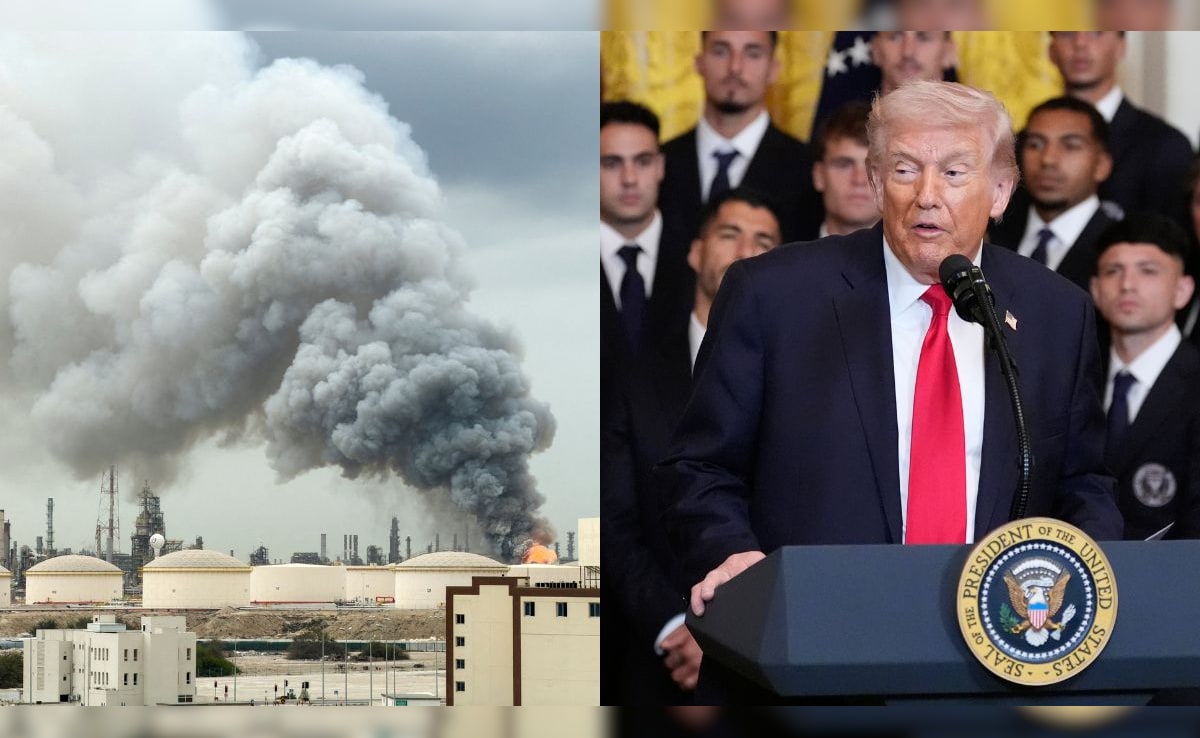
The White House just threw a new set of buzzwords at the wall, and they’re sticking. "Destroy, Deny, Weaken" isn't just another military slogan. It's a calculated shift in how the United States plans to handle the spiraling conflict with Iran. If you've been following the news, you know the situation in the Middle East has moved past simple posturing. We're now seeing the actual architecture of a new American war strategy.
For years, the goal was "containment" or "maximum pressure." Those days are gone. The latest updates from the White House suggest the current administration has moved from trying to change Iran's behavior to dismantling its capacity to act altogether. It's a subtle but massive pivot that changes the stakes for everyone from the average citizen in Tehran to oil traders in New York.
Breaking Down the Strategy
What do these three words actually look like on the ground? It's not just about dropping bombs. It's about a multi-layered approach to neutralizing a regional power without necessarily committing to a decades-long ground occupation like we saw in Iraq or Afghanistan.
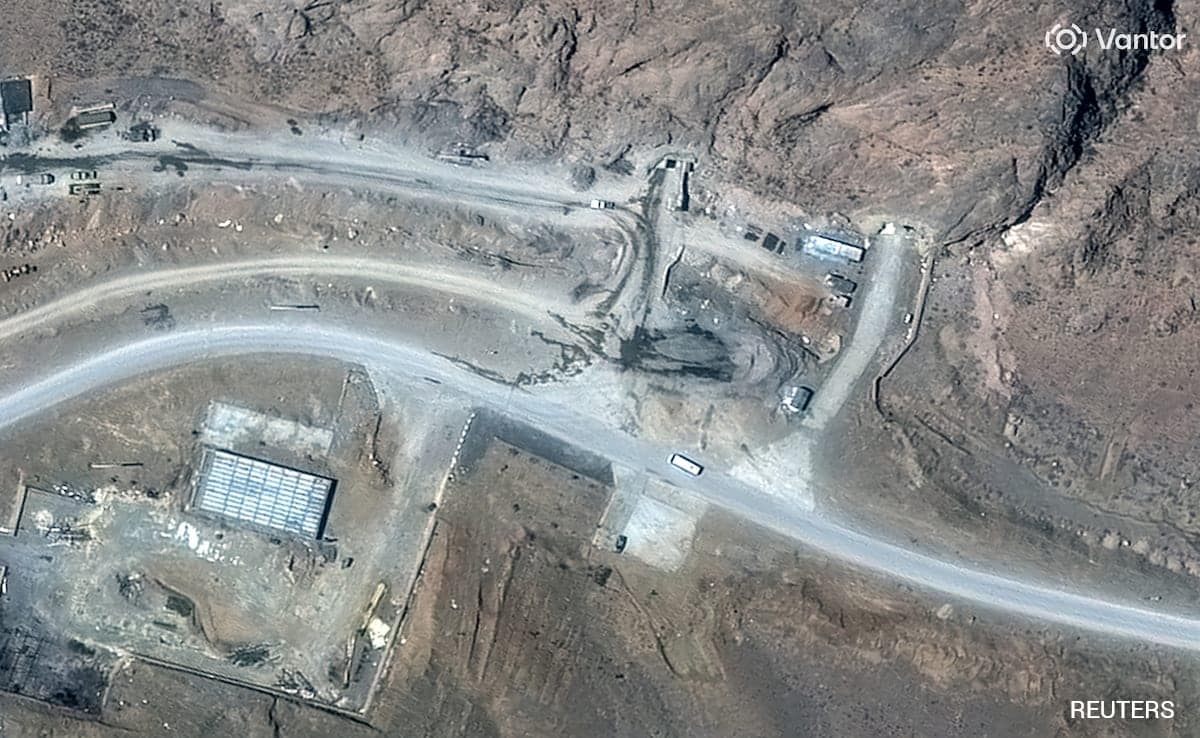
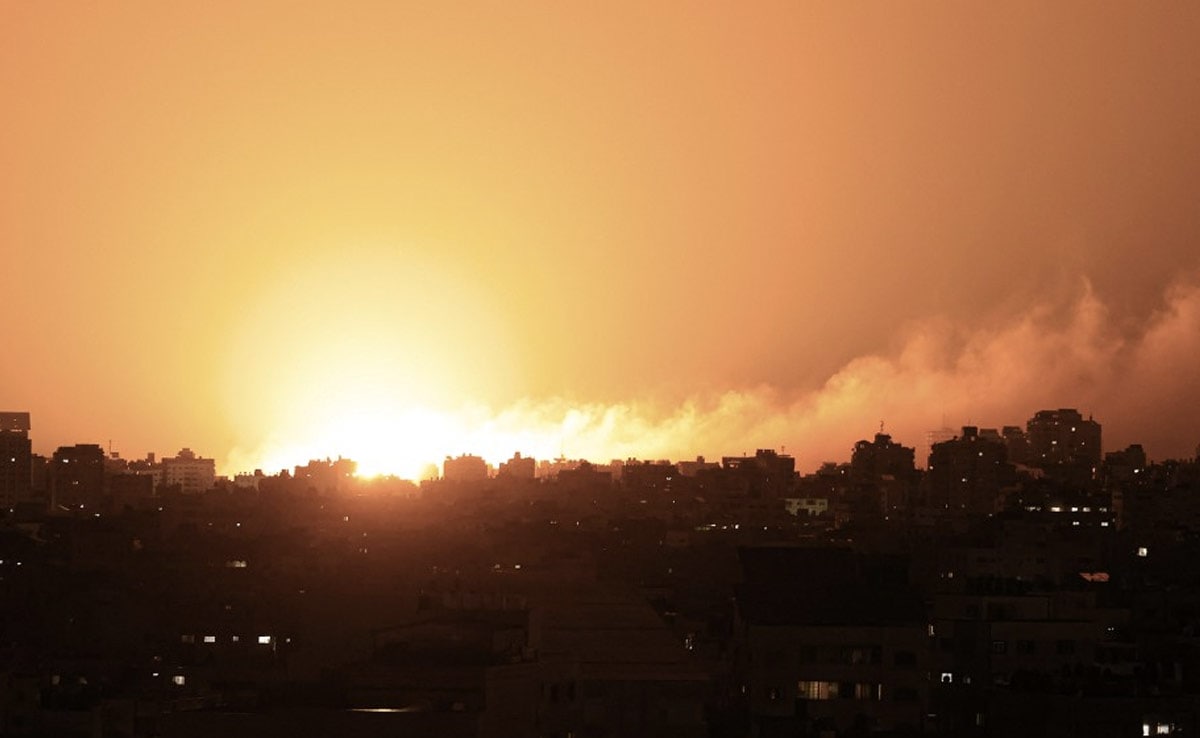
- Destroy: This is the kinetic part. We're talking about the physical elimination of ballistic missile sites, naval assets, and command centers. Recent reports from the Pentagon highlight the use of long-range Precision Strike Missiles (PrSMs) to take out launchers before they can even fire. The goal here is simple: if they can't launch it, they can't hurt you.
- Deny: This is more about geography and technology. It’s about blocking Iran’s access to the Strait of Hormuz and denying them the ability to use their proxies—Hezbollah, the Houthis, and various militias—as a shield. By cutting the "land bridge" and the maritime routes, the U.S. aims to isolate the regime.
- Weaken: This is the long game. It’s the systematic degradation of the Islamic Revolutionary Guard Corps (IRGC) through targeted strikes on their leadership and financial networks. The idea is to make the regime so fragile that it can't maintain control internally, let alone project power externally.
The Shift from Nuclear to Conventional
One of the biggest misconceptions right now is that this is still just about the nuclear program. While preventing a nuclear-armed Iran remains a top priority, the "Destroy, Deny, Weaken" framework suggests the U.S. is now equally concerned with Iran’s conventional reach.
Secretary of State Marco Rubio recently pointed out that even without a nuke, Iran's ballistic missile stockpile and drone fleet are enough to destabilize global trade and threaten every U.S. base in the region. The White House is signaling that they won't wait for a "breakout" moment. They’re treating the existing conventional threat as a justification for preemptive action.
Why This Isn't Just Another Operation
You’ve heard names like "Midnight Hammer" and "Epic Fury" tossed around. These aren't just flashy names for the same old air strikes. These operations represent a shift toward what some military analysts call "decapitation strikes."
Take the recent events in early March 2026. The reported killing of high-ranking Iranian officials, including the Supreme Leader, wasn't a byproduct of the war—it was the objective. The White House is betting that by removing the head of the snake, the body will fail. It’s a high-risk gamble. If the regime collapses into chaos, the U.S. might find itself with a vacuum it isn't prepared to fill. But the current stance is clear: the risk of a functioning, aggressive Iranian regime is now seen as greater than the risk of a failed state.
The Economic Ripple Effect
If you think this only matters to people in the Middle East, check your gas bill. The closure of the Strait of Hormuz, through which about 20 million barrels of oil flow daily, has already sent shockwaves through global markets. India is scrambling for Russian crude, and domestic prices are creeping up everywhere.
The "Deny" part of the strategy is the most difficult to execute without tanking the global economy. How do you deny Iran control of the waterway without turning the whole Persian Gulf into a graveyard for tankers? The U.S. Navy is trying to walk that tightrope right now, but it's a mess. Honestly, any claim that this won't hit your wallet is just political spin.
What Happens Next
The White House says we’re on a "four-week timeline," but we've heard that before. The reality is that "Destroy, Deny, Weaken" is a process, not an event. You should expect to see:
- Continued precision strikes on IRGC command structures.
- A push for "unconditional surrender" terms that include the full dismantling of the ballistic missile program.
- Increased support for internal Iranian protests, essentially hoping the Iranian people will do the "ground war" part themselves.
Don't expect a neat ending. Even if the military objectives are met, the political fallout will last for years. If you want to stay ahead of this, watch the drone and missile numbers. If Iran's launch capability stays down, the "Destroy" phase is working. If the oil starts flowing again, "Deny" has moved into a new phase. But if the regime stays standing after all this, the whole strategy might be back to the drawing board.
The best thing you can do right now is diversify your energy-related investments and keep a close eye on official CENTCOM updates—they’re usually a few hours ahead of the major news networks when it comes to actual movement on the ground.