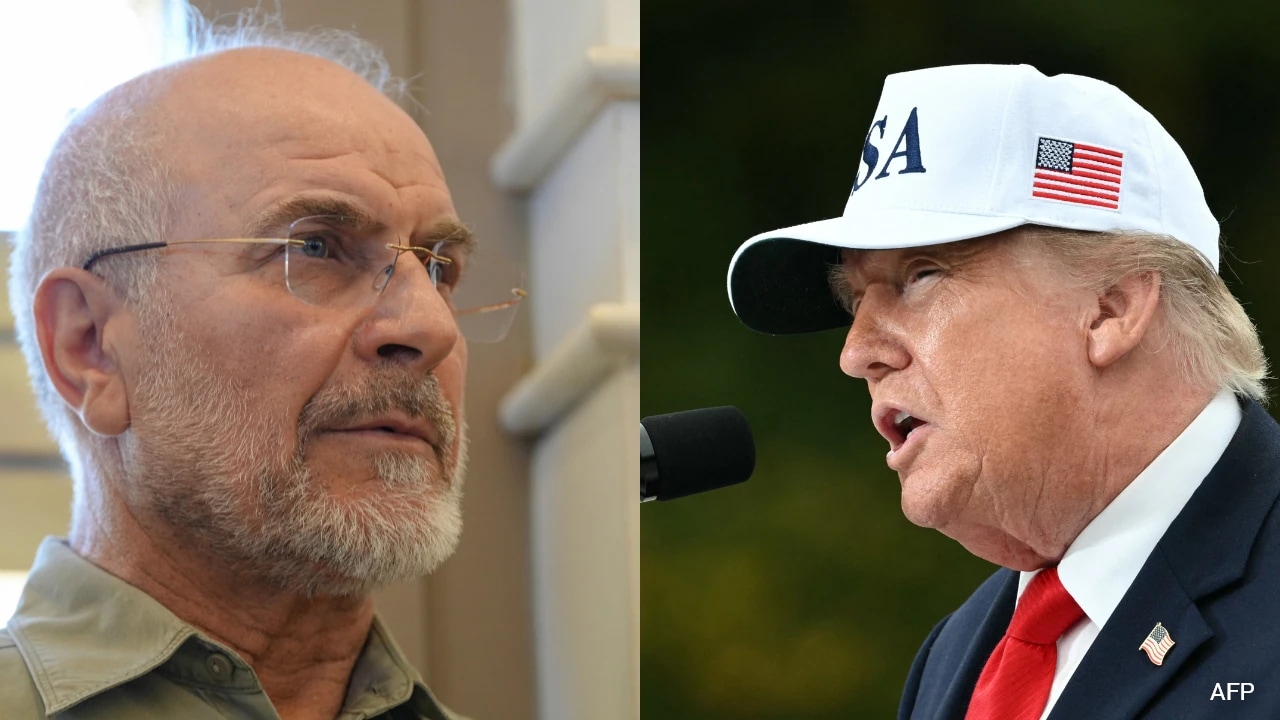
When a senior Iranian negotiator looks at American midterm election results and declares that "Americans said no to war," the statement makes for an attention-grabbing headline. It fits a neat, comforting narrative: voters went to the ballot box, evaluated the administration's foreign policy toward Tehran, and delivered a decisive verdict against military escalation.
That interpretation misunderstands how American domestic politics actually function. Treating a midterm election as a single-issue referendum on Persian Gulf security confuses domestic economic grievances with an explicit foreign policy mandate—and misreading those signals carries real risks for both Washington and Tehran.
The Structural Reality of Midterm Elections
In almost every modern midterm cycle, the president's party loses seats in Congress. Political scientists refer to this as the "midterm penalty," a structural feature driven by thermostatic public opinion, differential turnout, and voter frustration with domestic conditions.
Exit polling and historical voter behavior consistently demonstrate that American midterm electorates are overwhelmingly motivated by immediate, tangible concerns:
- Cost of living and inflation: Grocery prices, housing affordability, and energy costs dominate ballot-box decision-making.
- Healthcare and entitlements: Proposed changes to domestic social safety nets reliably mobilize older and swing voters.
- Partisan mobilization: Out-party voters historically turn out at higher rates to check the executive branch, regardless of international crises.
Foreign policy rarely cracks the top tier of voter priorities unless the United States is actively engaged in a large-scale ground war with high American casualties. Even during periods of heightened tension with Iran—such as the withdrawal from the Joint Comprehensive Plan of Action (JCPOA), the imposition of "maximum pressure" sanctions, or retaliatory strikes in the region—foreign policy remains a secondary or tertiary factor for the vast majority of congressional districts.
When Iranian officials interpret a ruling party's midterm losses as a direct rejection of confrontation with Tehran, they are projecting their own strategic priorities onto an electorate that was largely voting about domestic kitchen-table issues.
Why Tehran Promotes the "Anti-War Mandate" Narrative
Statements from Iranian diplomats framing U.S. domestic setbacks as victories for restraint are not casual observations; they are calculated diplomatic messaging aimed at three distinct audiences:
- The Iranian Domestic Public: Facing severe economic strain from sanctions, inflation, and internal unrest, officials in Tehran need to demonstrate that their resistance strategy is working. Portraying the American electorate as turning against its own leadership validates the government's endurance.
- European and Regional Intermediaries: By framing the administration in Washington as politically weakened at home, Iranian negotiators attempt to convince European counterparts and Gulf neighbors that the U.S. lacks the domestic backing to sustain prolonged pressure or follow through on military threats.
- The White House and Congress: Messaging that "Americans said no to war" is designed to reinforce isolationist or restraint-oriented factions within the U.S. political spectrum, widening internal American divisions over how to handle Iran's nuclear program and regional proxy network.
As Middle East analysts and former U.S. diplomats have repeatedly noted, Iranian leadership closely tracks American electoral cycles. However, viewing American domestic polarization strictly as a constraint on U.S. action often leads foreign adversaries to miscalculate how Washington behaves under political pressure.
The Danger of Misreading Domestic Politics as Strategic Retreat
History shows that a president facing a divided Congress or diminished domestic approval does not automatically become passive abroad. In fact, the constitutional design of the United States grants the executive branch wide latitude in foreign affairs and national security—precisely the arena where a president can act without needing legislative consensus from an opposition-controlled House or Senate.
Consider the mechanics of U.S. foreign policy when domestic avenues are blocked:
- Sanctions and Executive Orders: Imposing or tightening financial sanctions does not require new congressional legislation. The Treasury and State Departments can escalate economic pressure unilaterally.
- Deterrence and Force Posture: Deploying carrier strike groups, adjusting air defense assets in the Middle East, or authorizing targeted strikes against regional militias fall under the president's authority as Commander-in-Chief.
- Bipartisan Hawks on Iran: Even when voters shift control of Congress to the opposition party, scepticism toward the Iranian government remains one of the few areas of broad bipartisan consensus in Washington. A new congressional majority often pushes for stricter oversight and tougher sanctions on Tehran, rather than accommodating diplomatic concessions.
Imagine a scenario where negotiators in Tehran delay nuclear talks or expand regional proxy operations under the assumption that midterm losses have paralyzed the White House. Instead of encountering a weakened, hesitant adversary, they risk triggering a sharp executive response from an administration seeking to project strength abroad while facing gridlock at home.
What Actually Drives U.S.-Iran Policy
If midterm election results do not dictate Washington's posture toward Tehran, what does? Three concrete factors carry far more weight in shaping American decision-making than congressional seat counts:
1. Nuclear Breakout Timelines
Technical assessments from the International Atomic Energy Agency (IAEA) regarding uranium enrichment levels, centrifuge deployment, and oversight access remain the primary tripwires for U.S. policy. Regardless of which party holds the House or Senate, crossing specific nuclear thresholds forces an immediate strategic response from the executive branch.
2. Regional Deterrence and Maritime Security
Attacks on commercial shipping in the Strait of Hormuz or the Red Sea, along with strikes targeting U.S. personnel in Iraq, Syria, or Jordan, alter Washington's calculus overnight. Domestic voter fatigue with foreign entanglements evaporates quickly when American service members are killed or global energy supplies are disrupted.
3. Global Great-Power Alignment
Tehran's deepening defense and drone-supply ties with Moscow, alongside its economic reliance on Beijing, have transformed U.S.-Iran policy from a standalone regional issue into a component of broader great-power competition. Lawmakers who might otherwise favor restraint in the Middle East view Iran's support for Russia's war effort in Europe as a direct threat to wider Western security interests.
Common Misconceptions About U.S. Elections and Foreign Policy
Does a shift in congressional control automatically end U.S. sanctions or military deployments?
No. While Congress holds the "power of the purse" and can pass resolutions expressing war-powers preferences, overriding a presidential veto requires a two-thirds supermajority in both chambers. Existing sanctions regimes and baseline military postures remain intact unless the president actively chooses to unwind them.
Are American voters completely indifferent to Middle East conflicts?
Voters generally oppose large-scale, open-ended ground invasions—a lasting legacy of the wars in Iraq and Afghanistan. However, public opinion polling consistently shows strong support for preventing Iran from acquiring a nuclear weapon and for defending U.S. troops when attacked. Opposing a prolonged ground war is not the same as demanding diplomatic capitulation.
Does diplomatic rhetoric from negotiators reflect actual negotiating positions?
Public statements made to state media or international press outlets are designed to set framing and build leverage before talks begin or resume. Actual negotiating flexibility is tested in closed-door channels, often mediated through regional partners like Oman or Qatar, where both sides deal in concrete concessions rather than electoral talking points.
The Risks of Assuming Constraint
There is a legitimate debate within Washington over the effectiveness of maximum pressure versus diplomatic engagement, and critics of hawkish policies rightly point out that unilateral sanctions alone have not halted Iran's nuclear advancements. Yet assuming that a domestic electoral setback ties an administration's hands is a strategic blind spot.
American voters went to the polls focused on their wallets, their neighborhoods, and their domestic political grievances. Treating those ballots as a clear directive on Tehran's nuclear negotiations mistakes coincidence for consensus—and in high-stakes diplomacy, acting on the wrong diagnosis is how miscalculations turn into crises.