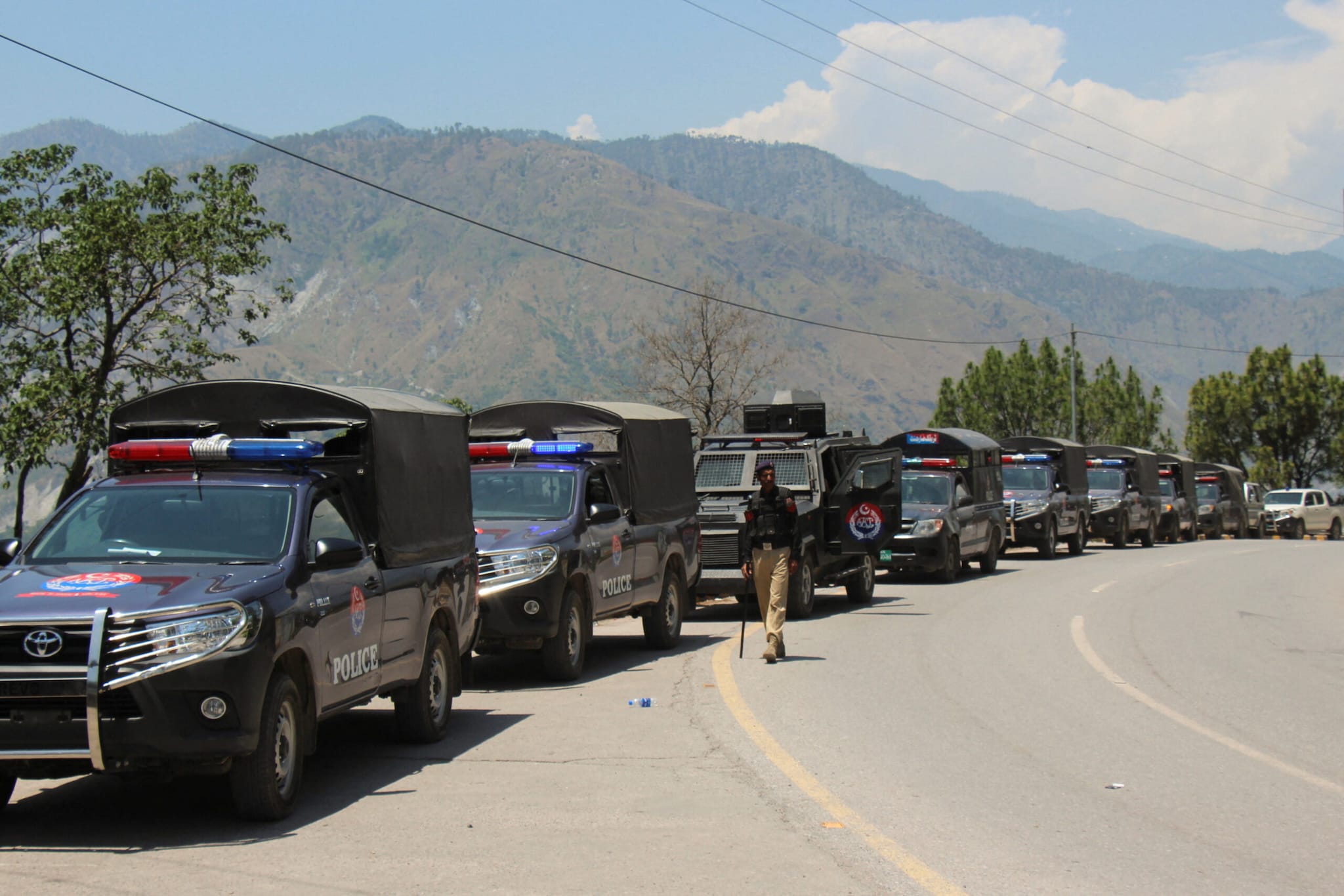
The blood on the streets of Rawalakot isn't just about a sudden spike in local unrest. It's the explosion of a pressure cooker that has been simmering for years. When 11 people died during the violent clashes between security forces and protesters on the night of June 7, the regional capital of Muzaffarabad and surrounding towns ground to an absolute halt. Deserted markets, shuttered storefronts, and an eerie silence broken only by passing police patrols told the real story. This is a deep, structural breakdown between the state and the people it governs.
If you want to understand why a civil society strike can paralyze an entire region overnight, you have to look past the immediate police reports. The state attributes the chaos to "miscreants" and guerrilla tactics. The protesters call it a state-sponsored massacre. The truth is that Pakistan-administered Kashmir, often called Azad Jammu and Kashmir (AJK), is facing a fundamental crisis of political representation and economic survival that Islamabad can no longer paper over with emergency decrees.
The Spark That Ignited Rawalakot
The immediate trigger for the violence sounded like a localized tragedy, but it quickly snowballed. It started with the death of a local trader and activist affiliated with the Joint Awami Action Committee (JAAC), who was shot during an earlier altercation with law enforcement. Infuriated by the killing, thousands of JAAC supporters gathered outside the Combined Military Hospital in Rawalakot, demanding a post-mortem examination and refusing to bury the body until they got answers.
When police tried to clear the crowd, the situation shattered. According to Poonch Commissioner Sardar Waheed Khan, protesters used firearms and petrol bombs in a "guerrilla-style" assault from narrow alleys. The official state narrative claims that four police officers and a passerby were killed by these shots, prompting security forces to fire back, which killed six protesters.
JAAC organizers and local residents tell a completely different story. They argue the civilian death toll is much higher than the official tally, accusing the state of using automatic rifles on unarmed demonstrators. Police Chief Liaqat Malik reported that at least 23 security personnel and 50 protesters were injured, while independent reports put total injuries well over 70.
Instead of calming the waters, the government doubled down. They officially banned the JAAC under anti-terrorism legislation, slapped sedition cases on four top leaders, and announced a massive 10 million rupee bounty for their arrest.
The Battle Over Reserved Refugee Seats
You might wonder why a civil society group focused on economic issues would find itself banned under anti-terror laws. The real conflict centers on the upcoming July 27 legislative assembly elections. The regional administration recently decided to reserve 12 seats in the 45-member assembly for refugees who fled Indian-administered Kashmir but currently live entirely outside AJK, scattered across mainland Pakistan.
The JAAC and its massive base see this as a blatant gerrymandering tactic. These 12 seats are contested by candidates who don't live in Kashmir, yet they hold immense power over local legislation. Locals argue that these proxy seats give political parties in Islamabad the power to manufacture majorities in the Muzaffarabad assembly, completely diluting the votes of the people who actually live, work, and pay taxes in the region.
It's a classic crisis of disenfranchisement. The people of Rawalakot don't feel represented by a system that imports its political weight from the outside. The demand is simple: scrap the 12-seat refugee arrangement and give locals total control over their own legislative body.
A Legacy of Economic Grievances
This current explosion didn't happen in a vacuum. The JAAC has been a thorn in the side of the regional administration for over two years, initially gaining momentum in May 2023. Back then, it wasn't about electoral seats; it was about basic survival.
Kashmiris took to the streets to protest skyrocketing electricity tariffs, systemic flour smuggling, and a brutal shortage of subsidized wheat. Locals felt a deep sense of betrayal. The region produces cheap hydroelectric power that feeds into Pakistan's national grid, yet the residents themselves face rolling blackouts and exorbitant utility bills.
The movement hit its first major flashpoint a year ago, when a long march toward Muzaffarabad ended in clashes that killed five people, including a police officer. That conflict resulted in the Muzaffarabad Agreement on October 4, 2025, where the government promised sweeping economic concessions. But those promises fell flat. The core grievances were never truly resolved, and the recent move to manipulate the legislative assembly seats was the final straw.
The International Backlash and Digital Blackouts
Islamabad's playbook for handling unrest in AJK has become entirely predictable. First comes the brute force, then the digital curtain drops.
Authorities quickly suspended mobile internet and data services across several districts to stop protesters from coordinating their next moves. But the information blackout failed to keep the news from leaking out. Activists managed to post video messages on social media platforms, showing empty streets and alleging widespread human rights violations. Amnesty International blasted the state's response, calling the internet shutdowns, mass arbitrary arrests, and deadly use of force an alarming deterioration of human rights.
The fallout has jumped well beyond Pakistan's borders. In the UK, members of the Kashmiri diaspora staged massive demonstrations outside the Pakistani Consulate in London and Bradford, claiming they have verified video evidence of excessive force. The unrest caught the attention of British lawmakers, with dozens of MPs writing directly to the UK government to demand urgent diplomatic intervention.
The worsening security situation has also triggered immediate travel advisories from Western nations. The UK, Australia, and Canada updated their warnings for the region, telling foreign nationals to steer clear of the area due to imminent threats of communication blackouts, sudden road closures, and heavy paramilitary deployments.
What Actually Changes the Equation
The Human Rights Commission of Pakistan has rightly pointed out that meaningful dialogue is impossible while a region is completely disenfranchised. Slapping anti-terror labels on civil rights activists and offering multi-million rupee bounties won't make the underlying economic and political grievances go away.
The state needs to realize that the old tactics of cutting cellular networks and using kinetic force only harden the resolve of the population. If the government wants to permanently restore stability before the July elections, it has to roll back the aggressive anti-terror charges against the JAAC leadership and open an independent, transparent investigation into the Rawalakot casualties. More importantly, Islamabad needs to reconsider the 12 reserved refugee seats that triggered this disaster in the first place. Until local representation is secured and the economic promises of the 2025 Muzaffarabad Agreement are actually fulfilled, any peace achieved by police batons will be temporary at best. Keep your eyes on the regional developments over the coming weeks; the political landscape of this frontier has permanently shifted.