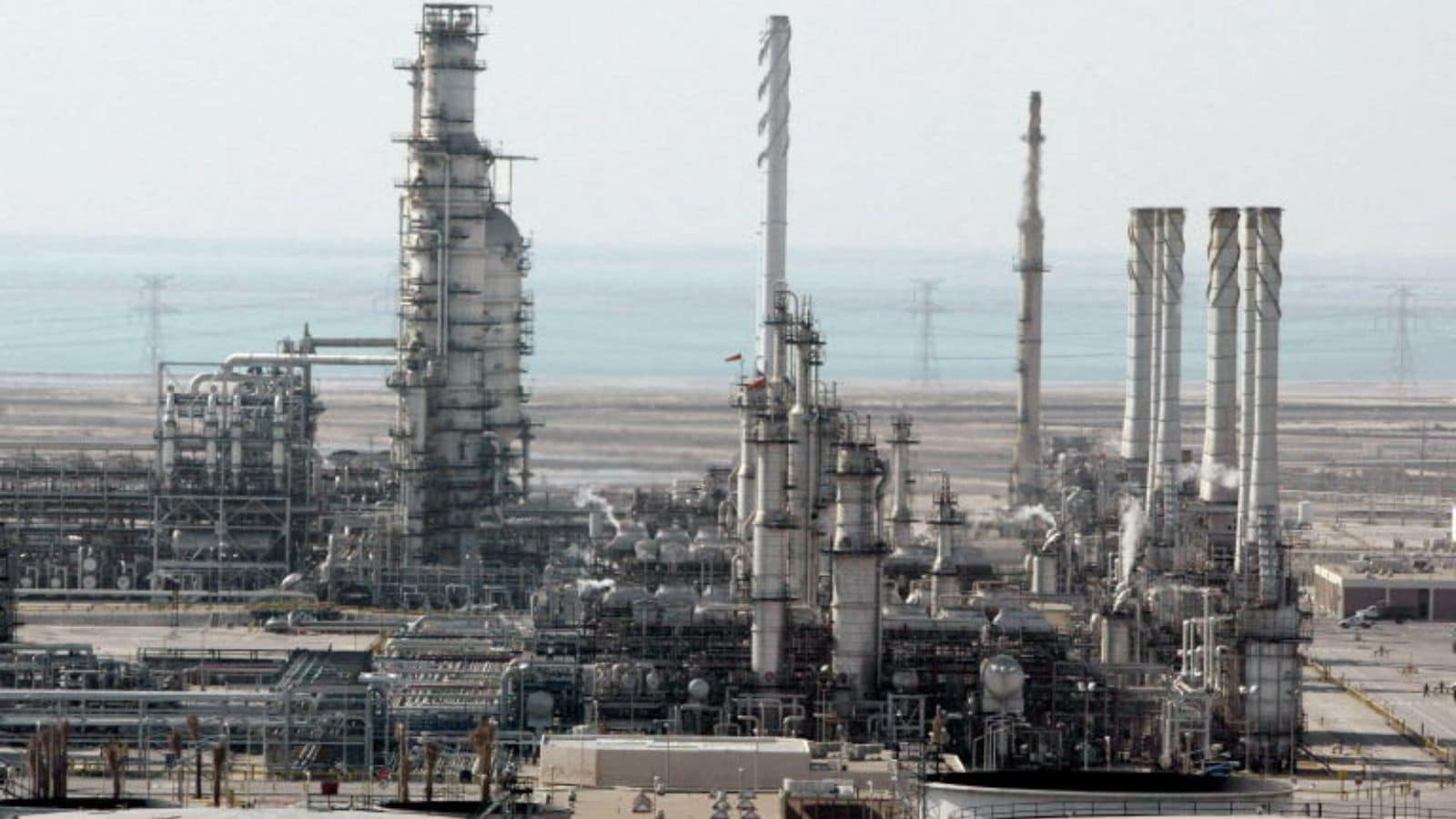
A devastating helicopter crash at Saudi Aramco's largest offshore oil export terminal killed all 14 people on board early Sunday morning. The aircraft, operated by the state-controlled oil giant, went down around 6:00 a.m. local time in Ras Tanura, the high-stakes energy hub on Saudi Arabia's Persian Gulf coast.
The Saudi Ministry of Energy confirmed that everyone on board perished and that all the victims were Saudi nationals. Beyond the tragic loss of life, the timing of this disaster couldn't be worse. It took place exactly as the global energy market watched Ras Tanura for signs of economic recovery following months of brutal regional conflict. If you enjoyed this article, you should read: this related article.
The Worst Possible Timing for Global Energy
You can't look at this crash in a vacuum. To understand why energy traders are sweating right now, you need to look at what happened just 48 hours earlier.
On Friday, Saudi Aramco finally resumed loading crude oil at Ras Tanura. The terminal had been completely dark for nearly four months. A devastating drone attack back in early March, combined with Iran's blockade of the Strait of Hormuz during its war with the US and Israel, forced Saudi Arabia to completely shut down its primary Gulf facilities. The Kingdom resorted to a massive, expensive detour, trucking and piping its crude all the way across the desert to the Red Sea port of Yanbu. For another perspective on this story, refer to the latest coverage from Al Jazeera.
The return of giant supertankers to Ras Tanura on Friday was supposed to signal that the world's largest oil exporter was finally returning to normal business. Then, early Sunday, the helicopter went down.
The incident occurred just three hours after the Islamic Revolutionary Guard Corps (IRGC) launched targeted strikes against US military installations in nearby Kuwait and Bahrain. While the Saudi government hasn't dropped any hints that the crash resulted from a hostile strike, the proximity to active military escalation has left the energy sector on high alert.
Inside the Ras Tanura Hub
Ras Tanura isn't just a random patch of sand. It is the beating heart of Saudi Arabia’s oil infrastructure. The facility features a massive refining complex handling 550,000 barrels per day and hosts the complex system of offshore loading platforms that supply Europe and Asia's biggest economies, including China, Japan, and South Korea.
Aramco relies on a massive aviation department to keep this infrastructure moving. The company operates a corporate fleet of over 60 aircraft, managing transit across more than 300 active heliports throughout the Kingdom. These helicopters act as the vital connective tissue moving engineers, technicians, and specialized crews between onshore headquarters in Dhahran and the sprawling network of offshore oil platforms and supertanker berths jutting into the Gulf.
The Ministry of Energy hasn't revealed the specific mission of the flight or who exactly was on board, choosing to keep those details tight while the official investigation gets under way. Neighbors and regional allies, including the UAE, Qatar, Jordan, and Pakistan, have flooded Riyadh with official messages of support and condolences.
What Happens Next
Saudi aviation authorities face immediate pressure to deliver answers. The investigation needs to isolate whether this was a catastrophic mechanical failure, pilot disorientation in the early dawn hours, or something connected to the surrounding geopolitical friction.
If you are tracking the fallout of this event, watch these three specific areas over the next few days.
- Fleet Groundings: Watch to see if Aramco pauses operations for its specific model of helicopter. A temporary grounding of the corporate fleet will instantly slow down the deployment of offshore technical crews, stalling the delicate ramp-up of Gulf exports.
- Tanker Turnaround Times: Keep an eye on shipping data coming out of the Gulf. If safety protocols slow down the boarding of maritime pilots and loading crews, shipping delays will stack up quickly.
- The Hormuz Risk Premium: Brent Crude prices have already spiked 57% since the war broke out, sitting stubbornly at $113 a barrel. Even with zero evidence of foul play, an unexplained crash right next to the world's most dangerous chokepoint injects fear into the market, which always drives prices up at the pump.