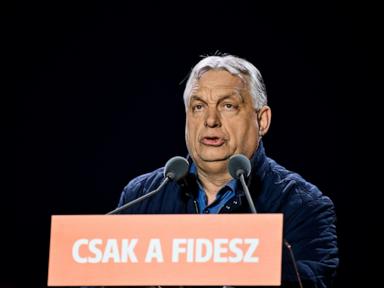
When Hungarian prosecutors raid Orbán party's data center in embezzlement probe operations, you know the political ground has shifted permanently.
It happened on a Tuesday. Unannounced investigators marched right into a Budapest data facility hosting the digital backbone of Fidesz. They wanted everything. Email records, internal communications, private databases, and server backups. Expanding on this topic, you can also read: Why India and North Macedonia Push for Urgent UN Reforms.
For sixteen years, Viktor Orbán ruled Hungary with an iron grip. His loyalists treated state coffers like a private ATM. Fidesz officials operated under a thick blanket of legal immunity, convinced nobody would ever dare check their receipts.
That immunity just evaporated. Experts at NPR have also weighed in on this trend.
The Raid at Telekom Data Center Explained
Investigators from Bács-Kiskun County didn't knock nicely. They showed up at German-owned Magyar Telekom's Budapest facility alongside forensic teams and tax agents. Their goal was simple. Seize and clone the entire digital infrastructure used by Fidesz leadership.
Fidesz lawyers stood by helplessly as authorities imaged servers. Party representatives quickly rushed to social media, claiming there hasn't been a precedent for this since the end of communism in 1990. They called it political persecution.
The reality is far more practical. The raid centers on a massive financial fraud case surrounding Hungary's National Cultural Fund, known locally as the NKA.
For years, the culture fund acted as a cash pipeline for Orbán cronies. Millions of dollars earmarked for arts, theater, and heritage projects went directly to party insiders instead. When auditors finally opened the books after the April election, they discovered over 1,079 illegal grants totaling 17 billion forints. That's roughly 54 million dollars drained from public pockets.
Six people are already sitting in custody. Among them is Balázs Bus, a former high-ranking Fidesz politician and vice president of the fund. Prosecutors needed the raw email databases from party servers to trace where the money went next.
How Péter Magyar Broke the Fidesz Stronghold
To understand how prosecutors gained the courage to storm Fidesz servers, you have to look at what happened three months ago.
In April, Péter Magyar and his Tisza party achieved what once seemed impossible. They swept the national elections, capturing a crushing two-thirds majority in parliament and bringing an end to sixteen years of autocracy. Magyar, a former Fidesz insider who broke ranks to expose regime corruption, promised voters a complete cleanup of state institutions.
He didn't waste time.
Since taking office, the new government has dismantled the legal barriers that Orbán built to protect his allies. Magyar pushed through constitutional amendments to bar long-term autocrats from returning, overhauled biased state broadcasting outlets, and systematically stripped corrupt officials of their immunity.
The strategy isn't just about revenge. It's about basic survival for Hungary's economy.
Brussels froze over 18 billion dollars in EU funding during Orbán's tenure because of systemic corruption and rule-of-law violations. European officials demanded concrete proof that Hungary's justice system could independently prosecute high-level graft. By letting prosecutors target Fidesz leadership and seize their server logs, Magyar is proving to the European Union that the old culture of impunity is officially dead.
The Cultural Fund Scheme that Blew the Cover
The fraud at the National Cultural Fund wasn't subtle. It was glaringly obvious to anyone paying attention.
Aron Molnár, a prominent activist and actor, publicly blew the whistle shortly after the regime collapsed. He detailed how the fund was rigged from the inside. Official grant application rules were routinely ignored. Real artists received rejections, while shell companies and cultural associations linked to Fidesz elites received millions without delivering actual work.
Tax authorities launched a detailed audit shortly after Molnár spoke out. The audit revealed a systematic pattern of criminal mismanagement:
- Grants were approved without required competitive bidding.
- Funds were distributed to newly formed entities with zero track record in cultural work.
- Kickbacks were routed back into political campaign chests through undisclosed side agreements.
When investigators moved to arrest key figures in June, they quickly realized crucial documents had been destroyed at physical offices. That led prosecutors straight to the source. The digital servers.
Digital trails don't burn easily. Every approval email, wire transfer instruction, and internal party memo stored in those Budapest servers is now in the hands of criminal forensic analysts.
Reaction From Fidesz and Far-Right Allies
Predictably, the political fallout has been intense.
Fidesz leaders issued angry statements blaming the new administration for orchestrating a banana republic witch hunt. They claim the prosecution service is being weaponized by Magyar to destroy opposition parties ahead of local elections.
International allies of the old regime chimed in too. French far-right figure Marine Le Pen publicly condemned the server raid on social media, accusing the new Hungarian government of violating democratic norms.
Her commentary misses a crucial distinction. Independent prosecutors in Bács-Kiskun County initiated the probe, not politicians in parliament. In fact, Prime Minister Magyar posted on social media that he learned about the raid from Fidesz's own Facebook panic post.
Under Orbán, the justice ministry regularly intervened in active police investigations to shield allies. Today, prosecutors are simply doing the job they were supposed to do for the last decade and a half.
What Seized Data Center Servers Will Reveal
Data servers hold more than just financial spreadsheets. They store the unvarnished history of how a political machine maintained power.
Forensics teams are currently sifting through terabytes of party communications. They aren't just looking at the 54 million dollar cultural fund scandal. They're searching for structural evidence of how state assets were systematically diverted into private hands across multiple sectors.
The seized databases likely contain:
- Internal logs showing how public media messaging was coordinated directly with party operatives.
- Communications regarding state-funded propaganda campaigns and voter targeting databases.
- Lists of undisclosed donors and dark-money funding sources that kept the regime funded.
- Correspondence detailing how state procurement contracts were awarded to favoured oligarchs.
If prosecutors find evidence of wider financial crimes, this initial raid could trigger dozens of follow-up indictments.
How This Impacts Hungary Position in Europe
For years, Hungary was viewed as the black sheep of the European Union. Orbán regularly vetoed aid packages, undermined NATO initiatives, and maintained cozy ties with foreign autocrats in Moscow.
The rapid dismantling of Orbán's patronage network changes the entire diplomatic equation.
European leaders are watching Budapest closely. The willingness to prosecute former regime officials for embezzlement sends a clear message that Hungary is serious about returning to standard European governance. The unfreezing of billions in EU structural funds will provide an immediate boost to the domestic economy, stabilizing the national currency and funding overdue public infrastructure projects.
It also serves as a sharp warning to autocratic leaders across Eastern Europe. Systemic corruption creates a paper trail, and political power doesn't last forever.
Actions for Tracking International Corruption Investigations
When a long-standing regime falls and investigations begin, keeping track of developments can be overwhelming. If you follow global politics, anti-corruption probes, or European affairs, here is how you can monitor these high-profile legal cases effectively:
- Follow direct statements from regional prosecution offices rather than relying solely on political party press releases.
- Monitor official European Commission rule-of-law updates to see when frozen public funds are cleared for release.
- Check filings from national tax and customs administrations, as financial audits often precede formal criminal indictments by several weeks.
- Track court dockets in Bács-Kiskun and Budapest district courts for updates on bail hearings and upcoming public trials of former state officials.