Paper rustles differently when it carries the weight of a decision.
Consider a kitchen table illuminated by a single warm desk lamp at eleven o'clock at night. The house is entirely silent. Across the scarred wooden surface sits an official mail-in ballot, unfolded and waiting. For millions of voters, this quiet moment represents the modern rhythm of civic participation—a chance to weigh policies, study candidates, and cast a vote without rearranging a workday or waiting in long lines. Meanwhile, you can explore other developments here: Inside the French Tornado Crisis That Exposed Europe's Vulnerable Skies.
Yet, the legal framework governing that piece of paper is rarely static.
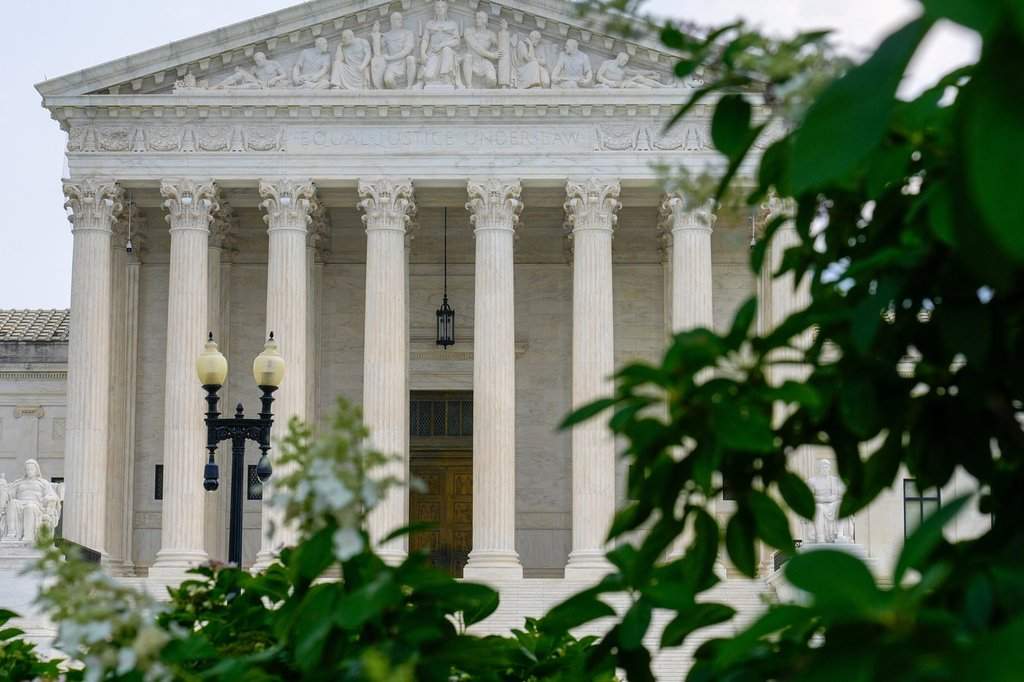
Rules shift. Courtrooms echo with arguments over deadlines, postmarks, and administrative boundaries. When legal battles culminate in high-stakes decisions, the ripples reach far beyond judicial chambers. They land directly on kitchen tables, changing the calculus for how a vote travels from a suburban mailbox or a county drop box to the final certified tally. To explore the bigger picture, check out the recent article by The Guardian.
To understand why these legal dynamics matter, look past the dense legalese and examine the operational realities of election administration. Every state manages its elections through its own distinct system of local authorities, county clerks, and regional election boards. When federal or state courts weigh in on regulations regarding mail voting—such as deadlines for receipt or handling procedures—they alter the landscape for voters and administrators alike.
For the most up-to-date guidance on navigating voting rules, registration status, or local guidelines in your specific area, the most reliable approach is to consult official channels. You can easily locate your regional administration or verify your voter status by visiting the U.S. Election Assistance Commission or your state's official voter portal.
Elections are ultimately human endeavors. They rely on thousands of local workers sorting envelopes, verifying signatures, and managing secure facilities. When the rules governing those processes change, the pressure mounts on both the voter trying to comply and the official ensuring integrity.
The next time election season approaches, the process will look slightly different than it did before. The deadlines may shift. The administrative requirements may tighten. But the underlying desire of citizens to make their voices heard remains constant, echoing quietly beneath the surface of every legal debate.