The rain in Jakarta does not fall; it arrives like a heavy velvet curtain, muffling the roar of ten million motorbikes and turning the asphalt into a black mirror. Inside a cramped workshop on the outskirts of the city, the smell of wet earth mixes with the sharp, sweet tang of freshly cured rubber and leather glue.
Sari wipes the sweat from her forehead with the back of a stained wrist. She has spent the last fourteen years perfecting the stitch on high-end leather handbags. Her hands know the exact tension required so the thread neither snaps under pressure nor puckers the hide. Yet for the past decade, those hands have been tied behind her back by invisible paper walls erected six thousand miles away in Brussels.
To understand what happened this week when negotiators from Indonesia and the European Union finally concluded years of grueling talks on the Comprehensive Economic Partnership Agreement—the IEU-CEPA—you cannot start in a marble conference room. You have to start at Sari’s workbench.
For years, if Sari wanted to sell a single bag directly to a boutique in Paris or Milan, she faced an import tariff of up to twelve percent before the item even touched a European shelf. Meanwhile, a competitor across the border in Vietnam paid zero. That twelve percent was not merely a line item on a customs ledger. It was the difference between Sari hiring two apprentices from her neighborhood or watching them leave for uncertain gig work. It was the quiet suffocation of ambition.
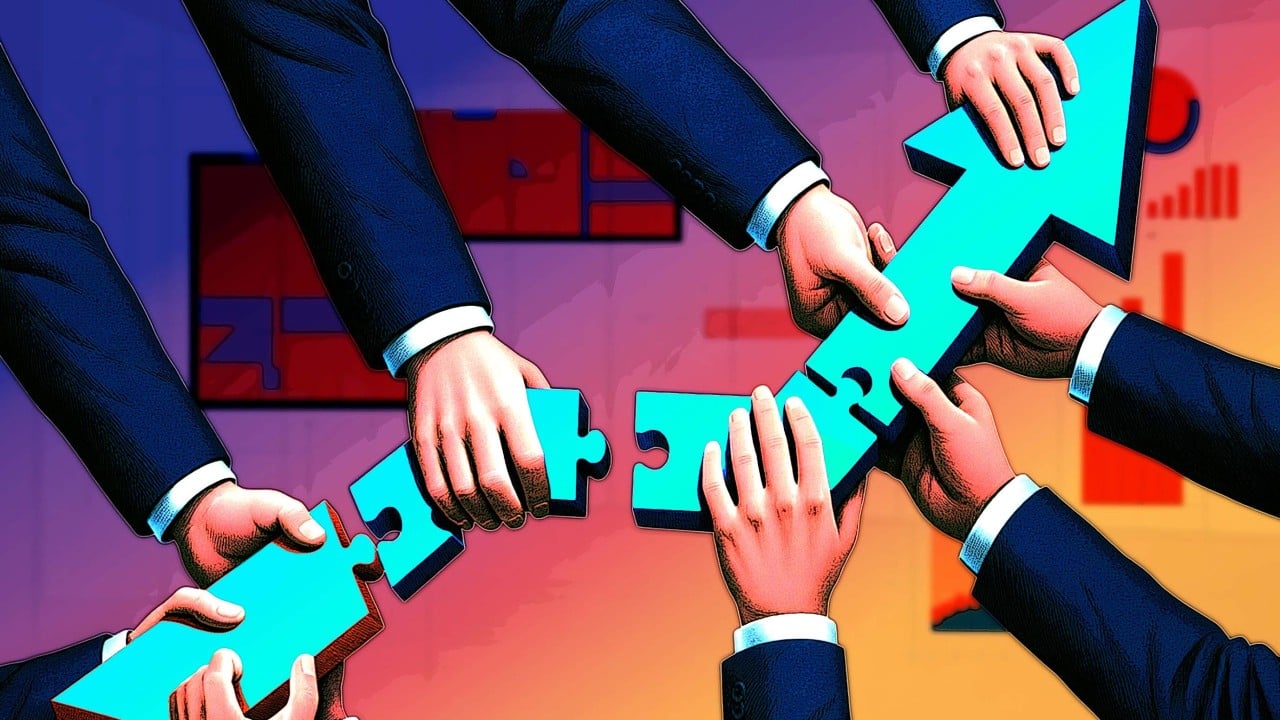
When diplomats finally shook hands on this sweeping trade pact, the headlines were predictably bloodless. They spoke of bilateral trade volumes, tariff elimination schedules, and regulatory convergence. They treated a seismic shift in how seven hundred million people live, work, and build their futures as if it were an accounting footnote.
They missed the entire story.
The Architecture of an Invisible Wall
Trade policy is the ultimate master of disguise. It dresses itself in acronyms and legal jargon so dense that ordinary people tune out, assuming the stakes belong only to shipping magnates and multinational executives. I used to believe that too, back when I spent my early career tracking supply chains through Southeast Asian ports. Watching shipping containers sway from cranes under a blinding tropical sun teaches you a brutal truth: tariffs are just taxes on human effort.
Think of a trade barrier like a tollbooth built in the middle of a narrow bridge. Everyone on both sides wants to cross. The baker on the east bank has warm bread; the carpenter on the west bank has sturdy tables. Neither can afford the toll, so the bread goes stale and the tables gather dust. For nearly ten years, the relationship between the European Union—the world’s largest single market—and Indonesia—Southeast Asia’s largest economy and a nation of over two hundred and eighty million people—functioned like that broken bridge.
Talks first began in 2016. For nine long years, they stalled, sputtered, and nearly collapsed under the weight of mutual suspicion.
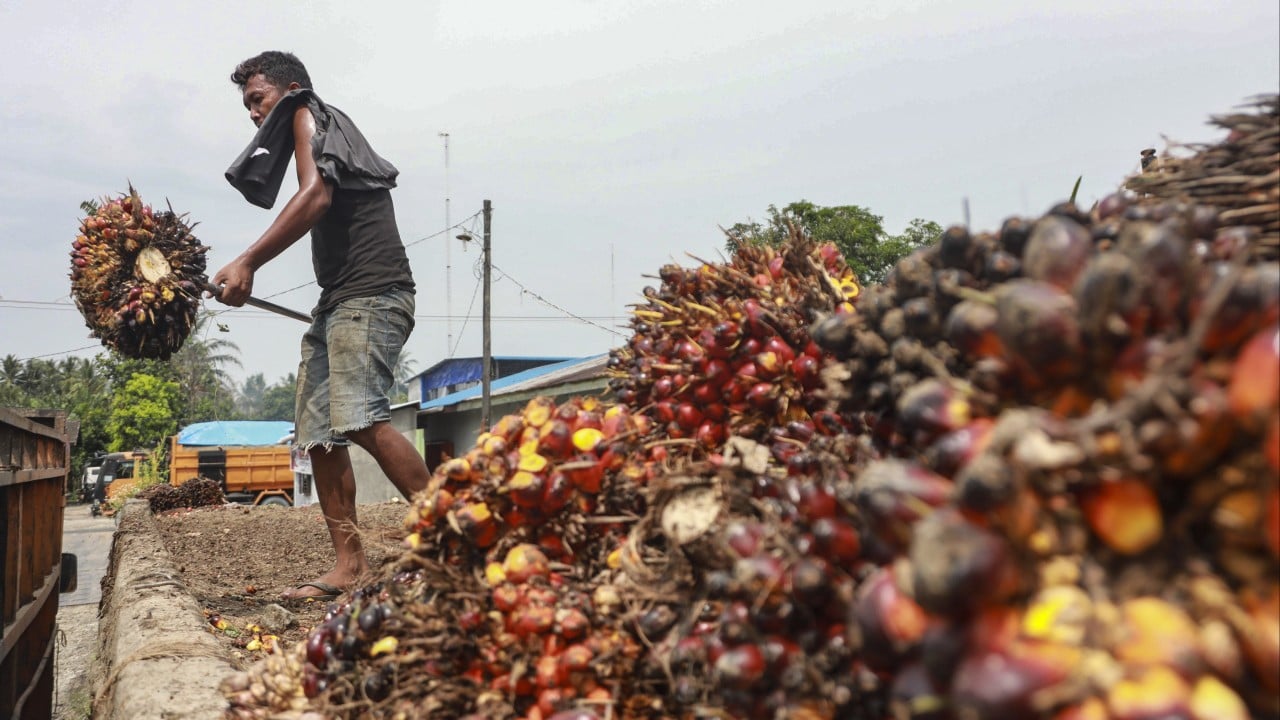
In Brussels, lawmakers worried about deforestation and demanded strict environmental standards on Indonesian commodities, particularly palm oil. In Jakarta, officials bristled at what they saw as green protectionism—rich nations pulling up the economic ladder after having already chopped down their own ancient forests centuries ago. Meanwhile, Indonesia placed strict export bans on raw minerals like nickel, insisting that foreign companies build processing factories on Indonesian soil rather than stripping the earth and shipping the wealth abroad. Europe dragged Indonesia to the World Trade Organization over those nickel restrictions.
It was a deadlock of competing survival instincts. Europe needed secure, sustainable raw materials to power its green transition and reduce its dangerous over-reliance on single-supplier nations. Indonesia needed capital, advanced technology, and open doors for its manufactured goods so it could escape the dreaded middle-income trap before its young population grew old.
Something had to give.
The Battery in Your Pocket and the Mud in Sulawesi
Consider a hypothetical engineer named Lukas, working late in a Stuttgart automotive lab. Lukas is tasked with designing the next generation of electric vehicle batteries that are cheaper, lighter, and free from supply chain bottlenecks. Every time he traces the chemical lineage of the cathode in his prototype, the map leads him back to one place: the red, laterite soil of Sulawesi, Indonesia.
Indonesia holds the world’s largest reserves of nickel, the beating heart of modern lithium-ion batteries. Without Indonesian nickel, Europe’s ambitious pledge to phase out internal combustion engines by 2035 is little more than ink on expensive paper.
Before this agreement, Lukas’s company faced a tangled web of regulatory friction, uncertain investment protections, and geopolitical anxiety. European automakers watched nervously as Chinese firms poured billions into Indonesian smelters, locking up supply contracts years in advance. Europe was arriving late to a party it could not afford to miss.
Now, picture the ground beneath those Sulawesi mines. Heavy excavators claw at earth that, just a few years ago, was covered in dense rainforest canopy. The air tastes of metallic dust and diesel exhaust. Local fishermen along the coast complain that runoff has clouded the turquoise waters where they once hauled in silver-bellied skipjack tuna.
This is the uncomfortable truth that dry trade summaries refuse to touch: progress is messy, and every economic victory carries a shadow.
I will be honest—when I first read the outlines of the sustainability chapters in the new pact, I felt a familiar knot of skepticism in my stomach. History is littered with lofty environmental promises tucked into trade deals that quietly evaporate the moment quarterly profits are threatened. Will a binding clause in a Brussels-Jakarta treaty actually stop a bulldozer in Kalimantan or clean up a tailings pond in Obi Island? Nobody can guarantee that with absolute certainty. Anyone who tells you otherwise is selling something.
Yet the alternative was far worse. Without a formal agreement, Europe had zero legal mechanism to enforce environmental and labor standards inside Indonesia’s booming industrial parks. By bringing Indonesia inside the tent, the EU traded tariff relief for enforceable commitments on deforestation-free supply chains, worker protections, and transparent governance. It is an imperfect bridge, built while both sides are still arguing over the blueprints, but for the first time, traffic can actually move across it.
What Changes When the Tariffs Fall
Strip away the diplomatic theater, and the mechanics of this deal come down to a simple, radical promise: eliminating tariffs on roughly ninety-five percent of all traded goods.
To see what that actually means, look at the everyday objects sitting within arm's reach of you right now.
- The shoes on your floor: Indonesia is one of the world’s premier hubs for footwear and textiles, employing millions of workers—predominantly women—across Java. Until now, Indonesian sneakers and garments entered European ports burdened by duties that made them artificially expensive compared to regional rivals. Dropping those duties immediately unleashes billions of dollars in potential export orders.
- The machinery in Asian factories: German precision lathes, Italian textile looms, and Dutch agricultural tech will now enter Indonesian ports without punitive import taxes, lowering the cost for local factories to modernize.
- The food on European tables: Indonesian coffee, cocoa, spices, and sustainably certified tropical oils gain smoother, cheaper access to half a billion European consumers.
Wait. Look closely at what happens when those numbers scale up.
Bilateral trade between the EU and Indonesia already hovers around thirty billion dollars a year—a shockingly low figure given that their combined populations approach three-quarters of a billion people. Economists project that removing these artificial barriers could boost Indonesian exports to Europe by more than fifty percent over the coming decade, adding billions to Indonesia’s gross domestic product and creating hundreds of thousands of formal jobs.
Numbers like "billions in GDP" are easy to read and impossible to feel. So go back to Sari’s workshop in Jakarta.
When that twelve percent tariff drops to zero, Sari’s handmade leather bags suddenly become price-competitive with workshops in Portugal and Vietnam. A buyer in Amsterdam who previously scrolled past her catalog because the customs math didn't work now places a trial order for five hundred units.
Sari does not buy a yacht. She buys three industrial sewing machines. She hires Budi, a twenty-two-year-old who has been driving a delivery scooter twelve hours a day in blinding smog, and teaches him how to cut full-grain hide without wasting a square inch. She pays for her daughter’s university tuition without borrowing from predatory neighborhood lenders.
That is the real mathematics of trade. It is not measured in basis points; it is measured in the quiet relief of a parent sleeping through the night because the ledger finally balances.
The Geopolitical Chessboard Nobody Mentions
There is another reason this deal happened now, after nearly a decade of diplomatic frost. The world outside the negotiating room grew suddenly, terrifyingly cold.
For thirty years, global commerce operated on a comforting illusion: that supply chains would always remain open, that borders would keep dissolving, and that politics would politely step aside for profit. That era is dead. Wars in Eastern Europe, shipping chokepoints under missile fire in the Red Sea, and an escalating tariff war between Washington and Beijing have shattered the old certainties.
Every major economy is scrambling to de-risk—a polite diplomatic euphemism for making sure no single superpower can hold your economy hostage.
For the European Union, signing this partnership with Indonesia is a masterstroke of strategic survival. It anchors Europe firmly inside the Indo-Pacific, the fastest-growing economic region on earth, without forcing Brussels to choose sides in a binary superpower conflict. It secures critical minerals, opens a massive consumer market for European pharmaceuticals, aerospace, and green technology, and proves that Europe can still shape global trade rules through partnership rather than coercion.
For Indonesia, the deal is the ultimate validation of its centuries-old foreign policy doctrine: bebas aktif—independent and active. Jakarta refuses to be a vassal to Washington, Beijing, or Brussels. By locking in preferential access to the European single market while simultaneously welcoming investment from Asia and North America, Indonesia turns its geography and its resources into leverage. It becomes indispensable to everyone and beholden to no one.
The Hard Road After the Applause
Of course, signing a trade agreement is a bit like signing a marriage license. The ceremony is lovely, the photographs look dignified, and the real work begins the morning after when someone has to take out the trash.
Before a single tariff drops, the legal text must be translated into twenty-four official EU languages, scrubbed by lawyers, and ratified by both the European Parliament and Indonesia’s legislature. In Europe, powerful agricultural lobbies and vocal environmental lawmakers will scrutinize every comma, ready to block ratification if they suspect deforestation rules have been watered down. In Jakarta, domestic manufacturers who have grown comfortable behind protective walls will lobby fiercely against sudden competition from sleek European imports.
There is also a quieter, more personal hurdle that policy papers rarely acknowledge: readiness.
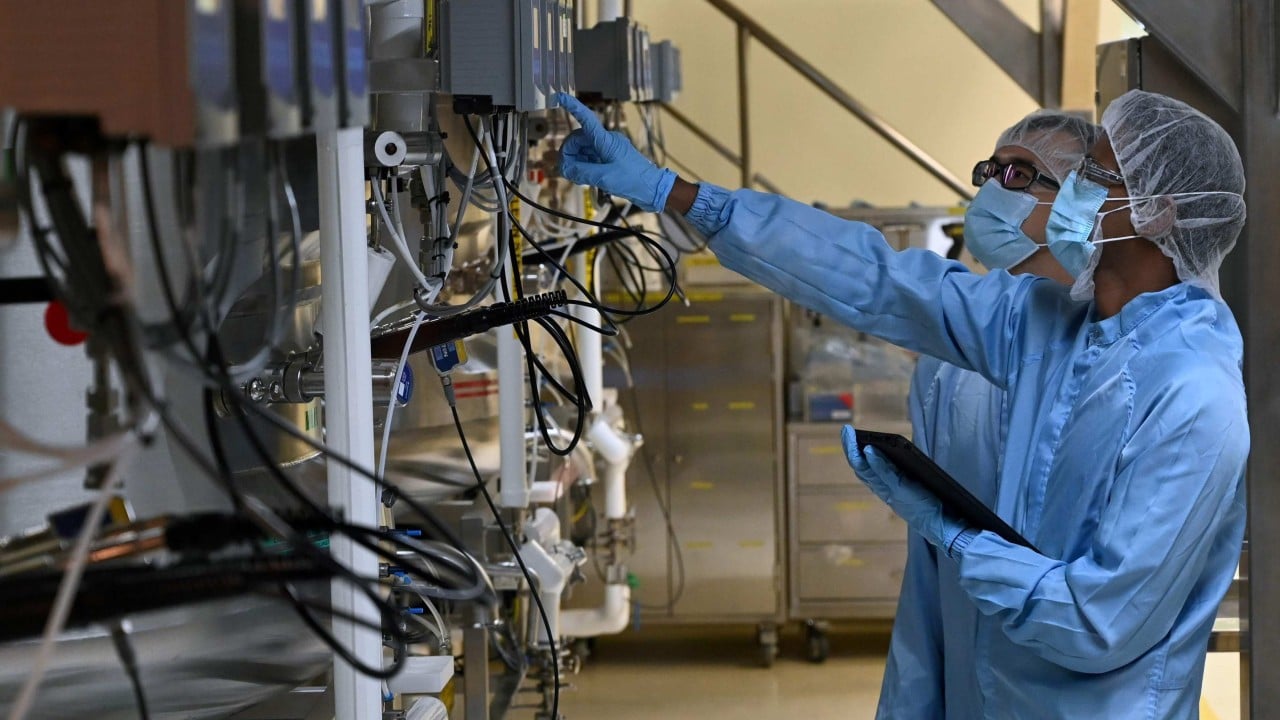
Removing a tariff does not automatically put an Indonesian product onto a shelf in Munich. European consumers and regulators demand rigorous traceability, carbon footprint audits, chemical safety certifications, and packaging standards that can overwhelm a small family-owned business in Surabaya or Medan. Without massive investment in training, testing labs, and digital infrastructure, the biggest rewards of this treaty risk flowing exclusively to giant conglomerates that already have armies of compliance lawyers.
If Sari does not know how to prove that the dye used on her leather meets strict European chemical regulations, zero tariffs will not save her shipment from being turned around at the port of Rotterdam.
This is where the true test of leadership begins. Governments can tear down the tollbooths on the bridge, but they also have to teach ordinary citizens how to drive across it safely.
The Stitch That Holds
Late at night in Jakarta, the rain finally slows to a soft drizzle. The neon signs reflecting in the street puddles flicker like distant lighthouses.
Sari switches off the overhead fluorescent tube above her cutting table, leaving only the warm yellow pool of a single task lamp. On the wooden surface before her lies a freshly finished satchel—deep chestnut leather, brass hardware, every stitch aligned with surgical precision. Tomorrow morning, she will photograph it, upload the specifications to a wholesale portal, and send a sample box toward an address in Antwerp.
Six thousand miles away, in a glass-walled office overlooking a rainy European square, a trade official packs a worn leather briefcase, exhausted after years of late-night compromises over wording that most citizens will never read. Neither of them will ever meet. Neither knows the other’s name.
Yet across oceans, time zones, and centuries of complicated history, their lives are now stitched together by a single, fragile thread of mutual trust—and the quiet, stubborn hope that when walls come down, something better rises in their place.